
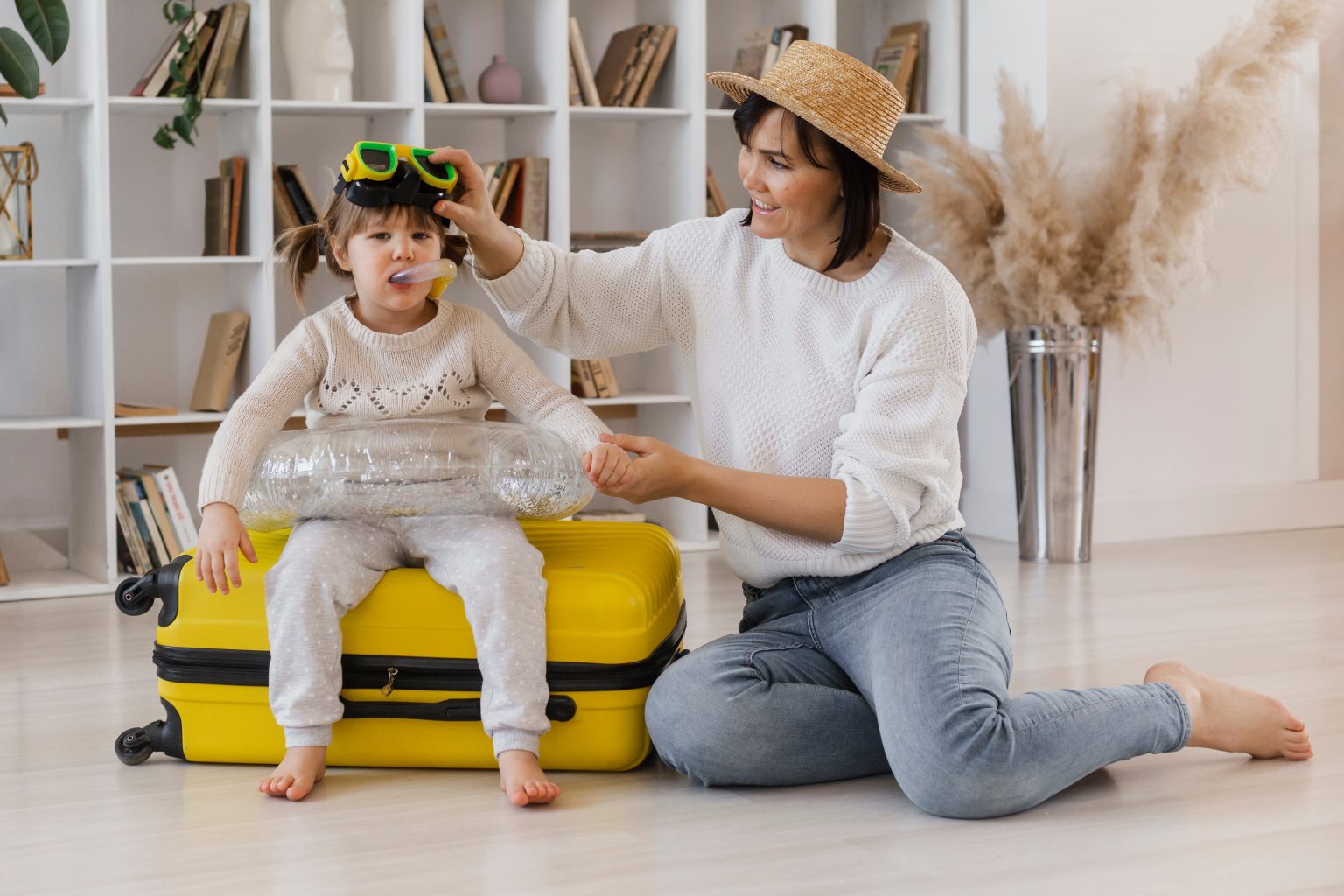
Packing for a family trip to Mexico is not simply a matter of filling suitcases with swimsuits and sunscreen. For parents and caregivers, it is a process shaped by climate, destination, and the evolving realities of travel infrastructure across the country. As family tourism in Mexico has grown more sophisticated, so too have the resources and strategies available to help families prepare for a trip that is both enjoyable and manageable. This article explains how to approach packing for Mexico with children—what to expect from the climate, how to plan for different regions and seasons, and what the latest trends in Mexican tourism mean for families today.
- Understanding Mexico’s Climate: Regional and Seasonal Realities
- What to Pack: Essentials for Comfort, Safety, and Flexibility
- Planning for Different Destinations: Beach, City, and Beyond
- The Evolution of Family Travel Infrastructure in Mexico
- Daily Pacing and Transport: Setting Realistic Expectations
- Budgeting and the Business of Family Travel
- Trends and Human Stories: The Rise of Multigenerational and Intentional Travel
- Packing as Preparation, Not Perfection
- Further Reading and Resources
Understanding Mexico’s Climate: Regional and Seasonal Realities
Mexico’s climate is as diverse as its geography. While many travelers picture endless beaches and tropical heat, the reality is more nuanced. Coastal destinations like Cancun, Playa del Carmen, and Los Cabos offer warm, humid weather year-round, but inland cities such as Mexico City, Guanajuato, and San Miguel de Allende can be surprisingly cool, especially at night or during the winter months.
Rainy seasons also vary by region. The Yucatán Peninsula typically experiences daily afternoon showers from June through October, while central and northern regions may see rain concentrated in the summer. Packing for Mexico with kids means checking the forecast for your specific destination and season, and planning for both heat and the possibility of rain or cooler evenings.
Let’s quickly consider all the variables that have to be taken into play when figuring out what to pack for Mexico with kids: climate, location, activities. Ask yourself the following questions: Where are you going in Mexico and in which season are you travelling? It may be hot on the Yucatán Peninsula but that doesn’t mean Mexico City, San Cristobal de las Casas or Chihuahua are hot. Packing for San Miguel de Allende over Christmas is an entirely different set of clothes than is required for an all-inclusive in Cancun or Cabo San Lucas.
MexicoCassie.com
What to Pack: Essentials for Comfort, Safety, and Flexibility
The foundation of any family packing list for Mexico should be comfort and protection from the elements. Lightweight, breathable clothing is essential for most destinations, but layering is equally important for higher elevations or air-conditioned spaces. For beach trips, pack at least two swimsuits per child, rash guards with UPF protection, wide-brimmed hats, and water shoes for rocky or hot sand.
Sun protection is non-negotiable. High-SPF, kid-friendly sunscreen, sunglasses with UV protection, and after-sun lotion should be packed in advance, as these items are often more expensive in tourist areas. For families visiting during the rainy season, compact umbrellas or lightweight rain jackets are practical additions.
A basic health kit is also recommended, including digital thermometers, antihistamines, insect repellent (preferably DEET-free for children), rehydration salts, and any prescription medications in original containers. For younger children, familiar comfort items such as a favorite stuffed animal or bedtime book can ease transitions.
Planning for Different Destinations: Beach, City, and Beyond
Mexico’s family travel infrastructure has expanded well beyond the classic all-inclusive resort. Today, families can choose from boutique hotels, eco-lodges, and vacation rentals in both urban and rural settings. Each type of destination presents unique packing and planning considerations.
- Beach Resorts: Focus on swimwear, sun protection, and casual clothing. Many resorts offer laundry services, allowing families to pack lighter.
- Colonial Cities and Highlands: Include layers for cooler mornings and evenings, comfortable walking shoes, and sun hats for daytime excursions.
- Nature and Adventure Destinations: Pack insect repellent, sturdy shoes, and quick-drying clothing. Consider a dry bag for electronics and a compact first aid kit.
The growth of community ecotourism and improved accessibility means families can now explore regions that were once considered challenging with children. However, it remains important to research local infrastructure, especially if traveling with infants or children with special needs.
The Evolution of Family Travel Infrastructure in Mexico
Since the 1990s, Mexico’s approach to family tourism has shifted from a focus on mass-market coastal resorts to a more diverse and resilient system. This evolution has been driven by both demand and necessity. Environmental challenges, such as air quality in urban centers and the need for sustainable tourism, have led to new policies and offerings that benefit families.
Infrastructure improvements—such as better roads, signage, and disaster planning—have made travel safer and more accessible. The rise of online planning resources, expat communities, and local networks has empowered parents to make informed decisions about destinations, healthcare, and daily logistics.
| Aspect | 1990s | 2020s |
|---|---|---|
| Main Destinations | Large coastal resorts | Diverse, boutique, low-density options |
| Climate Adaptation | Limited focus | Air quality plans, eco-tourism, resiliency |
| Accessibility | Basic infrastructure | Improved roads, disaster planning, signage |
| Parent Resources | Limited, resort-focused | Expansive, online, community-driven |
Daily Pacing and Transport: Setting Realistic Expectations
One of the most common sources of stress for families traveling in Mexico is the mismatch between expectations and reality. Distances between attractions can be greater than anticipated, and travel times may be affected by traffic, weather, or local events. For this reason, it is wise to plan for one main activity per day, with ample downtime for rest, meals, and unstructured play.
Transport options vary by region. In major cities, public transportation is generally reliable, but families may prefer taxis or private transfers for convenience and safety. In rural or coastal areas, renting a car can provide flexibility, but it is important to check for child seat availability and road conditions in advance.
One of the quickest ways to wreck a shared holiday is to overprogram it. AARP’s specialists say one activity a day is often enough, especially when the group includes little ones, older travelers, or relatives with very different habits. The same guidance also argues that alone time is healthy, not antisocial, because people need space to recharge.
AARP, 2026 Family Travel Survey
Budgeting and the Business of Family Travel
Affordability remains a top concern for families planning trips to Mexico. According to the 2025 U.S. Family Travel Survey, 73% of parents cite cost as the primary challenge. The expansion of accommodation types—from all-inclusive resorts to vacation rentals and boutique hotels—has created more options at different price points. However, it is important to budget for extras such as tips, excursions, and unexpected expenses.
Travel experts recommend starting with an honest conversation about budget and expectations, especially for multigenerational trips. Flexibility in destination and timing can help families find options that fit their needs without unnecessary stress.
For more on budgeting and planning multigenerational trips, see: Travel Experts Share How To Navigate Taking a Multigenerational Trip
Trends and Human Stories: The Rise of Multigenerational and Intentional Travel
Recent years have seen a marked increase in multigenerational travel, with nearly 40% of family vacations now including grandparents, parents, and children. This trend has influenced the design of accommodations, activities, and planning resources, with a focus on flexibility, privacy, and accessibility.
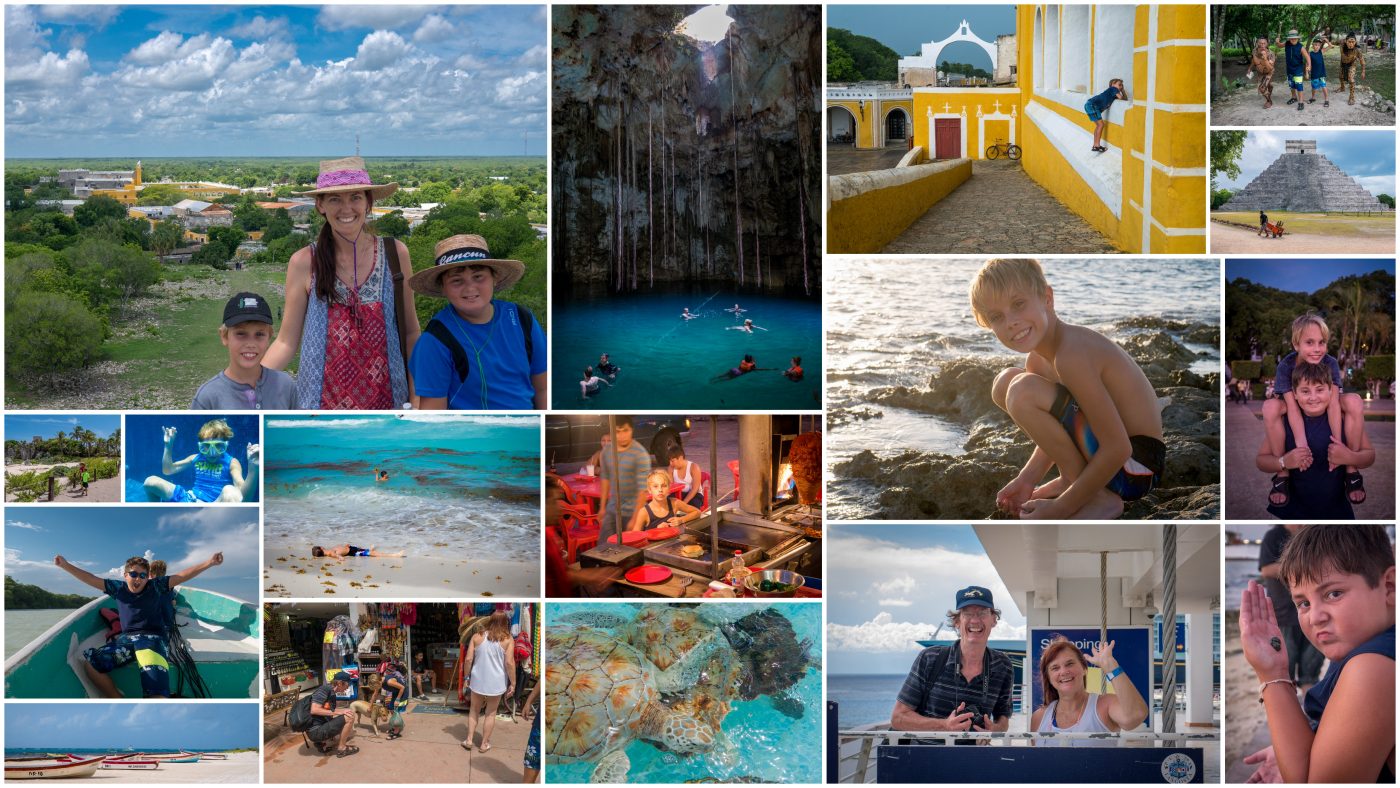
The shift toward slower, more intentional travel is also evident. Families are choosing destinations that allow for both activity and relaxation, and are prioritizing experiences that foster connection and learning. The growth of educational travel, eco-tourism, and community-based experiences reflects a broader desire for meaningful, manageable trips.
Packing as Preparation, Not Perfection
Packing for Mexico with kids is ultimately an exercise in preparation, not perfection. By understanding the climate, researching destinations, and planning for the realities of travel with children, families can reduce uncertainty and create the conditions for a rewarding trip. The evolution of Mexico’s family travel infrastructure, combined with practical planning resources, means that families today have more options—and more support—than ever before.
Further Reading and Resources
- The Ultimate Packing Guide for Traveling to Cancun with Kids
- Practical Advice on What to Pack for Mexico with Kids
- Your expert guide: what to pack for Mexico with kids
- Travel Experts Share How To Navigate Taking a Multigenerational Trip
By approaching packing and planning with clarity and intention, families can experience the warmth, diversity, and hospitality that make Mexico a truly family-friendly destination.