
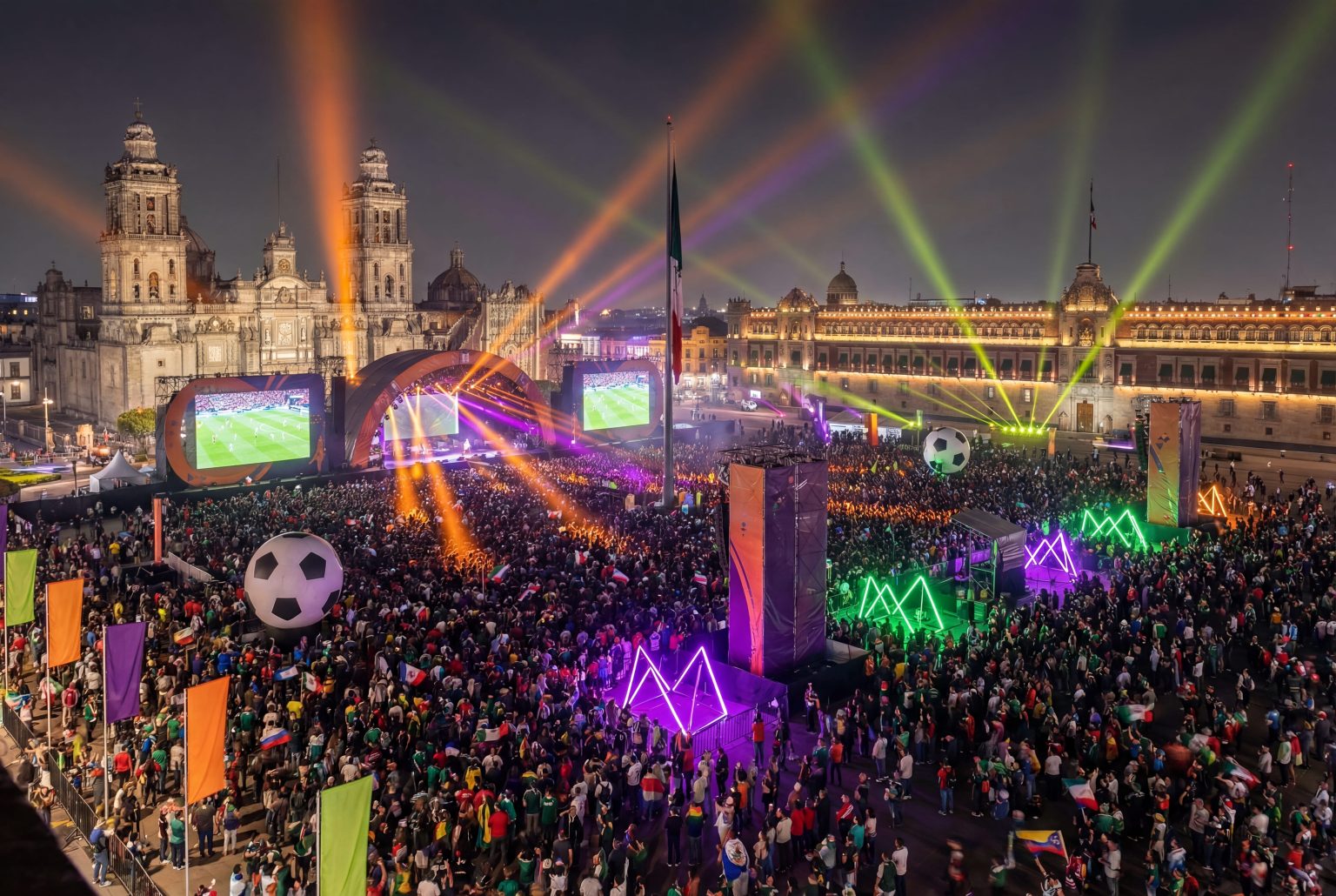
If you close your eyes for a moment, can you hear the distant strum of a mariachi, smell the sizzle of tacos al pastor, or feel the sun warming your skin as you step onto a cobblestone street in Oaxaca? In 2026, Mexico’s tourism story isn’t just bigger—it’s bolder, more inclusive, and more transformative than ever before. This year, the world isn’t just watching Mexico; it’s flocking here, drawn by a magnetic blend of tradition, innovation, and a sense of belonging that feels as comforting as abuela’s mole on a rainy afternoon.
- The Numbers Don’t Lie: A Record-Breaking Year
- The World Cup Effect: More Than Just a Game
- Beyond the Beach: Culture, Wine, and the Rise of the “Santorini of Mexico”
- Human Connections: The Heartbeat of Modern Travel
- Infrastructure and Innovation: Building for the Future
- Sustainability and Community: The New Gold Standard
- The Human Side: Stories That Stay With You
- Hasta la Vista
The Numbers Don’t Lie: A Record-Breaking Year
Let’s start with the facts—because, as any good traveler knows, you need a map before you wander. In 2025, Mexico welcomed a staggering 47.8 million international tourists, a 6% jump from the previous year, and total international visitors soared to 98.2 million. Tourism revenue? Over $34.99 billion, up 6.2%. According to the latest industry reports, Mexico is now operating 6% above its pre-pandemic tourism levels, outpacing even the United States and Canada in recovery and growth. (source)
But numbers alone don’t capture the heartbeat of this moment. What makes 2026 feel so different—so much bigger—is the convergence of global events, local innovation, and a renewed sense of purpose in how Mexico welcomes the world.
The World Cup Effect: More Than Just a Game
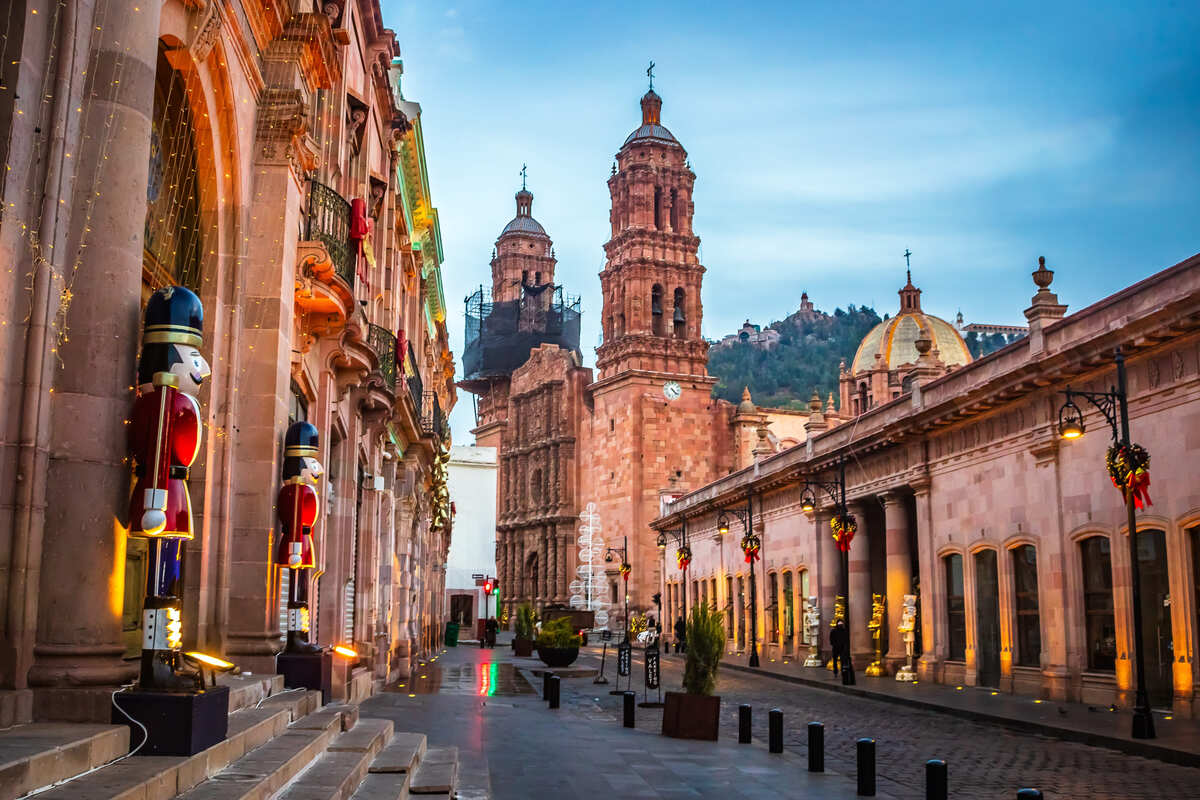
If you’ve ever seen a city light up for a fútbol match, you know the energy is contagious. This year, Mexico is co-hosting the FIFA World Cup, with matches in Mexico City, Guadalajara, and Monterrey. The anticipation is electric: officials expect some 5 million international tourists to descend on the host cities, bringing with them not just cheers and jerseys, but a hunger for culture, cuisine, and connection. (source)
But the World Cup is more than a sporting event—it’s a catalyst. As President Claudia Sheinbaum put it:
Mexico’s cultural and natural attractions, the political transformation the country is undergoing, and the work of the Tourism Ministry are contributing to the country’s growing tourism industry. And the numbers will most likely grow this year, because we also have the World Cup, which will bring in millions of visitors.
President Claudia Sheinbaum
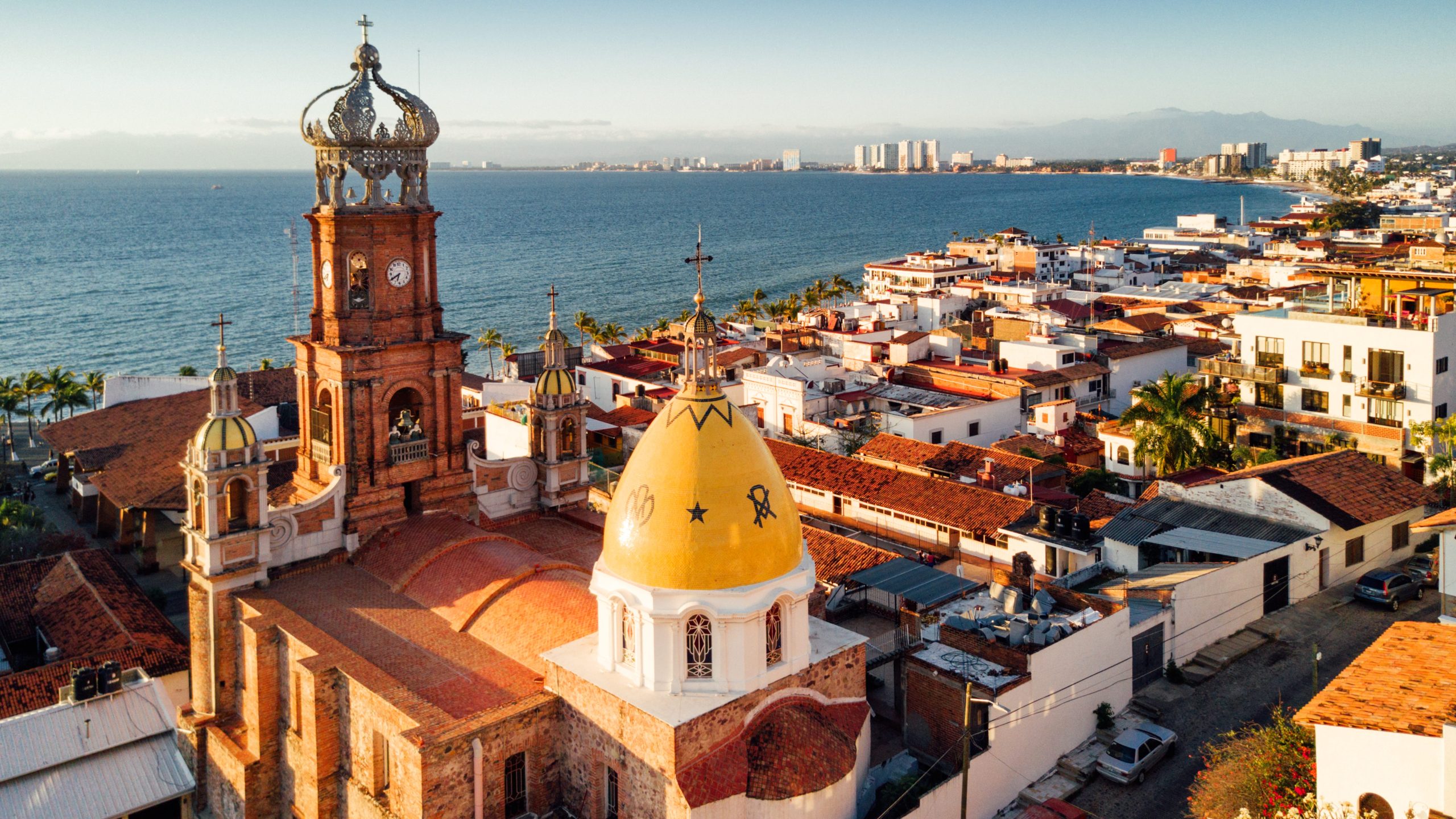
The ripple effect is real: new air routes (32 domestic, 22 international), expanded airports in Puerto Vallarta and Cancún, and a wave of hotel openings from Los Cabos to the Riviera Maya. (source)
Beyond the Beach: Culture, Wine, and the Rise of the “Santorini of Mexico”
Yes, the beaches are still irresistible—Cancún, Los Cabos, and Puerto Vallarta are seeing record demand, with occupancy rates holding strong even after peak seasons. But savvy travelers in 2026 are looking for more than a sun lounger and a margarita. They want stories, flavors, and the kind of memories you can’t buy in a souvenir shop.
Take Manzanillo, dubbed the “Santorini of Mexico” for its whitewashed villas and Mediterranean vibes. Once a quiet port, it’s now one of the fastest-rising coastal destinations, beloved by expats and travelers seeking authenticity and value. Hotel occupancy is up 4.67% year-on-year, and the average week-long stay costs a wallet-friendly $640—proof that you don’t need to break the bank for a slice of paradise. (source)
Or consider Valle de Guadalupe, Mexico’s answer to Napa, where boutique wineries and farm-to-table restaurants are drawing oenophiles from around the globe. As one local winemaker told me,
We’re not just making wine; we’re telling the story of our land, our families, and our future.
Local Winemaker
Human Connections: The Heartbeat of Modern Travel
What truly sets Mexico apart in 2026 is the way it invites travelers to become part of the story. Forget the checklist tourism of the past—today’s visitors want to cook with Oaxacan grandmothers, fish with Ensenada’s tight-knit communities, and build altars for Día de Muertos alongside local families. (source)
This shift toward immersive, people-first experiences is everywhere. In Mexico City, you can explore ancient chinampas (floating gardens) with Arca Tierra, or take a private, after-hours tour of the Templo Mayor with archaeologists. In San Miguel de Allende, artists open their homes for creative exchanges that turn strangers into friends.
Infrastructure and Innovation: Building for the Future
Mexico’s tourism boom isn’t just about more visitors—it’s about smarter, more sustainable growth. The government is investing $36.7 billion in nearly 700 projects across 30 states, from airport expansions to eco-resorts and digital booking platforms.
Airlines are adding new routes, and digital tools are making it easier than ever to plan, book, and personalize your journey. Even the legendary Chepe Express train, which winds through the Copper Canyon, is drawing a new generation of travelers eager to experience Mexico’s natural and cultural diversity. (source)
Here’s a quick snapshot of the trends shaping 2026:
| Trend | 2025 Data/Change | 2026 Outlook |
|---|---|---|
| International Arrivals | 47.8M (+6% YoY) | Record-breaking, World Cup boost |
| Tourism Revenue | $34.99B (+6.2% YoY) | Rising, diversified sources |
| Hotel Occupancy (Manzanillo) | +4.67% YoY | Growing, value-driven |
| Domestic Tourism Share | 55.64% of hotel check-ins | Stable, resilient |
| New Air Routes | 54 (32 domestic, 22 intl) | Expanded connectivity |
| Major Events | World Cup, Tianguis | Global spotlight |
Sustainability and Community: The New Gold Standard
If there’s one word on everyone’s lips in 2026, it’s sustainability. From eco-resorts in the Riviera Maya to community-led tourism in Chiapas, Mexico is proving that growth and responsibility can go hand in hand. Protected natural parks, marine reserves, and indigenous-led experiences are not just trends—they’re the future.
As Tourism Minister Josefina Rodríguez Zamora explained:
Mexico’s tourism growth outpaced both the global average and regional trends. Our focus is on inclusive, sustainable development that benefits local communities and preserves our natural heritage.
Tourism Minister Josefina Rodríguez Zamora
Travelers are responding in kind, choosing eco-friendly options, supporting local artisans, and seeking out experiences that leave a positive footprint. The result? A tourism model that uplifts families, empowers communities, and ensures that Mexico’s treasures endure for generations.
The Human Side: Stories That Stay With You
Let’s not forget the stories that statistics can’t tell. Like the Rarámuri girl guiding hikers through the Copper Canyon, or the Canadian family who, after a single Day of the Dead celebration in Oaxaca, decided to return every year. Or the Los Cabos fisherman who now teaches visitors how to cook the catch of the day, Baja-style, sharing not just food but a way of life.
And yes, there’s even a little friendly rivalry in the air. As Los Cabos tourism rep Rodrigo Esponda quipped at a recent event:
Every Canadian is worth two Americans.
Rodrigo Esponda, Los Cabos Tourism Rep
He was talking about trip duration and spending, but the real message is clear: Mexico is for everyone, and everyone is welcome to stay a little longer.
Hasta la Vista
In 2026, Mexico’s tourism story is bigger because it’s more human, more connected, and more full of possibility than ever before. Whether you’re chasing the World Cup, sipping wine in Baja, or building an altar in a mountain village, you’re not just a visitor—you’re part of the story.

Ready to dive deeper? Explore these links for more inspiration and practical tips:
- Tourism to Mexico has more than doubled in the last 25 years
- Inside Mexico’s Next Chapter: Travel Trends We’re Bringing To Life In 2026
- WHY 2026 IS SHAPING UP TO BE A DEFINING YEAR FOR MEXICO
- Mexico Travel Surge 2026 Drives Record Visitor Numbers
- Mexico’s Tourism Boom: International Travel Could Double by 2050
- The ‘Santorini’ Of Mexico Is Surging In Popularity For 2026
- Chepe Express: A train journey through Mexico’s natural diversity
- What Mexico’s Tourism Officials Offensive-Sounding Every Canadian Is Worth Two Americans Statement Really Means
So, ¿listos? The next chapter of Mexico’s tourism story is waiting for you—one taco, one sunset, one unforgettable encounter at a time.