
Family travel in Mexico is rarely a one-size-fits-all experience. From the lush, humid coasts of the Yucatán to the arid landscapes of Baja California, each region offers distinct rhythms, challenges, and opportunities for families. Understanding these differences is essential for parents and caregivers who want to plan trips that are enjoyable, manageable, and meaningful for children of all ages. This article explores why family trips in Mexico feel different from one region to another, drawing on historical context, current trends, and practical planning insights.
- Regional Diversity: Geography Shapes the Family Experience
- Infrastructure and Accessibility: How Regions Have Evolved for Families
- Cultural Differences: Social Rhythms and Family Life
- Seasonality and Timing: When You Go Matters
- Daily Pacing and Logistics: Matching Destinations to Children’s Needs
- Economic and Business Trends: The Growth of Family Tourism
- Trade-Offs and Preparation: What Parents Should Know
- Planning Resources and Practical Links
- Conclusion
Regional Diversity: Geography Shapes the Family Experience
Mexico’s vast geography is the foundation for its regional differences. The Caribbean coast, Pacific beaches, central highlands, and northern deserts each create unique environments that affect how families travel and what they can expect.
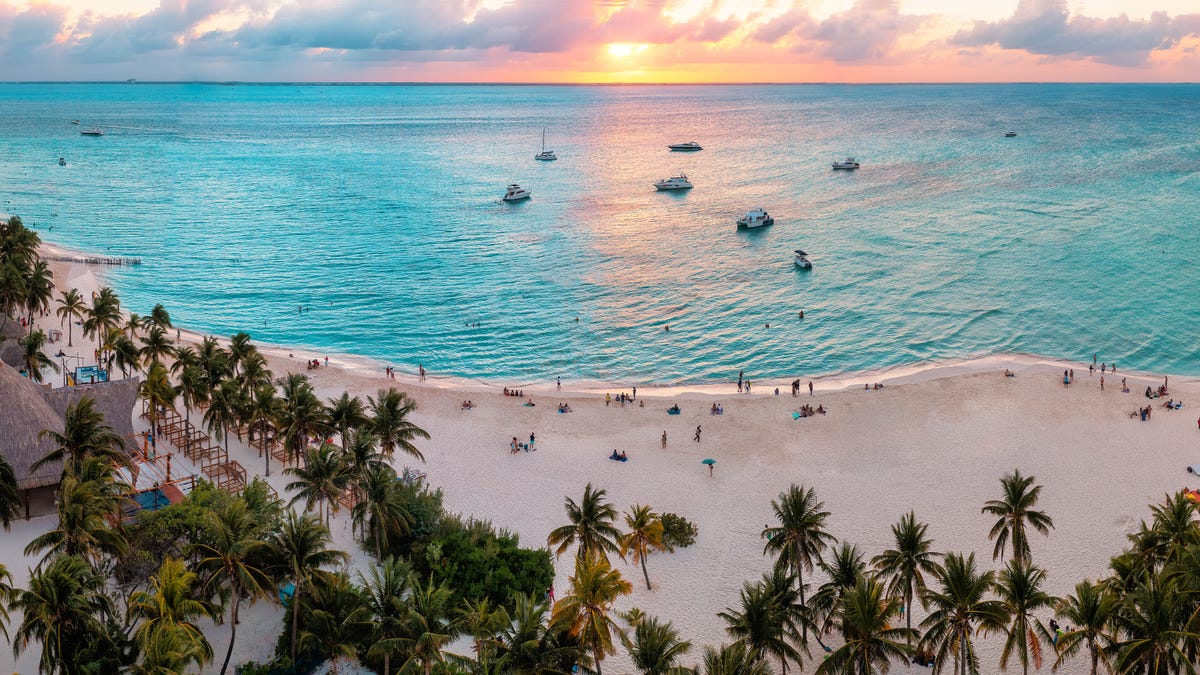
For example, the Yucatán Peninsula is known for its resort infrastructure, white sand beaches, and family-friendly attractions like eco-parks and cenotes. In contrast, Baja California offers dramatic desert-meets-ocean scenery, with fewer swimmable beaches but more opportunities for adventure and wildlife encounters. Central Mexico’s colonial cities, such as Guanajuato and San Miguel de Allende, provide walkable plazas, cultural festivals, and a slower pace that can be ideal for families seeking educational experiences.
:max_bytes(150000):strip_icc()/TAL-paradisus-cancun-FAMALLINCLMX0424-d40780e9fffa424694d5b7dabdc2c822.jpg)
The sheer size of the country has really made each of our trips feel unique, and we always make sure to travel to a new region.
Alberta Mamas
Infrastructure and Accessibility: How Regions Have Evolved for Families
Since the 1990s, Mexico’s family travel infrastructure has changed significantly. Major airports and resorts have become more accessible, with improved barrier-free navigation and family-oriented services. New highways and transport options have opened up less-visited regions, making it easier for families to explore beyond the main tourist corridors.
Safety improvements, especially in cities like Mexico City, have encouraged families to visit urban destinations that were once overlooked. Services such as Uber and enhanced public transportation have made it easier for families to move around safely and efficiently.
Mexico City, in particular, has seen a tremendous improvement in safety over the last decade, with increased police presence, enhanced surveillance, and neighborhood-specific security measures. This has created safer environments for both residents and visitors.
However, accessibility and infrastructure still vary widely by region. While the Yucatán and Riviera Maya are designed for high volumes of international tourists, with all-inclusive resorts and English-speaking staff, smaller towns and interior regions may require more preparation and flexibility, especially when traveling with young children or family members with special needs.
Cultural Differences: Social Rhythms and Family Life
Cultural expectations and social rhythms also differ from one region to another. In many parts of Mexico, family and community life are central, and social gatherings often revolve around shared meals and group activities. This can be a welcome change for families used to more individualistic routines, but it may also require adjustment.
In Mexico, eating dinner with each other is just an average night. If you stay with a family in Mexico, or are hosted by locals, you may feel like you aren’t afforded your usual amount of personal time.
Medium
In tourist-heavy regions, such as Cancun or Los Cabos, the pace is often dictated by resort schedules and organized excursions. In contrast, interior cities and smaller towns may offer more opportunities for spontaneous interaction, local festivals, and slower, more immersive experiences.
Seasonality and Timing: When You Go Matters
The timing of your trip can dramatically affect your family’s experience. Peak seasons—such as winter holidays and spring break—bring larger crowds, higher prices, and more structured activities, especially in resort areas. Off-peak travel can offer quieter beaches, more availability in hotels, and a more relaxed atmosphere, but may also coincide with hotter weather or seasonal closures.
School holiday patterns, both in Mexico and abroad, shape demand and availability. Families with flexibility in their schedules can often find better value and less crowded conditions by traveling outside major holiday periods.
Daily Pacing and Logistics: Matching Destinations to Children’s Needs
One of the most important factors in family travel is daily pacing. Regions with extensive resort infrastructure, like the Riviera Maya, offer convenience and predictability—meals, activities, and childcare are often included, reducing the need for daily planning. However, these environments can sometimes feel isolating or repetitive, especially for families who want to explore local culture.
In contrast, destinations like Oaxaca, Guanajuato, or San Cristóbal de las Casas require more hands-on planning. Walking distances, climate, and the availability of child-friendly activities vary widely. Parents should consider the energy levels and attention spans of their children, as well as the need for downtime and routine.
We’re trying to figure out Mexico. It’s a work in process. Meanwhile, the beach is lovely. We had a few hot, sunny days before the Christmas rain—look at these colours!
Correresmidestino.com
Economic and Business Trends: The Growth of Family Tourism
The Mexican tourism industry has responded to the growing demand for family travel by expanding offerings beyond traditional beach resorts. Many destinations now feature family-friendly museums, interactive parks, and cultural workshops. The rise of short-term rentals and boutique hotels has also given families more options for accommodations that suit their needs and budgets.
Tourism boards and local businesses increasingly recognize the value of attracting families, investing in safety, cleanliness, and accessible attractions. However, the level of service and the range of activities still vary by region, and families should research their options carefully.
Trade-Offs and Preparation: What Parents Should Know
No region in Mexico is perfect for every family. The key to a successful trip is understanding the trade-offs and preparing accordingly. For example, while Cancun offers convenience and a wide range of activities, it can also be crowded and expensive during peak seasons. Baja California’s dramatic landscapes are ideal for adventurous families, but swimming conditions may be limited. Central Mexico’s cities provide rich cultural experiences, but may require more walking and adaptation to local routines.
Preparation is essential. Families should consider climate, transport options, health and safety resources, and the availability of age-appropriate activities. Flexibility and realistic expectations are crucial, especially when traveling with young children.
Planning Resources and Practical Links
For families planning a trip to Mexico, the following resources provide practical guidance and up-to-date information:
- Mexico from East to West, A Diverse Experience (Wishes Travel)
- Family Travel to Mexico, Why You Should Do It! (Alberta Mamas)
- Mexico, The Not All-Inclusive Way (Correresmidestino.com)
- Why Mexico’s cities are great for family vacations (Mexico News Daily)
- Off The Beaten Path In Mexico: 8 Amazing Spots For Families (The Wandering Daughter)
- The best spot to visit in Mexico for the family (Mia Gordon)
Conclusion
Family trips in Mexico feel different from one region to another because of the country’s diverse geography, evolving infrastructure, cultural rhythms, and the practical realities of travel with children. By understanding these differences and preparing thoughtfully, families can choose destinations that fit their needs and create rewarding, manageable travel experiences. Mexico’s regions each offer something unique—what matters most is finding the right match for your family’s interests, ages, and travel style.