Sun, Sand, and Subtle Shifts
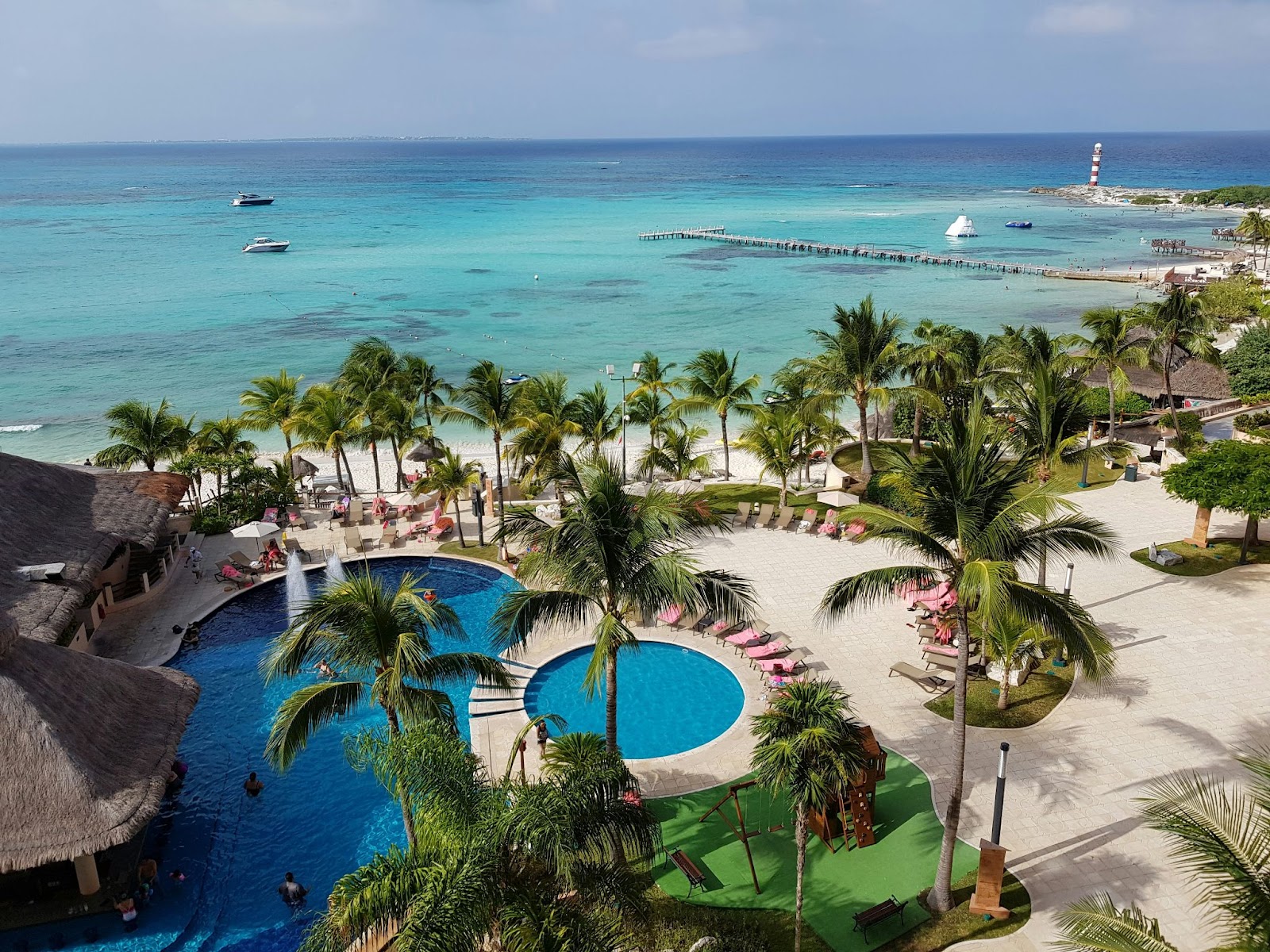
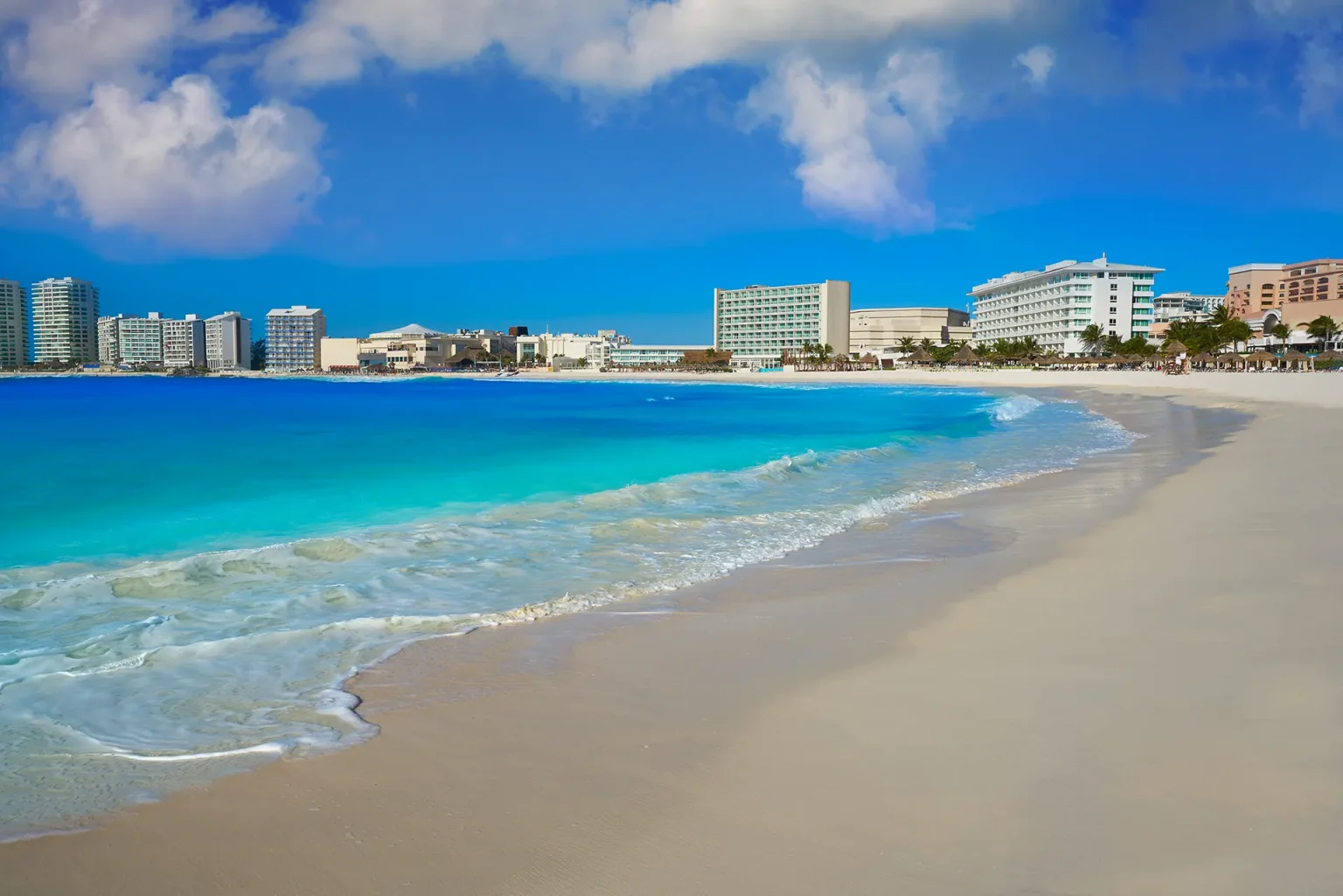
If you close your eyes and picture Mexico’s beaches, you might imagine the turquoise sweep of the Riviera Maya, the golden arc of Los Cabos, or the bohemian buzz of Puerto Escondido. But beneath the sun-drenched surface, a quiet revolution is reshaping these iconic destinations. It’s not just about new resorts or the latest celebrity sightings—though you’ll find plenty of both. The real story is about the invisible currents: shifting traveler desires, business pivots, and the resilience of communities who call these coasts home.
- Sun, Sand, and Subtle Shifts
- From Mass Tourism to Meaningful Moments
- Safety, Perception, and the Resilience of Community
- The Rise of the “Experience Economy”
- Business Unusual: Innovation in the Face of Uncertainty
- Human Stories: The Heartbeat of the Coast
- Table: Mexico’s Top Beach Destinations—Trends and Standings (2026)
- The Road Ahead: Sustainability, Inclusion, and the Mexican Way
Today, as I write from a breezy palapa in Nayarit, the scent of grilled pescado zarandeado in the air, I invite you to look beyond the headlines and discover the forces quietly transforming Mexico’s beach paradises—one wave, one family, one bold idea at a time.
From Mass Tourism to Meaningful Moments
Let’s start with the numbers. Since the 1990s, Mexico’s beach tourism has exploded. Cancún, once a sleepy sandbar, now welcomes millions of international visitors each year. The all-inclusive model-pioneered here-became a global template. But as the decades rolled on, cracks began to show. Overdevelopment strained infrastructure, environmental concerns mounted, and travelers started craving more than just endless buffets and poolside margaritas.
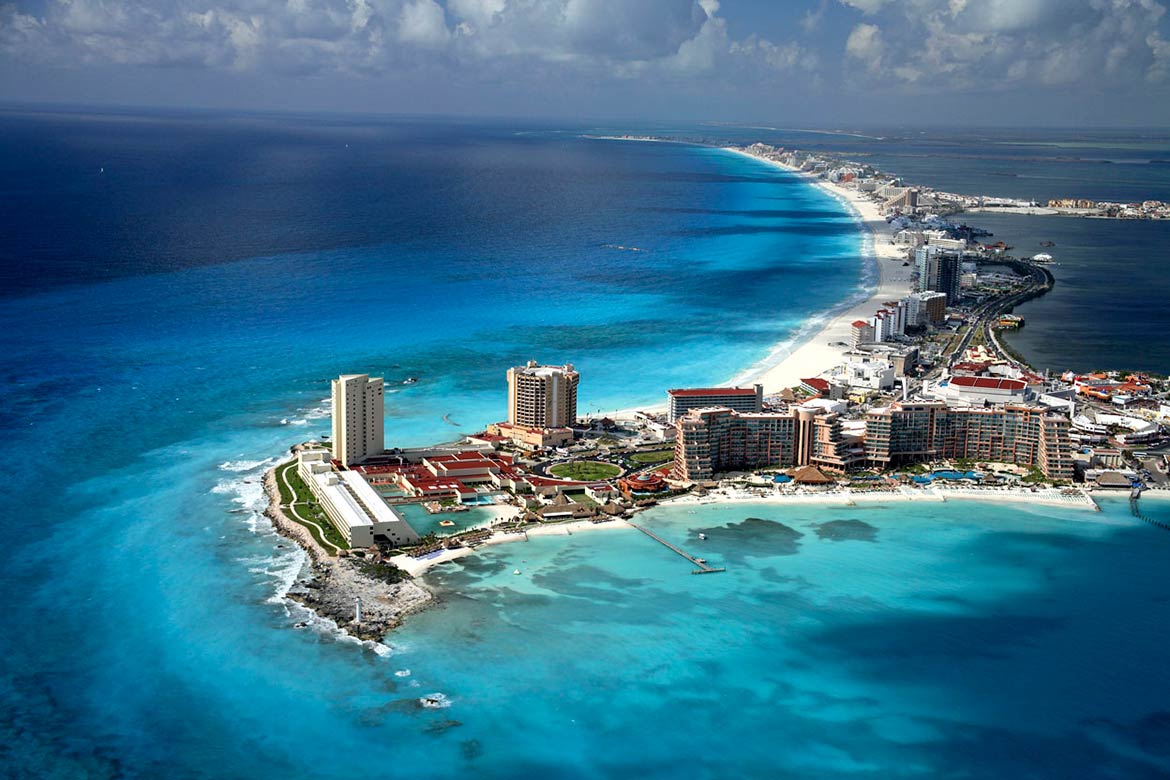
A recent report from Travel Off Path captures the mood: “Cancun fatigue is real. Visitor numbers are down across the board, but there’s one beach paradise that seems to be not only immune to the trend, but on an upward trend this winter: Los Cabos.” source
What’s behind Cabo’s surge? Local leaders credit a pivot from “mass tourism” to “quality over quantity.” The result: fewer crowds, higher standards, and a sense of exclusivity that’s drawing everyone from Hollywood A-listers to families seeking peace of mind.
Safety, Perception, and the Resilience of Community
Of course, no conversation about Mexico’s beaches is complete without addressing safety. Recent headlines have spotlighted cartel violence and travel advisories, especially after the high-profile killing of a cartel leader in early 2026. The U.S. State Department’s latest alert urges travelers to “exercise increased caution,” with some regions under stricter warnings than others Travel + Leisure.
But here’s the nuance: while security incidents can ripple through tourism, local communities and businesses are remarkably resilient. In Puerto Vallarta, for example, the city’s cultural calendar and art walks have continued uninterrupted, even as federal security operations unfolded nearby. As Vallarta Today reports, “the city’s long-running gallery circuit is quietly reinforcing a different story, one of continuity, creativity, and community presence.” source
The Rise of the “Experience Economy”
If the 1990s and 2000s were about building bigger resorts, the 2020s are about building richer experiences. Today’s travelers—whether digital nomads, families, or retirees—want more than a tan. They want to learn to surf in Sayulita, taste mezcal with Zapotec maestros in Oaxaca, or join a turtle release at dawn in Mazatlán.
This shift is visible in the numbers and the stories. Los Cabos, for instance, is expected to welcome over 100,000 private aviation visitors this year, many seeking bespoke adventures and wellness retreats. Meanwhile, smaller destinations like Isla Holbox and Isla Mujeres are gaining fame for their laid-back charm and eco-conscious ethos Condé Nast Traveler.
But it’s not just about luxury. In Cozumel, Isla Pasión was recently crowned the world’s best beach by Tripadvisor, celebrated for its protected coral reefs and sea turtle nesting sites. Here, conservation and tourism go hand in hand—a model for the future.
Business Unusual: Innovation in the Face of Uncertainty
Behind the scenes, the business of Mexican beach tourism is evolving at warp speed. After decades of focusing on “sun, sea, and sand,” developers and policymakers are diversifying their bets. The government is investing in infrastructure, digital connectivity, and regional dispersal—encouraging travelers to explore beyond the usual hotspots.
A recent feature in Vallarta Today notes, “Mexico’s tourism strategy is entering a new phase. Rather than reacting to crises, authorities are attempting to redesign the system itself: from airports to digital nomads, from mass tourism to regional dispersal.” source
This means new airports in secondary cities, incentives for sustainable hotels, and a push to attract remote workers and long-stay visitors. The invisible hand of logistics—think supply chains, digital platforms, and even AI-driven guest services—is quietly reshaping the guest experience.
Human Stories: The Heartbeat of the Coast
But let’s not forget the people. In every beach town, from Baja to the Yucatán, you’ll find families reinventing themselves—fishermen turned eco-guides, artisans launching pop-up markets, chefs fusing ancestral recipes with global flavors. Their stories are the soul of Mexican tourism.
Take the South Side Shuffle in Puerto Vallarta’s Romantic Zone, where galleries and small businesses open their doors every other Friday, transforming the neighborhood into a walkable celebration of art and community. Or the weekly Art Walk in the historic center, which, as Vallarta Today puts it, “anchors the season as galleries keep doors open, reinforcing a story of continuity, creativity, and community presence.”
Rather than tapering off after the holidays, many of the city’s signature cultural activities are scheduled to continue through late spring, reinforcing the destination’s identity as both a resort and an arts hub.
Vallarta Today, March 2026
Table: Mexico’s Top Beach Destinations—Trends and Standings (2026)
| Destination | 2026 Trend | Notable Features |
|---|---|---|
| Los Cabos | Growing | Luxury, wellness, private aviation |
| Puerto Vallarta | Stable/Recovering | Art walks, resilient community |
| Isla Mujeres | Rising | Whale sharks, laid-back, eco-tourism |
| Isla Holbox | Rising | Nature preserve, over-water hammocks |
| Cozumel (Isla Pasión) | Rising | Best beach award, coral reefs, turtles |
| Mazatlán | Stable | Historic center, culinary scene |
The Road Ahead: Sustainability, Inclusion, and the Mexican Way
As we look to the future, the forces reshaping Mexico’s beaches are as complex as a well-layered mole. Environmental stewardship is no longer optional—it’s essential. Communities are demanding a bigger seat at the table, and travelers are voting with their feet (and wallets) for destinations that balance beauty with responsibility.
The government’s new focus on diversification and digital innovation is promising, but the real magic happens on the ground: in the laughter of children at a turtle release, the pride of a chef serving ancestral dishes, the quiet determination of hoteliers who weather every storm.
If you’re planning your next escape, remember: the best way to experience Mexico’s beaches is to look beyond the obvious. Talk to locals, try the street food, join a festival, and—above all—travel with curiosity and respect. You’ll find that the real treasures aren’t just the beaches, but the people and stories that make them unforgettable.