
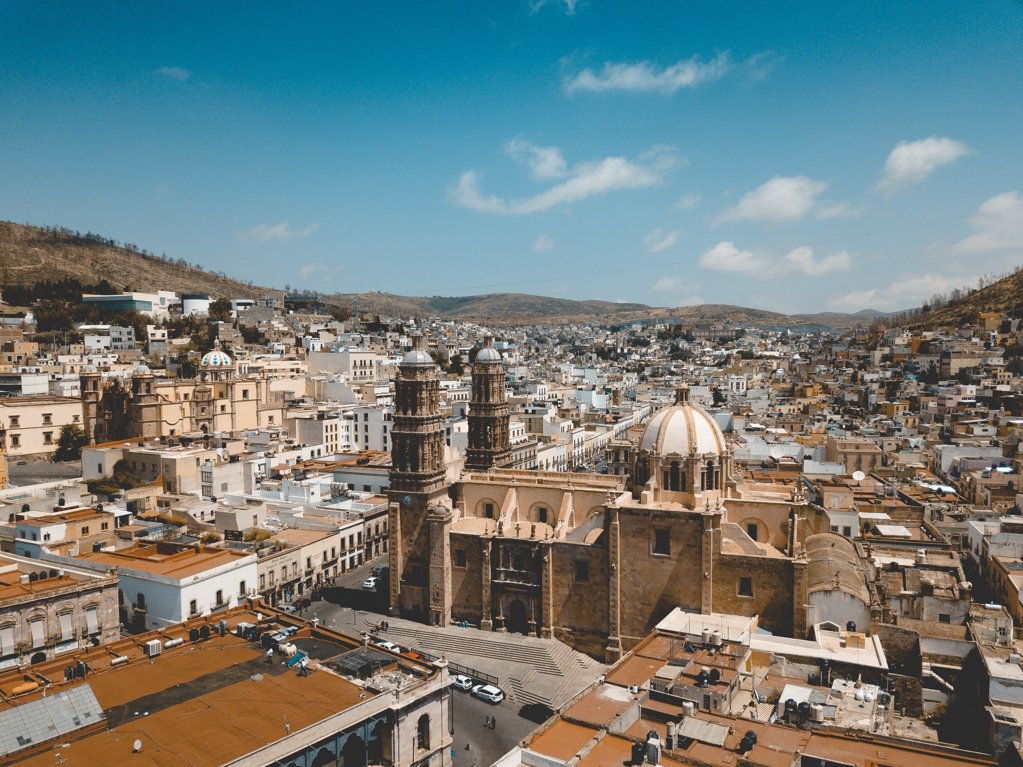
If you’ve ever wondered where the soul of Mexico dances, cooks, and dreams, let me take you to Oaxaca. This is not just a destination — it’s a living, breathing altar to culture, resilience, and reinvention. As the world’s appetite for authentic, sustainable travel grows, Oaxaca is stepping into the spotlight, not with a shout, but with the irresistible aroma of mole, the shimmer of handwoven textiles, and the laughter of families gathered in sunlit plazas. Today, Oaxaca is not just a place to visit; it’s a movement you’ll want to join.
- Oaxaca: Where Every Street Tells a Story
- The Business of Belonging: Oaxaca’s Tourism Revolution
- Festivals, Food, and the Art of Slow Travel
- Beyond the City: Nature, Adventure, and Hidden Gems
- Trends Shaping Oaxaca’s Future
- Oaxaca for Everyone: Accessibility, Safety, and Insider Tips
- Human Stories: The Heartbeat of Oaxaca
- Hasta la Vista
Oaxaca: Where Every Street Tells a Story
Let’s start with a confession: I’ve lost count of how many times I’ve gotten gloriously lost in Oaxaca’s cobblestone streets. Each turn reveals a new mural, a hidden café, or a grandmother selling tamales that taste like a hug from the universe. Oaxaca City, the capital of the state, is a UNESCO World Heritage Site — and for good reason. Here, 16 indigenous communities keep their languages and traditions alive, making Oaxaca one of the most culturally diverse corners of the Americas.
The city’s heartbeat is the zócalo, where marimbas play and children chase pigeons under the shade of ancient laurels. Just steps away, the Templo de Santo Domingo rises in baroque splendor, its gilded interior a testament to centuries of faith and artistry. But Oaxaca is not a museum piece. It’s alive, evolving, and welcoming — a place where you can sip smoky mezcal with artisans one night and join a street parade the next.
The Business of Belonging: Oaxaca’s Tourism Revolution
Oaxaca’s rise as a tourism powerhouse didn’t happen overnight. Since the 1990s, Mexico has seen a steady increase in both international and domestic visitors, weathering storms from economic crises to health scares. Oaxaca, once overshadowed by beach giants like Cancún, has quietly become a magnet for travelers seeking meaning over margaritas.
What sets Oaxaca apart is its commitment to community-based tourism. Here, indigenous villages like Teotitlán del Valle and San Martín Tilcajete invite visitors to learn traditional weaving or carve fantastical alebrijes (those wild, painted creatures born from dreams). This isn’t just a trend — it’s a business model that uplifts entire communities.
Oaxaca’s greatest asset is its people. When travelers come here, they’re not just buying a tour; they’re investing in families, traditions, and futures.
María López, Zapotec weaver and cooperative leader
The numbers tell their own story. Tourism now accounts for a significant share of Oaxaca’s economy, supporting local businesses, artisans, and a new generation of eco-conscious hoteliers. The city’s hotel occupancy rates have soared, especially during festivals like Guelaguetza and Día de Muertos, when the city transforms into a kaleidoscope of music, dance, and marigold petals.
Festivals, Food, and the Art of Slow Travel
If you time your visit right, Oaxaca will sweep you into a celebration that feels both ancient and electric. The Guelaguetza in July is a riot of color, with dancers from across the state sharing their regional traditions. But nothing compares to Día de Muertos, when the city glows with candlelight and altars bloom with cempasúchil flowers. The air is thick with the scent of pan de muerto and the promise that, for a few nights, the veil between worlds is as thin as a tortilla.
Speaking of tortillas, let’s talk food. Oaxaca is Mexico’s undisputed culinary capital. From the bustling Mercado 20 de Noviembre to rooftop restaurants with views of the Sierra Norte, every meal is a revelation. Mole negro, tlayudas, memelas — these are not just dishes, but edible stories passed down through generations. And don’t even get me started on the mezcal. If you want to dive deeper, join a local food tour or cooking class. Your taste buds will thank you, and so will the abuelas who keep these traditions alive.
For a taste of Oaxaca’s food scene, check out this Oaxaca Food Tour video on YouTube.
YA SE VIVE EL DÍA DE MUERTOS EN LAS CALLES DE OAXACA
La magia de #LaFiestaMásVivaDeTodas ya se siente. El Centro Histórico de Oaxaca se transforma cada noche con los colores vibrantes y el aroma inconfundible del cempasúchil, flor que guía el regreso de nuestros seres queridos.… pic.twitter.com/L5OWoPyD9N
Beyond the City: Nature, Adventure, and Hidden Gems
Oaxaca’s magic doesn’t end at the city limits. Just a short drive away, you’ll find the petrified waterfalls of Hierve el Agua, where mineral-rich pools overlook a valley that seems to stretch into eternity. Hikers can lose themselves in the cloud forests of the Sierra Norte, while surfers chase the legendary waves of Puerto Escondido. For a quieter escape, visit the mushroom forests of San José del Pacífico or the artisan villages that dot the valleys.
One of my favorite discoveries? The ancient Zapotec ruins of Monte Albán, perched high above the city. Here, you can wander through temples and ball courts that have witnessed over a thousand years of history. It’s a reminder that Oaxaca’s story is as deep as it is dazzling.
La Bahía de Cacaluta es otra hermosa porción de arena y mar con la que cuenta Bahías de Huatulco. Es una bahía virgen la cual esta formada por dos playas; la playa Cacaluta y la playa Arroyo.
📷 @jesus.de.vago
📍 Bahía de Cacaluta, Huatulco, Oaxaca pic.twitter.com/O0WcNXSUFC
Trends Shaping Oaxaca’s Future
Oaxaca’s tourism boom is not without its challenges. As visitor numbers climb, the city is grappling with how to balance growth with sustainability. The good news? Oaxaca is leading the way in responsible tourism. Local cooperatives, eco-lodges, and government initiatives are working together to ensure that tourism benefits everyone — not just a lucky few.
Since the early 2000s, Mexico has shifted from mega-resorts to more inclusive, sustainable models. Oaxaca has been a pioneer, with community-based tourism projects that empower indigenous groups and protect natural resources. The result? A destination that feels both welcoming and resilient.
We want travelers to leave Oaxaca with more than souvenirs. We want them to carry our stories, our struggles, and our hopes back home.
Juan Carlos García, Director of Oaxaca’s Tourism Board
Here’s a quick look at Oaxaca’s tourism trends over the past decade:
| Year | International Visitors | Hotel Occupancy (%) | Major Events/Festivals |
|---|---|---|---|
| 2015 | 450,000 | 62 | Guelaguetza, Día de Muertos |
| 2018 | 600,000 | 68 | Guelaguetza, Mezcal Fair |
| 2022 | 750,000 | 74 | Guelaguetza, Film Festival |
| 2025 | 900,000 (est.) | 80 (peak) | Guelaguetza, Día de Muertos, Art Biennial |
Source: Oaxaca Tourism Board, 2025
Oaxaca for Everyone: Accessibility, Safety, and Insider Tips
Let’s bust a myth: Oaxaca is not just for backpackers or luxury seekers. It’s a destination for families, solo travelers, couples, and adventurers of all ages and abilities. The city center is walkable and safe, with plenty of accessible hotels and attractions. Taxis and colectivos make it easy to explore further afield, and there’s a growing network of guides trained in inclusive tourism.
Safety? Oaxaca is considered one of the safest cities in Mexico for travelers. As always, common sense goes a long way — but you’re more likely to lose your heart to a tlayuda vendor than to run into trouble.
Human Stories: The Heartbeat of Oaxaca
What makes Oaxaca unforgettable isn’t just its sights or flavors — it’s the people. Like Doña Vale, whose memelas at the local market have become legendary, or the young artists painting murals in Jalatlaco, turning the city into an open-air gallery. Or the Zapotec grandmothers teaching visitors to weave rugs dyed with cochineal insects, a tradition older than the Spanish conquest.
These are the stories that stay with you long after you’ve left. They’re proof that tourism, when done right, can be a force for good — preserving heritage, creating jobs, and building bridges between cultures.
Travelers come for the beauty, but they return for the friendships. Oaxaca is a place that welcomes you as family.
Ana Martínez, owner of Casa Antoineta
Hasta la Vista
Oaxaca is more than a destination; it’s an invitation to slow down, connect, and rediscover what matters. Whether you’re planning your first visit or your fifteenth, there’s always something new to learn, taste, and celebrate here. So pack your curiosity, your appetite, and your dancing shoes — Oaxaca is waiting to welcome you home.