
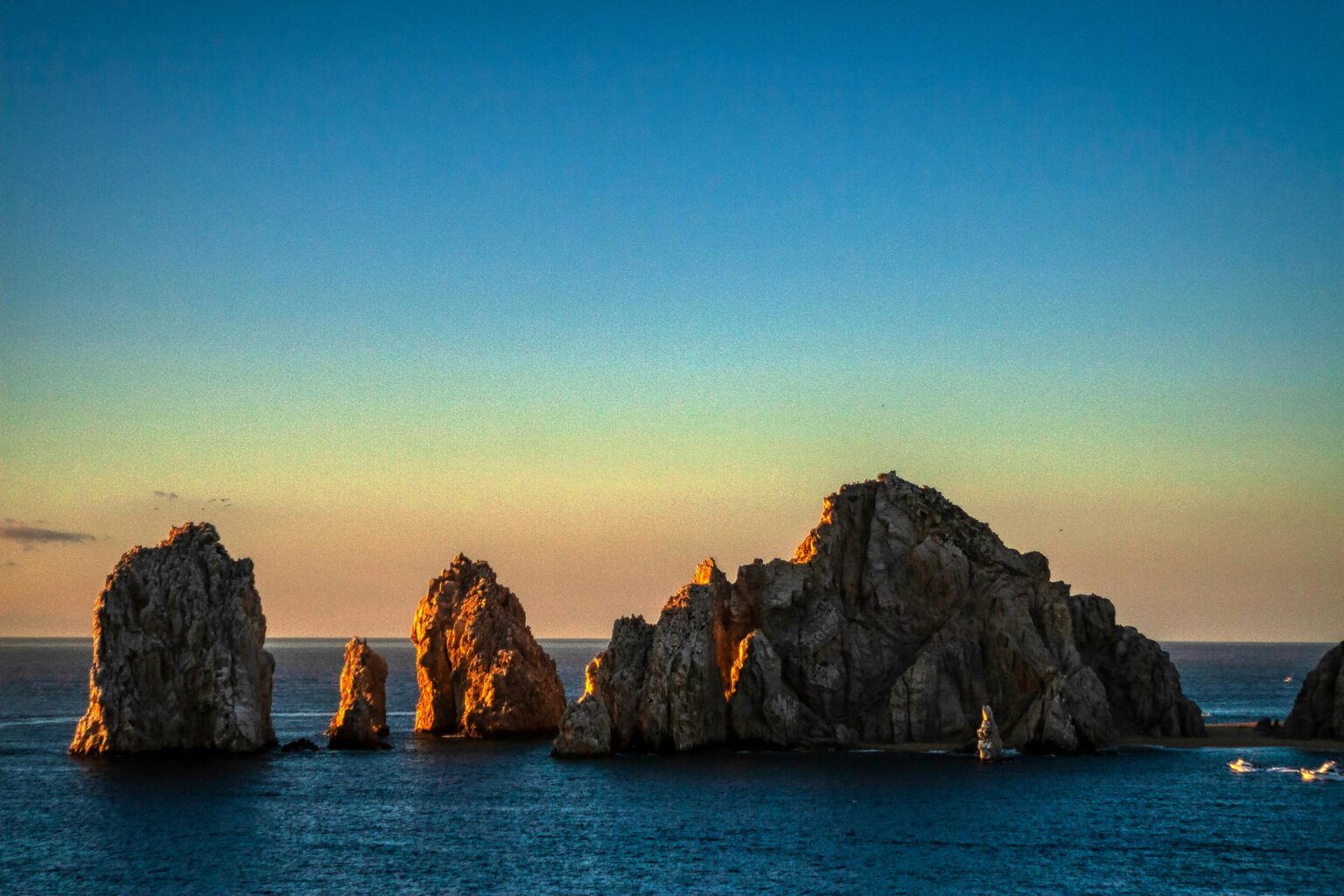
From sunrise over El Arco to tacos at sunset, Los Cabos is rewriting the story of Mexican tourism. Here’s why this Baja paradise is more than just a pretty face—and why its future matters to travelers, families, and the industry itself.
- The End of the Land, the Start of the Adventure
- From Fishing Village to Global Hotspot: The Cabo Evolution
- Two Towns, One Soul: Cabo San Lucas and San José del Cabo
- The New Faces of Cabo: Trends Shaping 2025
- 1. Sustainable Luxury and Eco-Innovation
- 2. Adventure Beyond the Beach
- 3. Wellness, Wellness, Wellness
- 4. Community and Culture at the Forefront
- Business Insights: The Cabo Effect on Mexican Tourism
- Human Stories: The Heartbeat of Cabo
- Practical Guide: What to Know Before You Go
- The Cabo Difference: Why It Matters
The End of the Land, the Start of the Adventure
There’s a moment, as your plane descends over the southern tip of Baja California Sur, when the world seems to split in two: on one side, the wild Pacific; on the other, the tranquil Sea of Cortez. In between, Los Cabos glimmers—a place where desert mountains tumble into turquoise waves, and every horizon feels like a promise. If you listen closely, you might even hear the sizzle of tacos al pastor and the laughter of families who, like you, have come searching for something unforgettable.
But Los Cabos is more than a postcard. It’s a living, breathing destination—one that has transformed itself from a sleepy fishing outpost into a global powerhouse of tourism, innovation, and community. And as we step into the high season of 2025, the story of Los Cabos is richer, more complex, and more inspiring than ever.
Los Cabos is where extraordinary beauty comes to life, and every trip is transformed into more than a getaway. #VisitLosCabos
Where the land ends, your story begins. https://t.co/lUB0NLPAjc pic.twitter.com/4BP8l7DnHR
From Fishing Village to Global Hotspot: The Cabo Evolution
Let’s rewind. In the early 1990s, Los Cabos was a well-kept secret, known mostly to Hollywood stars and intrepid anglers. Fast forward to today, and it’s one of Mexico’s most successful tourism stories—a model of integrally planned development that has seen visitor numbers and hotel capacity soar. According to industry data, timeshare sales in Los Cabos grew at an average rate of 12.3% annually for decades, and the region now boasts over 1,100 hotels and resorts, from boutique eco-lodges to five-star icons like the Waldorf Astoria and One&Only Palmilla.
What fueled this boom? A mix of vision, investment, and a dash of Mexican magic. The government and private sector worked hand-in-hand to build not just hotels, but the infrastructure—airports, highways, marinas—that would make Los Cabos accessible to the world. The result: a destination that welcomes millions each year, with a tourism economy that supports thousands of families and businesses.
Los Cabos is not just a place—it’s a movement. We’ve seen how thoughtful tourism can uplift entire communities, create jobs, and inspire innovation. Our challenge now is to keep that spirit alive as we grow.
Rodrigo Esponda, Managing Director, Los Cabos Tourism Board
El suave oleaje de algunas playas de #LosCabos invita a respirar hondo, relajarse y dejarse llevar. 🌊 Un rincón perfecto para redescubrir la calma y disfrutar cada instante. ¿Listo para visitarlo?
— Visita Los Cabos (@VisitaLosCabos) October 17, 2025
📷sofiachamanphoto pic.twitter.com/bTdvZOS2Dd
Two Towns, One Soul: Cabo San Lucas and San José del Cabo
Ask a local, and they’ll tell you: Los Cabos is really two towns with two personalities. Cabo San Lucas is the extrovert—famous for its nightlife, marina, and the iconic Arch at Land’s End. Here, you’ll find all-night fiestas, luxury yachts, and a beach scene that rivals any in the world. Medano Beach is the heart of the action, where families build sandcastles by day and friends toast margaritas by night.
Just 20 miles up the coast, San José del Cabo is the introvert—artsy, historic, and quietly sophisticated. Its colonial center is a maze of cobblestone streets, art galleries, and farm-to-table restaurants like Flora Farms, a rustic-chic oasis that’s become one of the most Instagrammed spots in Mexico. On Thursday nights, the Art Walk transforms the town into an open-air gallery, with live music and local artists welcoming visitors into their studios.
See the most Instagrammed spots in Cabo and when to visit crowd-free.
The New Faces of Cabo: Trends Shaping 2025
1. Sustainable Luxury and Eco-Innovation
Gone are the days when luxury meant excess. Today’s travelers want experiences that are both indulgent and responsible. Los Cabos has answered the call with a wave of eco-conscious resorts, solar-powered villas, and conservation initiatives. The region’s farm-to-table movement is thriving, with restaurants like El Huerto and Flora Farms sourcing ingredients from their own gardens and supporting local farmers.
a mi regresenme a Yucatan, a Los Cabos, a San Luis Potosi, a Monterrey, a Queretaro neta mi lugar favorito en el mundo es mexico alch tenemos cosas tan bonitas pic.twitter.com/dkMnUph6FQ
2. Adventure Beyond the Beach
Yes, the beaches are spectacular—but the real magic happens when you venture off the beaten path. Think camel safaris in the Baja desert, whale watching in the Sea of Cortez (December to April is prime season), and hiking in the Sierra de la Laguna mountains. For the truly adventurous, clear-boat tours offer a window into the vibrant marine life beneath El Arco, while ATVs and mountain bikes let you explore hidden canyons and cactus forests.
3. Wellness, Wellness, Wellness
After the past few years, travelers are seeking more than just sun—they want renewal. Los Cabos has become a wellness haven, with world-class spas, yoga retreats, and temazcal (traditional sweat lodge) ceremonies. Resorts like Montage Los Cabos and Esperanza offer holistic programs that blend Mexican healing traditions with modern luxury.
4. Community and Culture at the Forefront
Perhaps the most exciting trend is the rise of community-driven tourism. Local entrepreneurs, artists, and chefs are shaping the Cabo experience, from surf schools in Todos Santos to artisan markets in Miraflores. Initiatives like the Sarahuaro Foundation are empowering women and families, proving that tourism can be a force for good.
Helping mothers nurture strong, resilient children is the cornerstone of building a better future. Our work is possible thanks to the support of visitors who care about our community.
Sarahuaro Foundation, Los Cabos
Fresh seafood, bold spices and sunsets that pair perfectly with every dish. In Los Cabos, dining becomes discovery, a celebration of land and sea. #VisitLosCabos
— Los Cabos (@LosCabosTourism) October 20, 2025
Where the land ends, your taste buds come alive. https://t.co/lUB0NLPAjc pic.twitter.com/GfVlG7Wcpu
Business Insights: The Cabo Effect on Mexican Tourism
Los Cabos isn’t just a vacation spot—it’s a bellwether for the entire Mexican tourism industry. Here’s what the numbers and trends reveal:
| Year | Visitor Arrivals (Millions) | Hotel Rooms | Major Milestone |
|---|---|---|---|
| 1990 | <0.5 | ~5,000 | Early resort development |
| 2000 | 1.2 | ~10,000 | Timeshare boom, cruise port expansion |
| 2015 | 2.5 | ~15,000 | Top 4 cruise port in Mexico |
| 2025* | 3.5+ | 20,000+ | Diversification, global recognition |
*2025 figures are estimates based on current trends.
- Economic Impact: Tourism now accounts for over 80% of local GDP, supporting more than 100,000 jobs.
- Diversification: Beyond sun and sand, Los Cabos is attracting medical tourists, digital nomads, and investors in wellness and adventure travel.
- Challenges: As the coastline becomes more developed, there’s a push to expand northward (Costa Palmas, Todos Santos) and to balance growth with sustainability.
Human Stories: The Heartbeat of Cabo
Behind every statistic is a story. Meet Ana, a third-generation artisan in San José del Cabo, whose family workshop survived the pandemic thanks to a surge in visitors seeking authentic, handmade souvenirs. Or Jorge, a marine biologist who leads eco-tours in Cabo Pulmo, a UNESCO-protected reef that’s become a model for marine conservation.
And then there’s the family from Chicago who, after a sunset cruise past El Arco, decided to return every year—not just for the beaches, but for the friendships they’ve made with local chefs and guides. As one visitor put it,
Cabo isn’t just a place you visit. It’s a place you belong.
Practical Guide: What to Know Before You Go
- Getting There: Los Cabos International Airport (SJD) is served by over 20 airlines, with direct flights from major U.S. and Canadian cities. Priority Pass lounges are available for a smooth arrival.
- Where to Stay: From luxury icons (Waldorf Astoria, Montage, One&Only Palmilla) to boutique gems and eco-lodges, there’s a home for every traveler. Browse the latest hotel deals and reviews.
- When to Visit: October–June offers the best weather and fewer crowds. Whale watching peaks December–April; art walks and festivals light up the winter and spring.
- Getting Around: Renting a car is recommended for exploring beyond the resorts. Uber is available and often cheaper than taxis.
- Safety: Los Cabos is considered one of Mexico’s safest destinations, with robust tourism police and clear beach safety protocols. Always check beach flags before swimming—some beaches have strong currents.
The Cabo Difference: Why It Matters
Los Cabos is proof that tourism, when done right, can uplift communities, protect nature, and create memories that last a lifetime. It’s a place where the end of the land is just the beginning of your story—whether you’re a family seeking adventure, a couple chasing sunsets, or an investor looking for the next big thing in travel.