

From Tacos to Triumph: How Mexico Became the World’s Tourism Powerhouse
If you close your eyes and listen, you might just hear it: the sizzle of tacos al pastor on a Mexico City street, the distant crash of Pacific waves in Puerto Escondido, the laughter of families exploring cenotes in Yucatán. In 2025, these sounds became the heartbeat of a nation that didn’t just recover from global uncertainty—it soared. This year, Mexico didn’t just break records; it broke stereotypes, proving that travel here is as much about human connection and innovation as it is about sun and sand.
- From Tacos to Triumph: How Mexico Became the World’s Tourism Powerhouse
- The Numbers: A Fiesta of Growth
- Human Stories: The Soul Behind the Stats
- Business Insights: Innovation, Investment, and the Road to 2026
- Trends: Who’s Coming, Where, and Why?
- The Big Three: U.S., Canada, Argentina
- Cruise Comeback
- Air Arrivals and New Hubs
- Sustainability and Slow Travel
- Challenges and Resilience: Not All Sunshine
- A Taste of the Future: What’s Next?
- Hasta la Vista
Let’s unwrap the story of 2025—a year when Mexico’s tourism industry became the envy of the world, and every traveler, entrepreneur, and abuelita played a starring role.
The Numbers: A Fiesta of Growth
The data reads like a mariachi crescendo. According to the Ministry of Tourism (SECTUR), Mexico welcomed a staggering 71 million visitors between January and September 2025—a 13.9% increase over the same period in 2024 (Mexican Press Agency). Of these, 34.7 million were overnight international travelers (up 6.4%), and 8 million arrived by cruise ship (a 10.6% jump). Foreign exchange earnings from international visitors hit $25.78 billion USD, up 6.2% from last year.
Year-End Analysis: Mexico Tourism 2025 – Data & Highlights
September alone saw 7.28 million international arrivals, a 16% leap over September 2024. And while the average spending per tourist in September dipped slightly (to $253.36 USD), the overall trend is clear: more people are coming, and they’re spending more, especially those arriving by air, whose average expenditure rose to $1,242.60 USD—a 6.1% increase.
Here’s a quick snapshot:
| Metric | Jan–Sep 2025 | % Change vs. 2024 |
|---|---|---|
| Total Visitors | 71 million | +13.9% |
| Overnight International Travelers | 34.7 million | +6.4% |
| Cruise Ship Passengers | 8 million | +10.6% |
| Foreign Exchange Earnings | $25.78 billion | +6.2% |
| Avg. Air Traveler Spend | $1,242.60 | +6.1% |
Source: SECTUR, INEGI, Mexican Press Agency
Human Stories: The Soul Behind the Stats
Numbers are impressive, but it’s the people who make Mexico’s tourism story unforgettable. Take the grandmother in Oaxaca teaching visitors to grind cacao by hand, or the young entrepreneur in Tulum who turned a family cenote into an eco-sanctuary. In Cozumel, cruise ship arrivals brought new life to local markets, with artisans selling handwoven hammocks and fresh ceviche to travelers from every continent.
One of my favorite moments this year? Watching a group of Canadian and Argentine tourists, fresh off a flight, join a spontaneous salsa lesson in Mérida’s Plaza Grande. No one cared about language barriers—just the joy of movement, music, and mezcal.
And let’s not forget the hospitality professionals—the unsung heroes. As Pamela Cruz of the Mexican Press Agency put it:
Tourism is a driver of shared prosperity, promoting social development, strengthening local economies, and contributing to community well-being. It generates opportunities that translate into a better quality of life for more Mexican families.
Business Insights: Innovation, Investment, and the Road to 2026
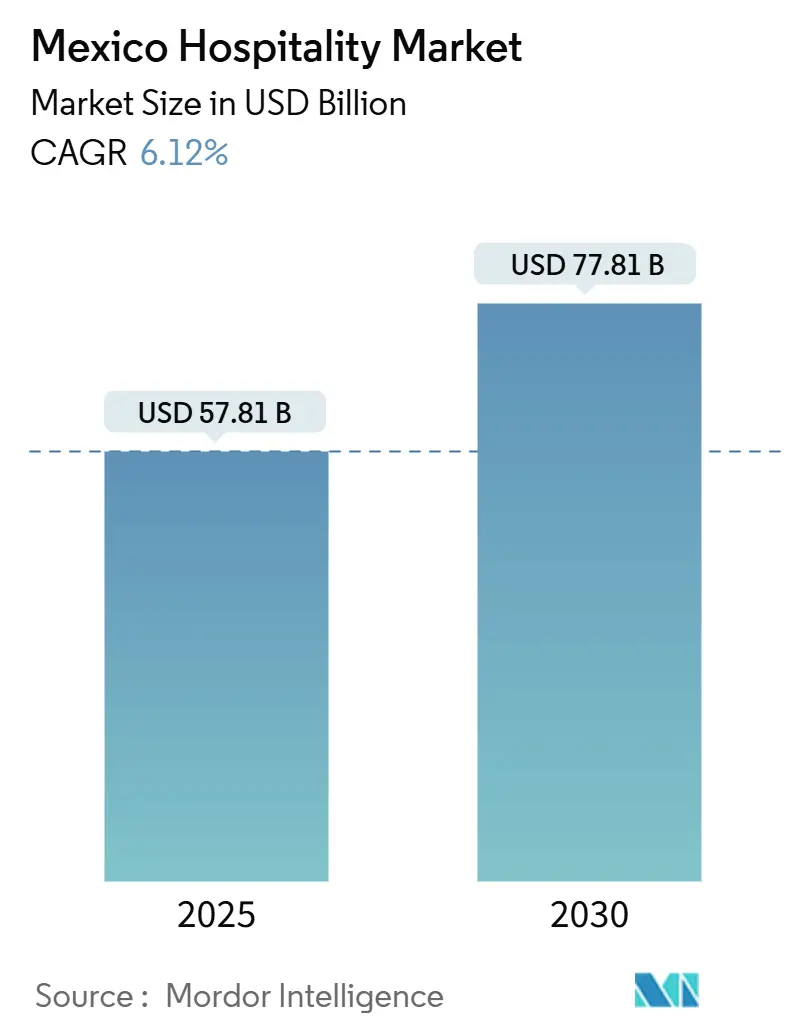
Mexico’s hospitality market is on fire—valued at $26 billion USD in 2024 and projected to reach $46 billion by 2032 (Verified Market Research). What’s fueling this? A blend of smart investment, digital transformation, and a relentless focus on sustainability.
- Infrastructure Boom: Over $8.2 billion invested in tourism infrastructure since 2020, with 156 new hotels opening in 2023 alone.
- Tech & Sustainability: From digital check-ins to eco-luxury resorts, Mexico is leading the region in green innovation and guest experience.
- Diverse Offerings: Whether you’re a solo backpacker, a family of five, or a business traveler attending a MICE event in Monterrey, there’s a slice of Mexico for you.
And the best is yet to come. With the FIFA World Cup 2026 on the horizon, cities like Mexico City, Monterrey, and Guadalajara are preparing for an unprecedented influx of global visitors. As Minister Josefina Rodríguez Zamora said:
The results we present today forecast a record high in tourism in 2026 in Mexico, a year that, boosted by the World Cup, FITUR, and other international promotional efforts, will consolidate our nation as a global tourism and cultural powerhouse.
Trends: Who’s Coming, Where, and Why?
The Big Three: U.S., Canada, Argentina
The United States remains Mexico’s top source market, with nearly 25 million visitors in 2024 and even more in 2025 (GoWithGuide). Canadians and Argentines are also flocking south, drawn by favorable exchange rates, direct flights, and the promise of winter sun.
Cruise Comeback
Cruise tourism is back with a vengeance—8 million passengers in the first nine months of 2025, up 10.6%. Ports like Cozumel and Puerto Vallarta are buzzing, supporting local economies and spreading the benefits of tourism beyond the big cities.
Air Arrivals and New Hubs
International air arrivals hit 16.5 million by December (TravelPulse). The opening of Tulum’s new international airport in 2024 has made the Riviera Maya more accessible than ever, while Mexico City, Cancún, and Los Cabos continue to set records.
Sustainability and Slow Travel
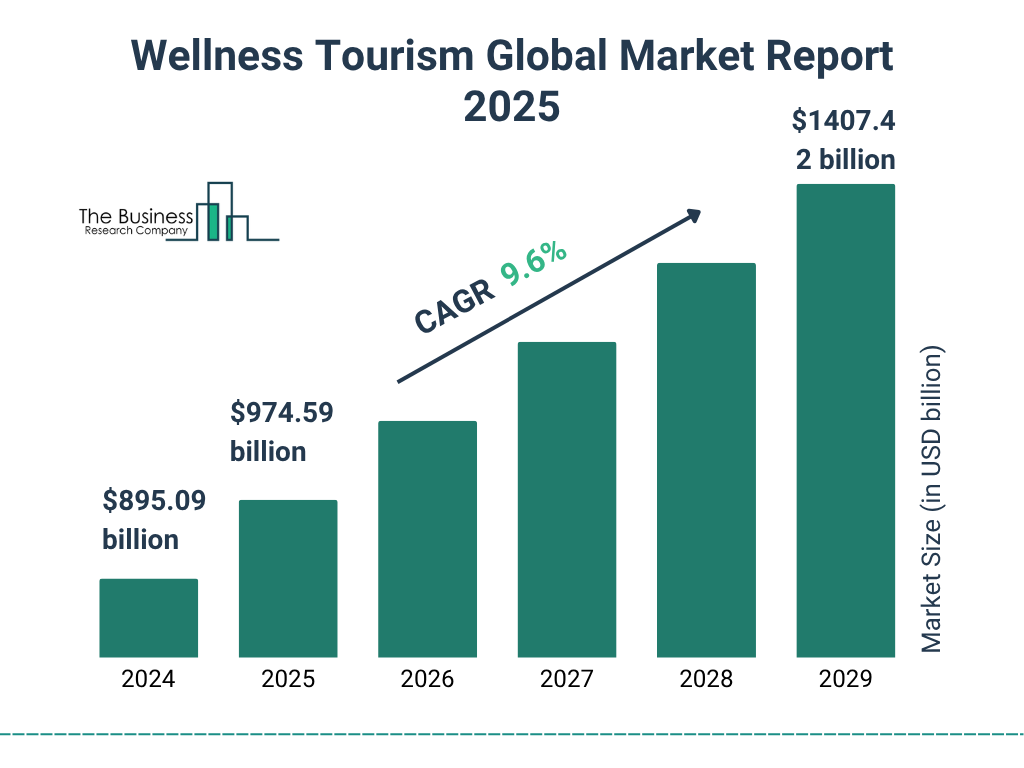
Travelers are seeking more than just beaches—they want authentic experiences, from hiking in Chiapas to learning about Indigenous languages in Oaxaca. Eco-tourism, wellness retreats, and culinary adventures are on the rise, with Mexico’s 35 UNESCO World Heritage Sites and 1,320 museums offering endless inspiration.
Challenges and Resilience: Not All Sunshine
Of course, it hasn’t all been smooth sailing. Security concerns, shifting global travel patterns, and the ever-present specter of climate change have tested the industry’s resilience. Yet, as history shows, Mexican tourism has weathered storms before—from the H1N1 outbreak to hurricanes and economic downturns—and emerged stronger each time.
A quick look back: In the 1990s, Mexico was already a rising star, but it was the 2010s and 2020s that saw the country leap into the global top 10 for international arrivals, thanks to smart policy, investment, and a knack for turning challenges into opportunities.
A Taste of the Future: What’s Next?
With the world’s eyes on Mexico for the World Cup and beyond, the challenge is clear: keep growing, but do it sustainably. That means investing in local communities, protecting natural wonders, and ensuring that every traveler—whether they’re here for a week or a lifetime—feels the warmth of Mexican hospitality.
As I write this, I can’t help but think of the little-known Pueblo Mágico of Real de Catorce, where silver mines once drew fortune-seekers from around the globe. Today, it’s travelers in search of magic, meaning, and a good plate of enchiladas who are discovering Mexico’s true riches.
Hasta la Vista
Ready to dive deeper? Here are some must-read links and videos to keep your wanderlust burning:
- So, whether you’re planning your next adventure or dreaming of a new investment, remember: in Mexico, every year is the year of the traveler. And in 2025, the world finally caught on.