
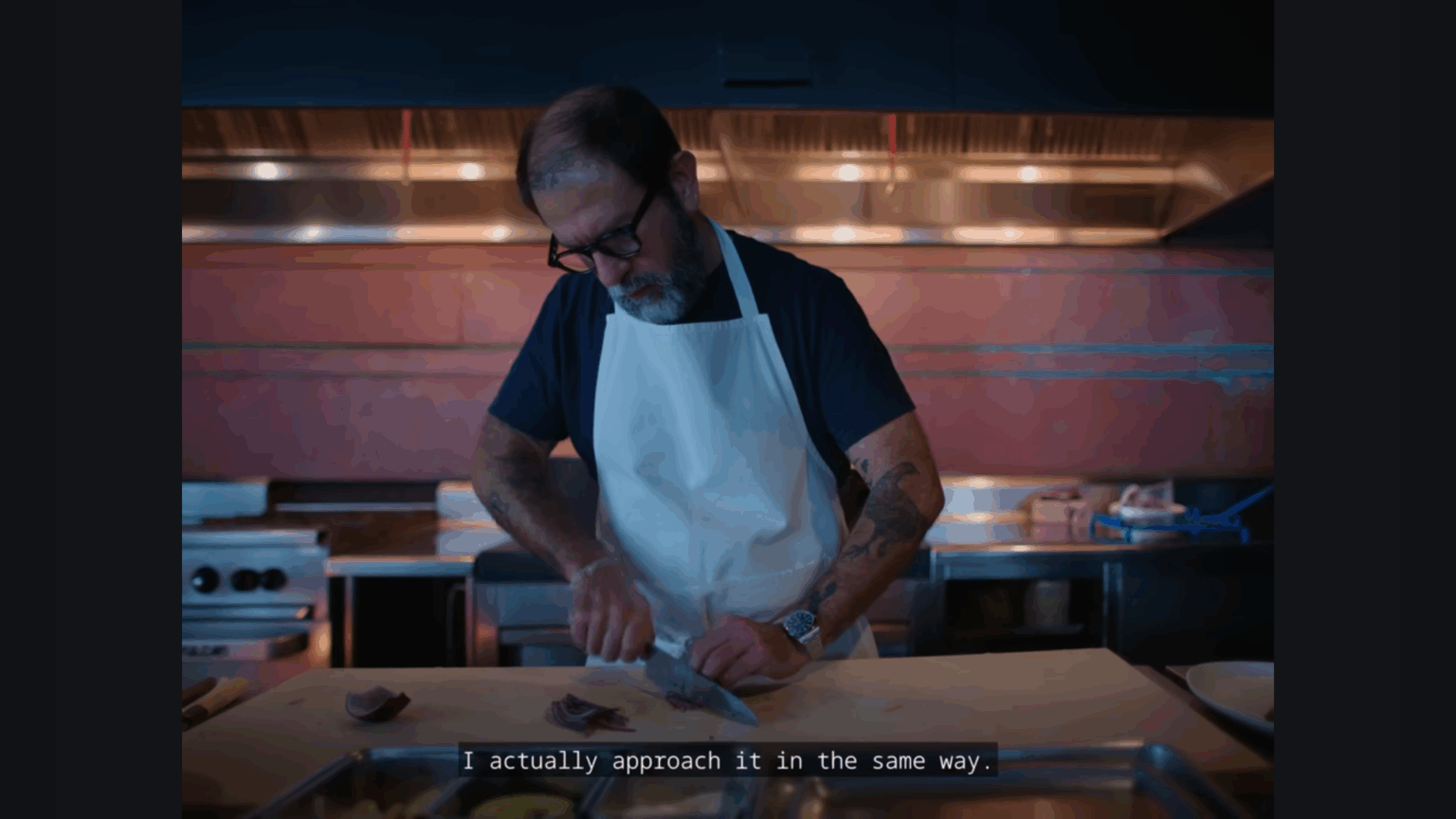
From Street Corn to Michelin Stars: The Journey of a Culinary Revolutionary
If you’ve ever found yourself in a bustling mercado in Mexico City, the air thick with the scent of roasting chiles and the music of a nearby mariachi, you know that Mexican cuisine is more than food—it’s a language, a memory, a celebration. But for decades, the world saw Mexican food through a narrow lens: tacos, burritos, and the occasional bowl of guacamole (sometimes with a price tag that would make even a seasoned chilango raise an eyebrow). Then came Chef Enrique Olvera—a man who didn’t just rewrite the menu, but taught the world to listen to the stories behind every tortilla.
Today, as travelers flock to Mexico not just for its beaches but for its kitchens, we trace the journey of Olvera, the chef who made the world hungry for more than just salsa picante.
The Mole That Changed Everything
Let’s start with a dish that’s become legend: mole madre. At Pujol, Olvera’s flagship in Mexico City, the mole isn’t just a sauce—it’s a living archive, aged for over a thousand days, deep and complex as a Diego Rivera mural. When Olvera opened Pujol in 2000, he wasn’t just serving food; he was serving a new narrative for Mexico.
There was Mexican food before Enrique Olvera, and Mexican food after Enrique Olvera.
Ferran Adrià
Pujol’s rise was meteoric. It landed on the World’s 50 Best Restaurants list, drawing food pilgrims from Tokyo to Toronto. Suddenly, Mexico City was on the global culinary map—not as a footnote, but as a headline.
Beyond the Plate: A New Kind of Tourism
Olvera’s impact goes far beyond the kitchen. By elevating Mexican cuisine to fine-dining status, he transformed Mexico City into a must-visit destination for food lovers. According to historical tourism data, the early 2000s saw a surge in international visitors to Mexico City, many lured by its burgeoning food scene. Pujol became a culinary mecca, and with it, the city’s hotels, markets, and artisans flourished.
But Olvera’s vision was never about exclusivity. He championed local farmers, indigenous ingredients, and traditional techniques—nixtamalizing corn, grinding salsas in a molcajete, and sourcing cacao from Chiapas. His restaurants became bridges between rural producers and urban diners, between abuela’s kitchen and the world stage.
Our mother sauces are not béchamel or velouté, they’re green salsa and things like that. I needed to start learning again, basically. I don’t pretend to know everything, but we have learned a lot by researching and doing.
Enrique Olvera
As Olvera himself shared in a recent interview: (Read the full interview on Eater)
JOB ALERT: #LA – Contemporary Mexican-Californian restaurant Damian, by Chef Enrique Olvera, is hiring an experienced LINE COOK https://t.co/lfCmw76VCp pic.twitter.com/UAaW0IbMNq
The Global Table: Cosme, Atla, and the New Diaspora
Olvera’s influence didn’t stop at the border. In 2014, he opened Cosme in New York City—a sleek, modern space where duck carnitas and corn husk meringue became instant classics. Cosme quickly climbed the ranks, earning a spot among the city’s top restaurants and proving that Mexican cuisine could be both innovative and deeply rooted.
His ventures, including Atla in New York and Criollo in Oaxaca, have become incubators for young talent. Daniela Soto-Innes, who started at Cosme, became the youngest-ever World’s Best Female Chef. Olvera’s kitchens are known for their camaraderie, creativity, and a sense of purpose that goes beyond profit.
Olvera is a chef’s chef; the biggest names in the culinary world plan trips to Mexico City specifically around their Pujol reservations and flock to his restaurants on America’s coasts because he’s got so much to teach them about the beauty and bounty of a cuisine that has long been undervalued outside of its country of origin.
Food & Wine
As noted in a recent feature: (Food & Wine Podcast)
JOB ALERT: #LA – Contemporary Mexican-Californian restaurant Damian, by Chef Enrique Olvera, is hiring an experienced LINE COOK https://t.co/lfCmw76VCp pic.twitter.com/UAaW0IbMNq
Food as Memory, Food as Art
What sets Olvera apart isn’t just technique—it’s philosophy. At a recent dinner in London, he paired aguachile with sake, barbacoa with artichoke chicharrón, and finished with a fig tamal and carajillo. The meal was accompanied by a mariachi band, laughter, and the kind of joyful chaos that feels like home.
Food in Mexico is not only nourishment. It’s a reason to gather. A place to talk. A structure for feeling close. This evening recreated that beautifully. Food as pretext. Food as rhythm. Food as structure for affection.
Latinolife Guest
As one guest wrote: (Latinolife)
Olvera’s menus are layered with references—history, geography, identity. He refuses to simplify or essentialize what Mexican food is. Instead, he invites diners to taste the complexity, the contradictions, the joy.
The Human Side: Stories from the Kitchen
Olvera’s story is also about mentorship and community. He’s trained dozens of chefs who have gone on to open their own acclaimed restaurants. He’s launched initiatives like Mesamérica, a conference that brings together chefs, historians, and students to celebrate and debate the future of Mexican food.
He’s also a prolific author, with books like Tu Casa Mi Casa and Mexico from the Inside Out, making authentic Mexican recipes accessible to home cooks everywhere (Book Presentation).
And let’s not forget the diners—the families, the travelers, the curious souls who come to Pujol or Cosme and leave with a new understanding of what Mexican food can be.
Trends to Watch: The Future of Mexican Gastronomy
- Sustainability: Olvera’s focus on local sourcing and seasonality is now industry standard. Expect more chefs to follow suit, deepening ties between tourism, agriculture, and gastronomy.
- Culinary Tourism: Food is now a primary reason to visit Mexico. Restaurants like Pujol are as iconic as Chichen Itza or the beaches of Tulum.
- Cultural Diplomacy: Mexican cuisine is a tool for storytelling, diplomacy, and national pride. Olvera’s work aligns with broader efforts to promote Mexico’s image abroad.
- Innovation with Roots: The next wave of chefs will continue to blend tradition and innovation, proving that Mexican food is as dynamic as the country itself.
Hasta la Vista
Chef Enrique Olvera didn’t just put Mexico on the culinary map—he redrew the borders, inviting the world to the table. His story is proof that food can be a language, a bridge, and a revolution. So next time you bite into a taco, remember: you’re tasting history, innovation, and the spirit of a country that’s always ready to say, “Bienvenidos.”
Whether you’re a chef, a traveler, or simply someone who loves a good taco, the story of Enrique Olvera is an invitation: come hungry, come curious, and come ready to discover the global language of Mexican cuisine.