
The New Face of Luxury: Sun, Soul, and Sustainability
If you think luxury travel in Mexico is still all about endless buffets and infinity pools packed tighter than a rush-hour metro in CDMX, it’s time to trade your old postcard for a new one. Today, Mexico’s most exclusive resorts are rewriting the rules of indulgence, proving that luxury can be as responsible as it is irresistible. The question isn’t just “Can luxury travel be responsible?”—it’s “How is Mexico leading the way?”
- The New Face of Luxury: Sun, Soul, and Sustainability
- From Cookie-Cutter to Culture-First: The Evolution of Mexican Luxury
- Wellness, Wow-Factor, and the Wisdom of Nature
- Sustainability: The New Status Symbol
- Seamless, Smart, and Sensational: The Tech Behind the Tranquility
- Authenticity Over All-Inclusive: Ditching the Clichés
- The Ripple Effect: How Responsible Luxury Uplifts Communities
- A Look Back: How Far We’ve Come
- Hasta la Vista
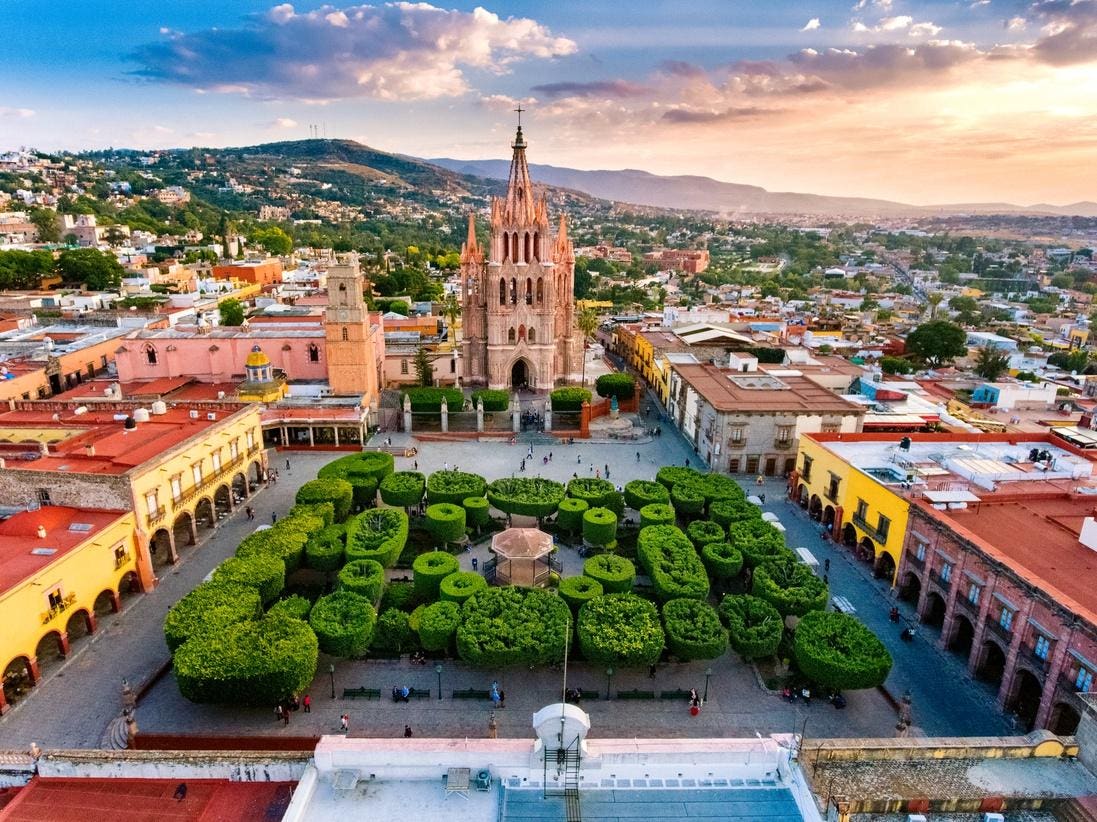
Let’s take a journey through the sun-drenched beaches of Los Cabos, the lush jungles of Riviera Maya, and the cobblestone charm of San Miguel de Allende, where a new wave of hospitality is blending opulence with conscience. And yes, you can still sip your mezcal by the pool—just know that the agave was likely grown by a local cooperative, and your glass might be recycled from last night’s fiesta.
From Cookie-Cutter to Culture-First: The Evolution of Mexican Luxury
Luxury travel in Mexico has undergone a metamorphosis worthy of a Monarch butterfly. In the 1990s, the country’s tourism model was built on mass-market, all-inclusive resorts—think Cancún’s mega-hotels and the “one-size-fits-all” approach. But as travelers’ tastes evolved, so did Mexico’s hospitality industry.
According to a recent report, Luxury tourism in Mexico in 2025 stands out for innovation and sustainability, with investment in luxury hotels growing by 50% in 2024 alone. The market is projected to reach a dazzling US$3.2 billion by 2033, with over 263 new hotel projects in the pipeline. But the real story isn’t just about numbers—it’s about a shift in mindset.
As one industry leader put it:
The evolution of luxury is no longer focused only on monetary value, but on creating personalized and sustainable experiences that connect travelers with the local culture and environment.
GAYA spokesperson, E&N magazine
Gone are the days of generic luxury. Today’s high-end travelers crave authenticity, connection, and a sense of purpose. They want to learn to cook mole with an abuela in Oaxaca, meditate in a cenote at sunrise, or join a conservation project protecting sea turtles in Baja California.
Wellness, Wow-Factor, and the Wisdom of Nature
Wellness tourism is booming in Mexico, growing at an annual rate of 13% and ranking the country seventh globally for wellness travel. Resorts like Rosewood Mayakoba and Viceroy Los Cabos offer more than just massages—they deliver holistic experiences rooted in local tradition, from temazcal ceremonies to yoga on the beach.
The focus is on leaving guests better than they arrived, both physically and emotionally. As the Global Wellness Institute projects, the wellness tourism market will hit USD 1.1 trillion by 2025. Mexico’s luxury hotels are at the forefront, integrating world-class spas, organic cuisine, and even advanced therapies like infrared saunas and IV drips.
But perhaps the most luxurious amenity of all? The chance to reconnect with nature. Many resorts now feature vertical gardens, terraces with native vegetation, and outdoor spaces designed to immerse guests in the landscape. It’s not just about the view—it’s about feeling the heartbeat of Mexico beneath your feet.
Sustainability: The New Status Symbol
If you think eco-friendly means sacrificing comfort, think again. Mexico’s top resorts are proving that sustainability and luxury can go hand in hand—like lime and tequila.
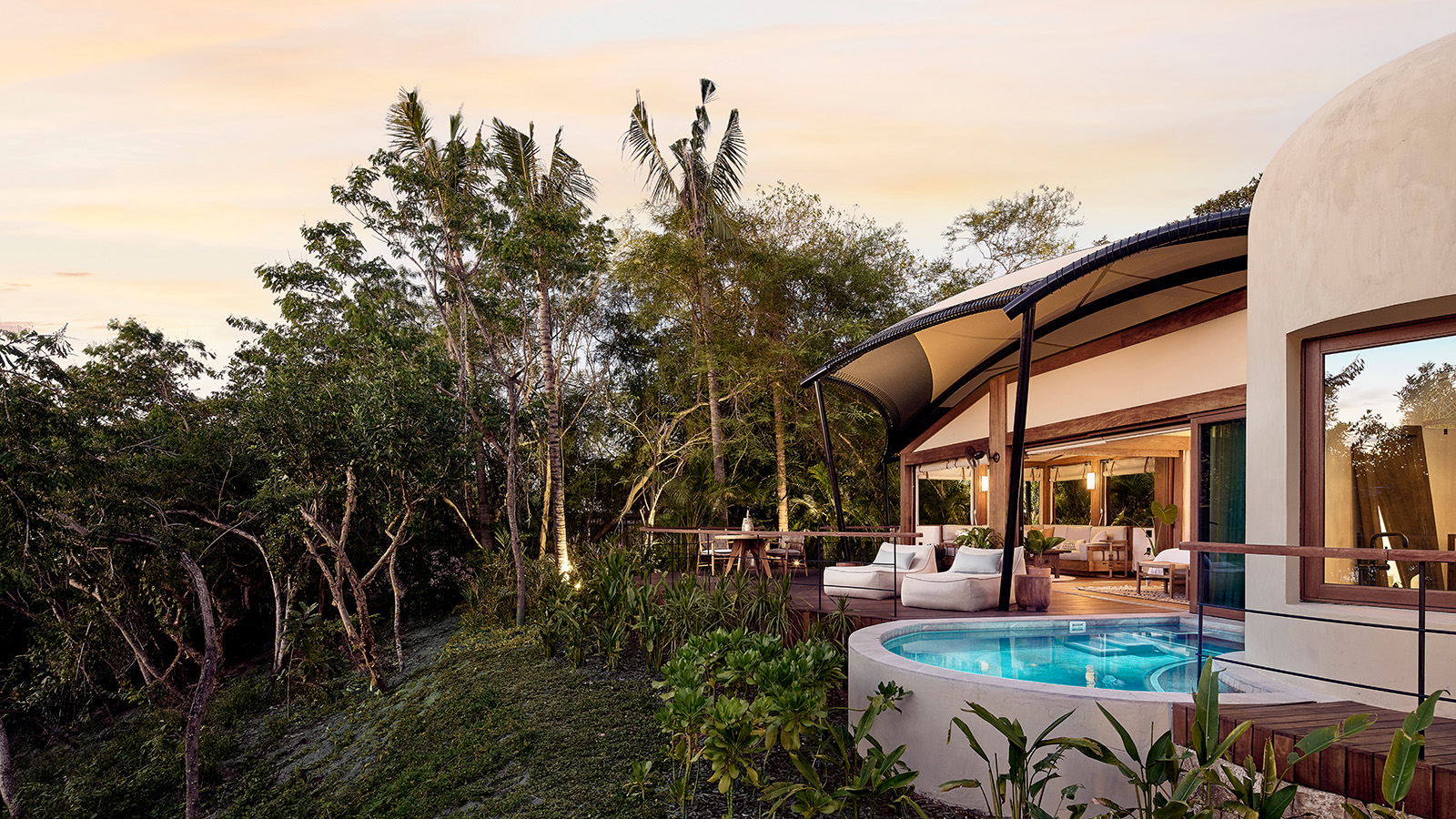
Hotels such as Chablé Yucatán and One&Only Mandarina have adopted sustainable operating models, integrating ecological architecture, plastic reduction, and flora and fauna conservation programs. In Riviera Maya and Los Cabos, new developments are earning environmental certifications that guarantee a reduced impact on fragile ecosystems.
As reported by Hermosillo, Sustainability has moved from being an optional feature to a core expectation in luxury hospitality.
Innovations include modular hotels with self-sufficient energy systems, predictive technology to minimize energy waste, and community-based programs that support local artisans and farmers.
Here’s a taste of what’s happening:
| Trend | Example in Mexico | Impact |
|---|---|---|
| Eco-Architecture | Chablé Yucatán, Mandarina | Reduced energy use, habitat protection |
| Local Sourcing | Farm-to-table dining, artisan décor | Economic uplift for communities |
| Renewable Energy | Solar panels, BMS tech in new resorts | Lower carbon footprint |
| Community Programs | Indigenous-led tours, craft workshops | Cultural preservation, job creation |
As Andrés Martínez, CEO of the Mexican Caribbean Tourism Board, said at the launch of their new advisory board:
By bringing together top industry leaders from the U.S. and Mexico, we are shaping a strategy that meets the expectations of travelers seeking authenticity, culture, luxury, and unforgettable experiences.
Andrés Martínez, CEO of the Mexican Caribbean Tourism Board
Seamless, Smart, and Sensational: The Tech Behind the Tranquility
Luxury in 2026 isn’t just about thread counts and ocean views—it’s about seamless connectivity and personalized service. According to The Ritz Herald, Luxury is no longer about excess—it is about ease. Guests expect everything to work like a well-oiled mariachi band: reservations confirmed, transportation smooth, and experiences accessible at the tap of a screen.
Behind the scenes, resorts are deploying Building Management Systems (BMS) to optimize energy use, AI-powered assistants for real-time recommendations, and mobile apps that let guests control everything from lighting to spa bookings. Augmented and virtual reality tools allow travelers to preview their suites or plan their adventures before they even pack their maletas.
And let’s not forget the human touch. As one developer told Travel and Tour World:
Travelers are looking for opportunities to do more immersive traveling and connecting with and interacting with the local culture, community, artisans, chefs, traditions, and activities.
Pavlus Travel
Authenticity Over All-Inclusive: Ditching the Clichés
Perhaps the most exciting trend is the move away from cookie-cutter luxury. Resorts like Four Seasons Punta Mita and Waldorf Astoria Los Cabos Pedregal are ditching the clichés, offering guests a chance to dive deep into Mexico’s heritage. Think private tequila tastings that explore the spirit’s indigenous roots, or guided tours of Huichol villages where you can learn about ancient beadwork traditions.
United Airlines has responded to this demand by increasing direct flights from major U.S. cities to Mexico’s cultural hotspots, making it easier than ever to swap your office chair for a hammock in Tulum or a rooftop in Mexico City.
The result? A new kind of luxury that feels both elevated and grounded—refined, but never removed from the real Mexico.
The Ripple Effect: How Responsible Luxury Uplifts Communities
It’s not just travelers who benefit from this new wave of hospitality. The expansion of luxury tourism in Mexico is generating employment, promoting local economic growth, and supporting cultural preservation. From the agave farmers of Jalisco to the artisans of San Miguel de Allende, entire communities are finding new opportunities in the luxury sector.
According to CBRE, over 50% of investors have contemplated increasing their contributions in the hotel sector, with the most attractive markets being Los Cabos, Punta Cana, the Tulum-Cancun Corridor, and Punta Mita/Riviera Nayarita. More than 90% perceive resorts as the most profitable locations, outperforming other real estate assets.
But the real value isn’t just in profits—it’s in the partnerships. Many resorts now collaborate with local NGOs, fund conservation projects, and offer guests the chance to participate in community initiatives. It’s luxury with a heart, and it’s changing the narrative of what travel can achieve.
A Look Back: How Far We’ve Come
Let’s zoom out for a moment. Since the 1990s, Mexican tourism has evolved from mass-market coastal resorts to a diversified, sustainability-oriented sector. The shift has been driven by changing traveler expectations, policy reforms, and a growing recognition that true luxury is about more than just comfort—it’s about connection, responsibility, and leaving a positive mark.
Historical milestones include the rise of ecotourism in places like the Monarch Butterfly reserves, the restoration of historic haciendas, and the implementation of national sustainability policies. Local communities and private foundations have played a growing role, ensuring that tourism benefits everyone, not just a privileged few.
Hasta la Vista
So, can luxury travel be responsible? In Mexico, the answer is a resounding sí. The country’s new hospitality wave is proving that indulgence and integrity can go hand in hand—like salsa and chips, or a sunset and a margarita.
Whether you’re dreaming of a wellness retreat in the Riviera Maya, a cultural deep-dive in Oaxaca, or a tech-savvy escape in Los Cabos, Mexico invites you to experience luxury that uplifts, inspires, and gives back.
Ready to feel the sun on your skin and the spirit of Mexico in your soul? The next chapter of responsible luxury is being written right now—one mezcal toast, one artisan workshop, one unforgettable journey at a time.
Hasta la próxima, viajeros. The future of luxury is here—and it’s more Mexican, more meaningful, and more magical than ever.