
Museums as Portals, Not Checklists
For travelers in Mexico, museums are often seen as a list of must-sees—the National Museum of Anthropology, Frida Kahlo’s Casa Azul, the Palacio de Bellas Artes. Yet with nearly 1,500 museums across the country and more than 170 in Mexico City alone, the real challenge is not how many you can visit, but how to choose those that will help you understand where you are. Museums in Mexico are not simply repositories of artifacts; they are living documents of national identity, political change, and cultural negotiation. To choose wisely is to travel with context, not just curiosity.
- Museums as Portals, Not Checklists
- How Museums Became Central to Mexican Identity
- Geography and Urban Form: Why Museums Are Where They Are
- What Museums Represent: Beyond Artifacts and Art
- How to Choose: Context, Sequence, and Personal Interest
- What Museums Can and Cannot Do
- Museums, Tourism, and Economic Development
- Pluralism, Community, and the Future of Museums
- How to Approach Museums in Mexico
- Further Reading and Resources
- Museums as Anchors for Understanding
How Museums Became Central to Mexican Identity
The story of museums in Mexico is inseparable from the country’s search for identity. After independence in 1821, the new nation sought to distinguish itself from its colonial past. The founding of the Museo Nacional Mexicano in 1825 marked the beginning of a project to collect and display the country’s pre-Hispanic and colonial heritage. Early museums were as much about legitimizing the nation as they were about preserving objects.
During the Porfiriato (late 19th–early 20th century), modernization and European influence led to the expansion of museums as symbols of progress. Yet it was the aftermath of the Mexican Revolution that truly transformed these institutions. The state invested in museums as tools for unifying a diverse population, promoting a mestizo identity that embraced both indigenous and European roots. Artists like Diego Rivera and David Alfaro Siqueiros used museum walls as canvases for revolutionary ideals.
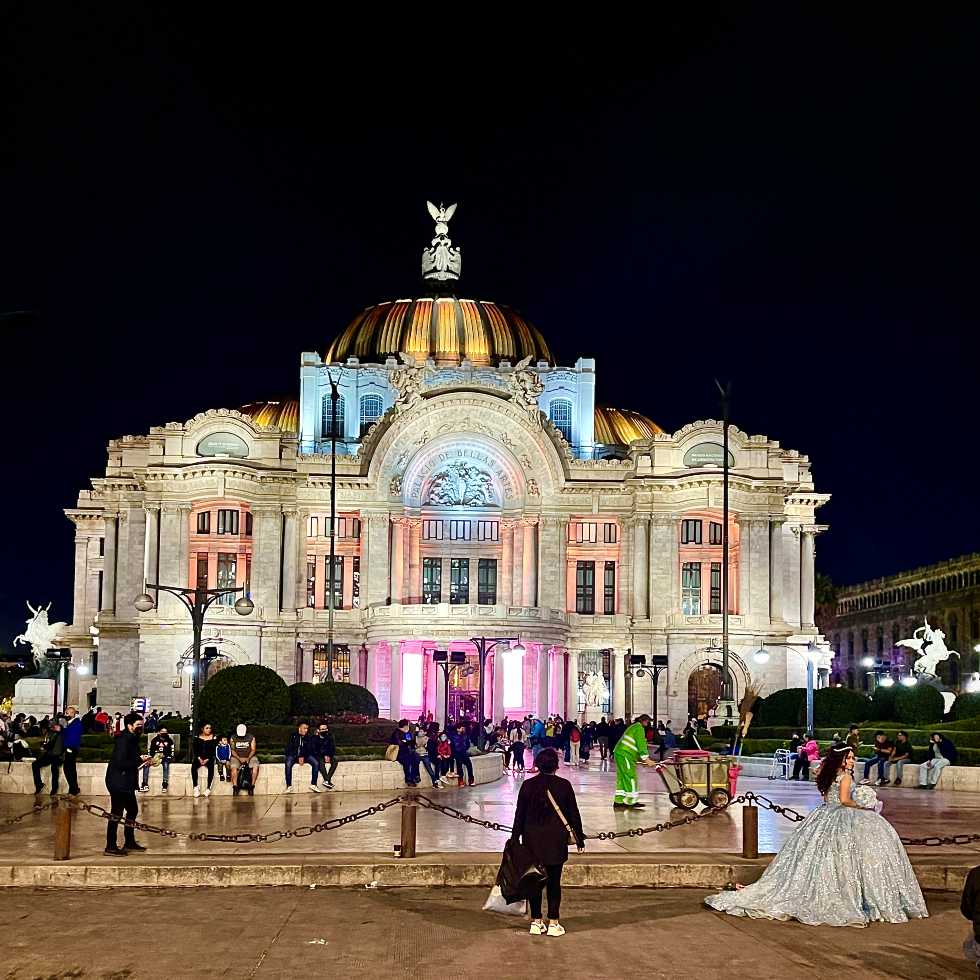
The creation of the Instituto Nacional de Antropología e Historia (INAH) in 1939 and the opening of the National Museum of Anthropology in 1964 marked a new era of professionalization and state involvement. These institutions set the standard for how Mexico’s past would be interpreted and presented, both to its citizens and to the world.
Museums in Mexico have always been more than collections—they are spaces where the meanings of ‘Mexican-ness’ are displayed, debated, and reimagined.
Dr. Felipe Solís, former Director, Museo Nacional de Antropología
Geography and Urban Form: Why Museums Are Where They Are
The concentration of museums in Mexico City is not accidental. As the political and cultural capital, the city has long been the stage for national narratives. Chapultepec Park, for example, is home to the National Museum of Anthropology, the Museum of Modern Art, and the Tamayo Museum, all within walking distance. This clustering reflects a deliberate effort to make culture accessible and to anchor national memory in the urban landscape.
Other cities, such as Oaxaca, Puebla, and Guadalajara, have developed their own museum networks, often focused on regional history, folk art, or specific periods. The location of a museum—whether in a colonial palace, a modernist structure, or a repurposed hacienda—often tells as much about the evolution of Mexican society as the exhibits inside.
What Museums Represent: Beyond Artifacts and Art
Choosing a museum in Mexico is not just about the subject matter—archaeology, art, history—but about what the institution represents in the ongoing conversation about identity and memory. The National Museum of Anthropology, for example, is not only a collection of ancient objects but a statement about the continuity and diversity of Mexican civilization. The Museo de Arte Popular celebrates the creativity of artisans from across the country, challenging the boundaries between “high” and “folk” art.
Newer institutions, such as the Memory and Tolerance Museum, reflect a shift toward pluralism and social engagement, addressing issues of human rights and collective memory. These museums invite visitors to reflect on contemporary challenges as much as on historical achievements.
How to Choose: Context, Sequence, and Personal Interest
Given the abundance of options, how should travelers decide which museums are worth their time? The answer lies in context and sequence, not quantity. Begin by considering what you want to understand about Mexico—its ancient civilizations, colonial history, revolutionary art, or contemporary society. Then, select museums that offer depth in those areas, ideally in a sequence that builds understanding.
For example, a visit to the National Museum of Anthropology provides a foundation for interpreting archaeological sites such as Teotihuacan or Monte Albán. Exploring the Museo de Arte Popular before visiting local markets can deepen appreciation for the living traditions of Mexican craft. The Frida Kahlo Museum (Casa Azul) is best understood not as a shrine to an individual, but as a window into the artistic and political ferment of 20th-century Mexico.
It’s not about seeing as much as possible, but about seeing with understanding. Museums are anchors for memory, not just stops on an itinerary.
Instituto Nacional de Antropología e Historia (INAH)
What Museums Can and Cannot Do
While museums offer invaluable orientation, they are not substitutes for lived experience. Exhibits are curated narratives, shaped by institutional priorities and historical context. Some museums, especially those established in the 20th century, reflect a nationalist vision that may overlook regional diversity or contemporary realities. Others, particularly newer institutions, may focus on specific themes at the expense of broader context.
Travelers should approach museums as starting points for exploration, not as definitive accounts. Combining museum visits with walks through neighborhoods, markets, and public spaces allows for a more nuanced understanding of place.
Museums, Tourism, and Economic Development
Museums in Mexico are not only cultural institutions but also drivers of tourism and local economies. Major museums attract millions of visitors annually, supporting jobs and ancillary businesses. Government policies, such as free admission days and educational programs, aim to broaden access and foster community engagement.
The rise of digital platforms and online ticketing has made museums more accessible to international visitors, while partnerships with global institutions have increased the visibility of Mexican heritage abroad. However, the sustainability of museums depends on ongoing investment, professionalization, and responsiveness to changing social needs.
Pluralism, Community, and the Future of Museums
In recent years, Mexican museums have embraced greater pluralism, reflecting the country’s multicultural reality. Exhibitions increasingly highlight the voices of indigenous communities, women, and marginalized groups. Community-based museums and temporary exhibitions address contemporary issues, from migration to environmental change.
The challenge for the future is to balance the preservation of heritage with the need for innovation and inclusivity. As Mexico continues to evolve, its museums will remain vital spaces for dialogue, reflection, and understanding.
How to Approach Museums in Mexico
- Prioritize museums that align with your interests and offer depth, not just breadth.
- Consider the historical and urban context of each institution—what does its location and architecture tell you?
- Use museums as frameworks for interpreting what you see elsewhere in the city or region.
- Allow time for reflection; avoid rushing from one museum to another.
- Supplement museum visits with walks, guided tours, or conversations with locals for a fuller picture.
Further Reading and Resources
- Your expert guide to the best museums In Mexico (MexicoCassie.com)
- 10 Best Museums in Mexico City You Shouldn’t Miss (The Creative Adventurer)
- 19 Best Museums in Mexico City for Thousands of Years of … (Condé Nast Traveler)
- The Best (And Worst!) Museums in Mexico City (Abroad With Ashley)
- 10 MUST Visit Museums In Mexico City CDMX Travel Guide (YouTube)
Museums as Anchors for Understanding
In Mexico, museums are not simply attractions—they are anchors for understanding a country shaped by centuries of change, negotiation, and creativity. To choose what’s worth your time is to choose what you want to understand. With context, patience, and curiosity, museums become more than stops on a map; they become keys to interpreting the living layers of Mexico itself.