
The Jungle’s Table: Where Tradition Meets Tomorrow
If you close your eyes and listen, you might just hear it: the sizzle of fresh fish on a wood-fired grill, the laughter of friends sharing panuchos in a bustling mercado, the gentle hum of the Caribbean beyond a candlelit terrace. This is Riviera Maya today—a place where food is not just sustenance, but a passport to memory, culture, and innovation. But how did this sun-drenched stretch of Mexico’s Caribbean coast transform from sleepy fishing villages and humble taquerías into a global dining hotspot, where Michelin stars glimmer alongside ancient Mayan recipes?
- The Jungle’s Table: Where Tradition Meets Tomorrow
- Ancient Flavors, Modern Palates
- The All-Inclusive Revolution: Buffets to Bespoke
- Michelin Stars and the Rise of Culinary Icons
- Beyond the Resorts: Street Food, Cenote Suppers, and Underground Wonders
- The Human Stories: From Abuelas to Award-Winners
- Business Insights: Food as the New Tourism Engine
- Sustainability and the Future: Eating with Heart
- Taste the World, One Taco at a Time
Let’s pull up a chair and savor the story.
Ancient Flavors, Modern Palates
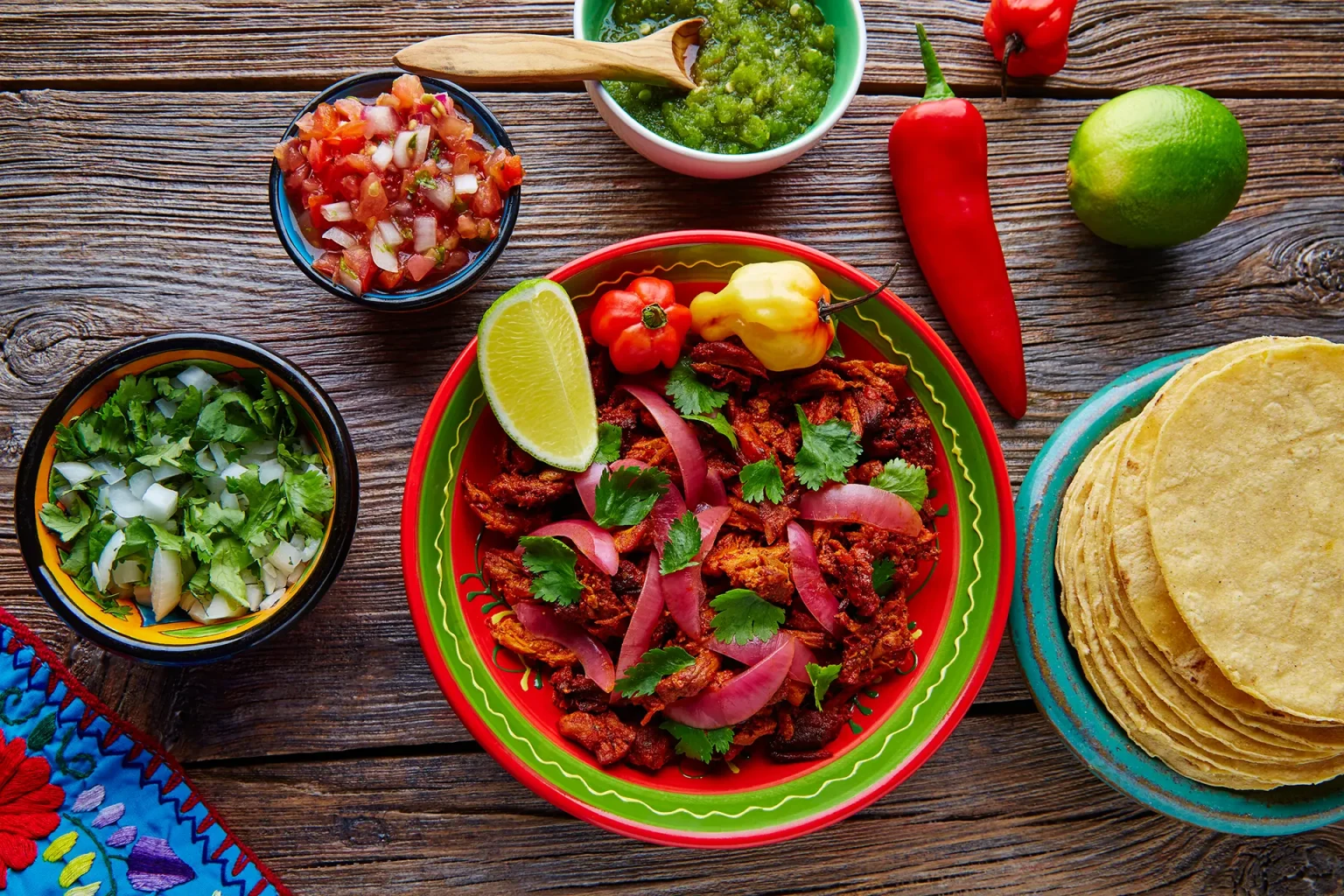
Long before the first luxury resort set its foundations in the sand, the Riviera Maya’s culinary soul was shaped by the Maya. Corn, cacao, achiote, honey, and fiery habanero chiles—these ingredients have been the backbone of local cuisine for centuries. Dishes like cochinita pibil, slow-roasted pork marinated in achiote and citrus, and tikin xic, snapper grilled in banana leaves, are more than recipes; they’re rituals, connecting generations through flavor and fire.
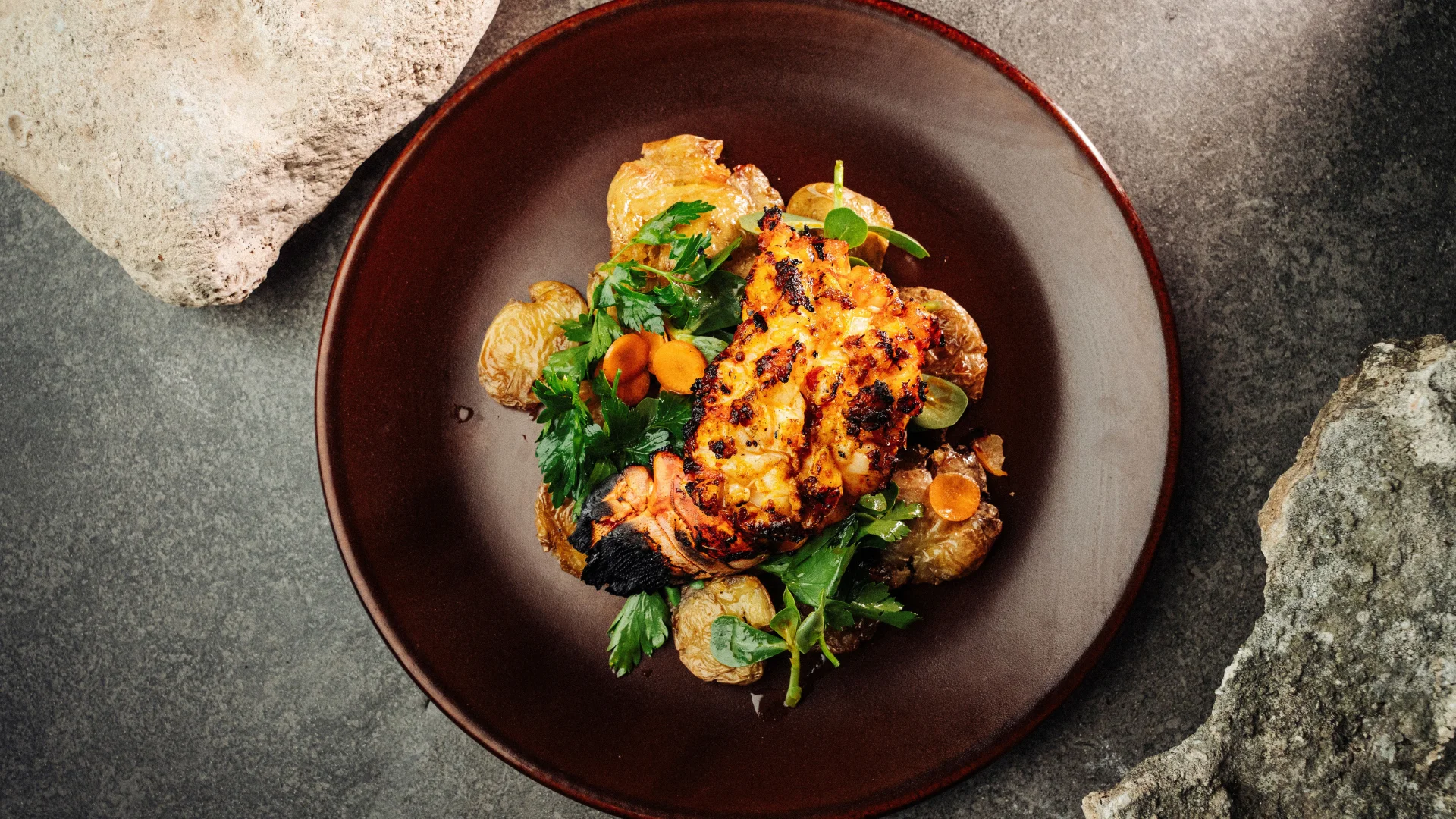
Each dish carries history, each ingredient reflects the land, and each flavor deepens the travel experience.
(Source)
But the real magic began when these ancestral flavors met the world’s appetite for discovery.
The All-Inclusive Revolution: Buffets to Bespoke
In the 1990s and early 2000s, Riviera Maya’s coastline was transformed by the rise of all-inclusive resorts. At first, these were places of endless buffets and “international nights”—think spaghetti one day, tacos the next, and a lot of mystery meat. But as global travelers grew more discerning, so did the resorts. Suddenly, food was no longer an afterthought; it was the main event.
Today, resorts like Grand Velas Riviera Maya and Hotel Xcaret Mexico boast not just multiple restaurants, but culinary playgrounds helmed by world-class chefs. The days of “just another buffet” are long gone. Instead, guests can embark on tasting menus that rival those in Paris or Tokyo—without ever leaving the jungle.
Those days of simple buffet lines have been replaced by sophisticated amenities such as personalized butler service and elegant Bali beds. But the most significant change is in the culinary programs, with three all-inclusive resort restaurants in Mexico now boasting Michelin stars.
(Source)
Michelin Stars and the Rise of Culinary Icons
The ultimate stamp of approval? The Michelin Guide. In 2024, Riviera Maya made headlines when three of its resort restaurants—Cocina de Autor at Grand Velas, Le Chique at Azul Beach Resort, and Ha’ at Hotel Xcaret—earned coveted Michelin stars. Suddenly, the region wasn’t just competing with Mexico City or Oaxaca; it was on the world stage.
- Cocina de Autor: Celebrated for its creative, ever-changing menus spotlighting local ingredients—think spider crab with jackfruit, or honey from on-site Melipona beehives.
- Le Chique: Known for experimental gastronomy, where foie gras parfait meets passion fruit and bone marrow is bruléed with escamoles.
- Ha’: A fusion of French technique and Mexican soul, with dishes like mushroom beignets and filet mignon topped with house-cured ikura.
These aren’t just meals; they’re performances, each plate a love letter to the region’s bounty.
Beyond the Resorts: Street Food, Cenote Suppers, and Underground Wonders
Of course, the Riviera Maya’s food scene isn’t confined to white tablecloths and tasting menus. Some of the most unforgettable bites are found in the humblest settings: a roadside stand in Tulum serving panuchos stuffed with beans and topped with pickled onions; a ceviche shack in Puerto Morelos where the fish was swimming that morning; or Alux, a restaurant set inside a 10,000-year-old cave, where every meal feels like a secret.
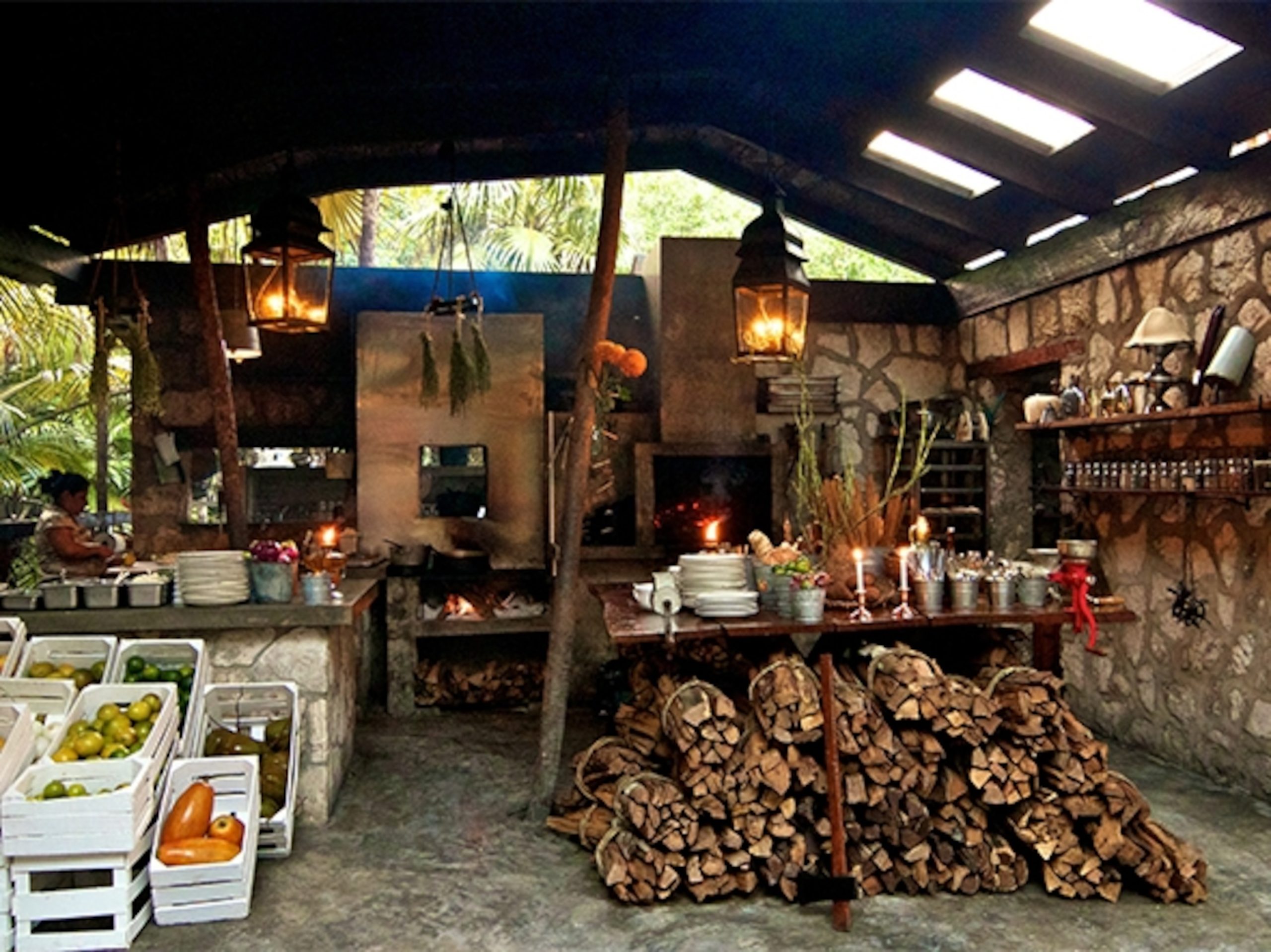
And let’s not forget the innovators—chefs who blend tradition with global flair. At Hartwood in Tulum, the menu changes daily, dictated by what local fishermen and farmers bring to the door. At Mayakoba’s Haab, guests dine under the stars, surrounded by jungle, as ancestral Mayan recipes are brought to life with storytelling and song (Source).
The Human Stories: From Abuelas to Award-Winners
What truly sets Riviera Maya apart isn’t just the food—it’s the people behind it. Many of today’s celebrated chefs grew up learning from their abuelas, perfecting masa by hand or tending backyard beehives. Others arrived from abroad, drawn by the region’s creative energy and the promise of culinary freedom.
Take the story of a Mayan grandmother in Valladolid, whose cochinita pibil recipe is now served at a five-star resort. Or the young chef from Oaxaca who, after training in Europe, returned to Mexico to open a restaurant that fuses mole with Mediterranean seafood. Their journeys are as rich and layered as the dishes they create.
The area is full of unique food and tastes from around the world and accomplished chefs, including acclaimed Michelin-starred chefs, announcing their creations at your table.
(Source)
Business Insights: Food as the New Tourism Engine
The numbers tell a delicious story. According to historical tourism data, international visitor arrivals to Mexico have soared since the 1990s, with the Riviera Maya consistently ranking among the top destinations. Hotel occupancy rates remain high, and the economic impact of culinary tourism is undeniable. In fact, food is now one of the top motivators for travel to the region, rivaling even the beaches and ruins.
| Year | International Visitors to Mexico (millions) | Riviera Maya Hotel Occupancy (%) | Michelin-Starred Restaurants |
|---|---|---|---|
| 1995 | 20.5 | 55 | 0 |
| 2010 | 22.4 | 70 | 0 |
| 2024 | 38.3 | 82 | 3 |
Source: INEGI, SECTUR, Michelin Guide Mexico
What’s driving this boom? A perfect storm of factors: the rise of luxury travel, the global obsession with authentic experiences, and a new generation of chefs who see food as both heritage and art. Resorts now compete not just on pools and spas, but on who can land the next big-name chef or create the most Instagrammable dish.
Sustainability and the Future: Eating with Heart
With great fame comes great responsibility. The Riviera Maya’s leading chefs and hoteliers are increasingly focused on sustainability—sourcing ingredients locally, supporting small producers, and reducing waste. Many resorts now feature on-site gardens, beehives, and partnerships with local fishermen. Cooking classes and pop-up dinners in cenotes or jungle clearings invite guests to connect with the land and its people.
Mexican fine dining is no longer limited to simply reinterpreting recipes of the past; now it honors ingredients through contemporary techniques and a vision that values creativity as much as tradition. Here, every dinner is a bridge between the ancestral and the innovative.
(Source)
Taste the World, One Taco at a Time
So, what does it feel like to dine in Riviera Maya today? Imagine a table where a Michelin-starred tasting menu sits comfortably alongside a plate of street tacos, where the air smells of wood smoke and lime, and every bite tells a story of migration, memory, and hope. It’s a place where food is both a celebration and a homecoming—a reminder that, in Mexico, the best meals are those shared with others.
Whether you’re a seasoned foodie, a curious traveler, or someone who just loves a good taco, the Riviera Maya is waiting to welcome you to its table. Buen provecho—and see you under the palms.