
The Pacific’s Best-Kept Secret for Design Lovers, Foodies, and Slow Travelers
If you think paradise is just a postcard cliché, you haven’t wandered the wild, artful, and delicious coastline of Riviera Nayarit. Here, the Pacific doesn’t just meet the jungle—it flirts with it, weaving together a tapestry of design, flavor, and slow travel that’s as irresistible as a plate of chilaquiles at sunrise. For those who crave more than just sun and sand—who want to savor, linger, and be inspired—Riviera Nayarit is Mexico’s answer to your wildest travel dreams.
- The Pacific’s Best-Kept Secret for Design Lovers, Foodies, and Slow Travelers
- From Fishing Villages to Design Icons: A Story of Thoughtful Growth
- Design That Breathes: Where Architecture and Nature Dance
- A Culinary Playground: From Beachfront Tacos to Cliffside Tapas
- Slow Travel, Fast Friendships: The Art of Lingering
- Business Insights: Quality Over Quantity, Always
- Human Stories: Where Every Traveler Becomes a Local
- Hasta la Vista
From Fishing Villages to Design Icons: A Story of Thoughtful Growth
Unlike the turbocharged development of Cancún or Los Cabos, Riviera Nayarit’s evolution has been a masterclass in patience and preservation. Since the 1990s, this stretch of coastline has resisted the siren call of high-rise sameness, instead nurturing its fishing villages—Sayulita, San Pancho, and Punta Mita—into havens for artists, surfers, and seekers of authenticity. The result? A region where boutique hotels blend seamlessly with palm groves, and every cobblestone seems to whisper a story.
The new wave of luxury here isn’t about excess; it’s about experience. Take the Rosewood Mandarina, a resort that’s redefining barefoot luxury by fusing Huichol and Cora artistry with volcanic stone, hardwoods, and woven textiles. As one guest described their arrival:
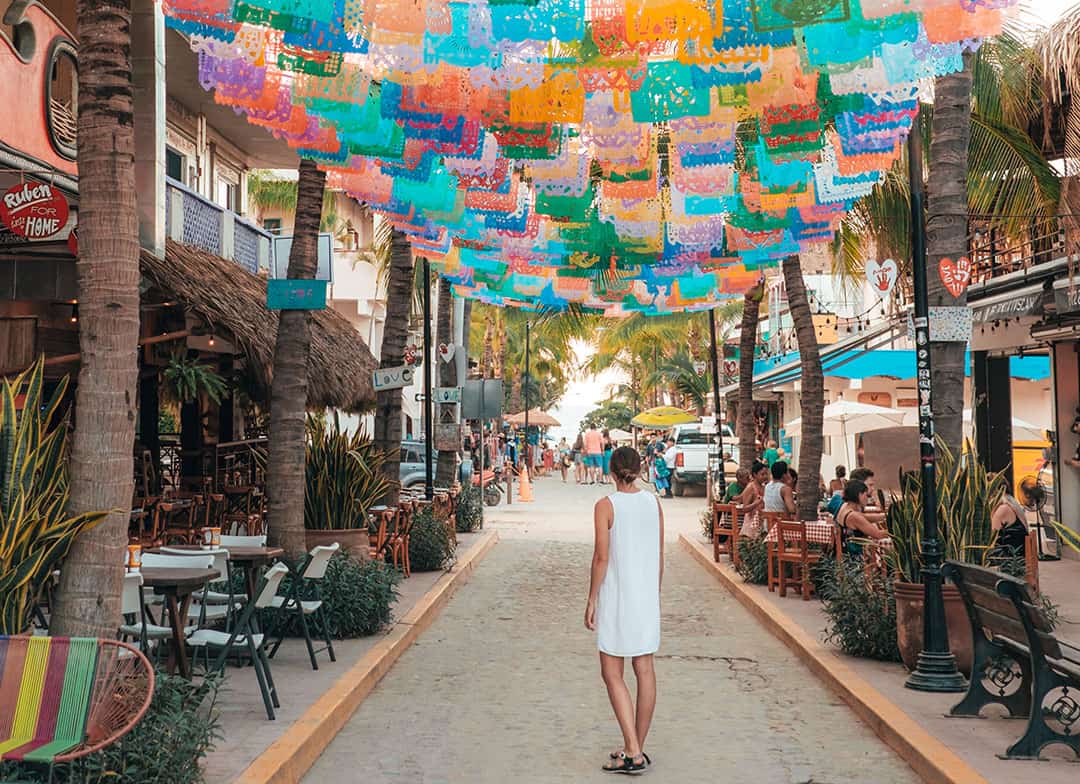
The lobby’s aesthetic was a masterful storytelling of its surroundings, weaving together modern luxury with the rich cultural heritage of the Huichole and Cora communities.
Design That Breathes: Where Architecture and Nature Dance
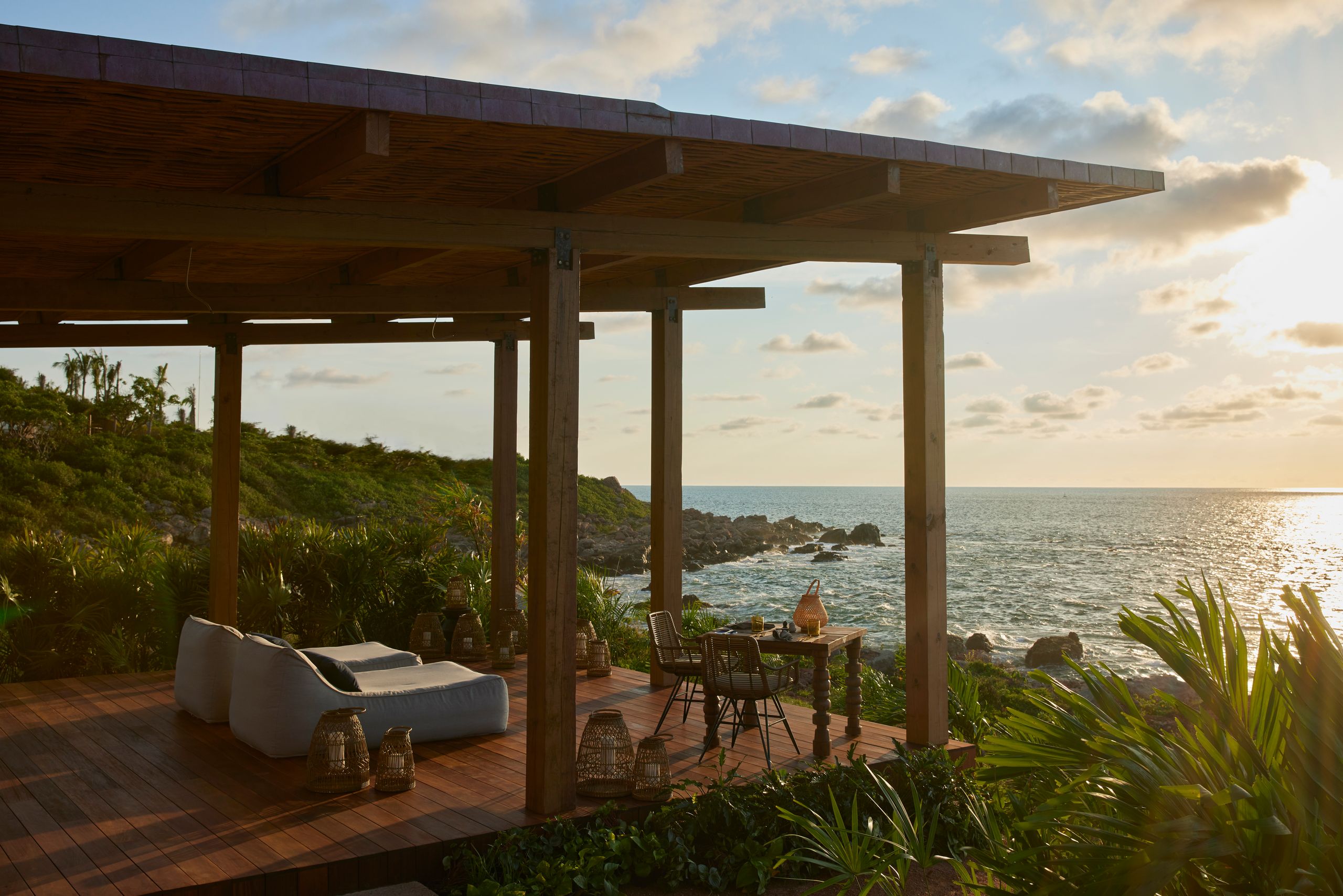
For design lovers, Riviera Nayarit is a living gallery. The region’s most celebrated resorts—like Rosewood Mandarina and One&Only Mandarina—aren’t just places to sleep; they’re immersive works of art. Imagine open-air lobbies framed by the Sierra del Vallejo mountains, where hand-woven jute ropes spiral around beams and rattan furniture invites you to linger. Every suite comes with a private plunge pool and terraces that blur the line between indoors and out, so you can watch the sun melt into the Pacific without ever leaving your hammock.
The design philosophy here is simple: let nature lead. Accommodations are tucked into jungle cliffs, perched above the ocean, or nestled along secluded beaches like Canalan, where the only soundtrack is the rustle of palms and the distant call of a chachalaca. As Vogue recently put it,
There is no dearth of beautiful locales in Mexico, but Mandarina offers something different… On the 565-acre resort complex that comprises it alone there are three distinct topographies, with distinct accommodation options to match: flatland, jungle-inflected cliffside, and Canalan beachfront.
A Culinary Playground: From Beachfront Tacos to Cliffside Tapas
Let’s talk food—because in Riviera Nayarit, every meal is a celebration. The region’s culinary scene has blossomed alongside its design revolution, with chefs drawing inspiration from the Pacific’s bounty and the traditions of Nayarit’s Indigenous communities. At Rosewood Mandarina, you might start your day with banana bread and fresh fruit, then wander barefoot to La Cocina for black bean tacos served on the sand. Craving something more adventurous? Buena Onda plates up Spanish tapas in a hidden cove, while Toppu offers Japanese fine dining with panoramic jungle views.
What sets Riviera Nayarit apart is its devotion to local ingredients and slow food. Here, you’ll find ceviche made from just-caught shrimp, tortillas pressed by hand, and mezcal distilled with ancestral methods. Even vegetarians are spoiled:
I expect to be limited to the appetizer section because I don’t eat meat or shellfish, but the concierge has called ahead, and an artichoke- and mushroom-studded vegetarian paella is set down in the middle of the table in front of me. I am still thinking about it, months later.
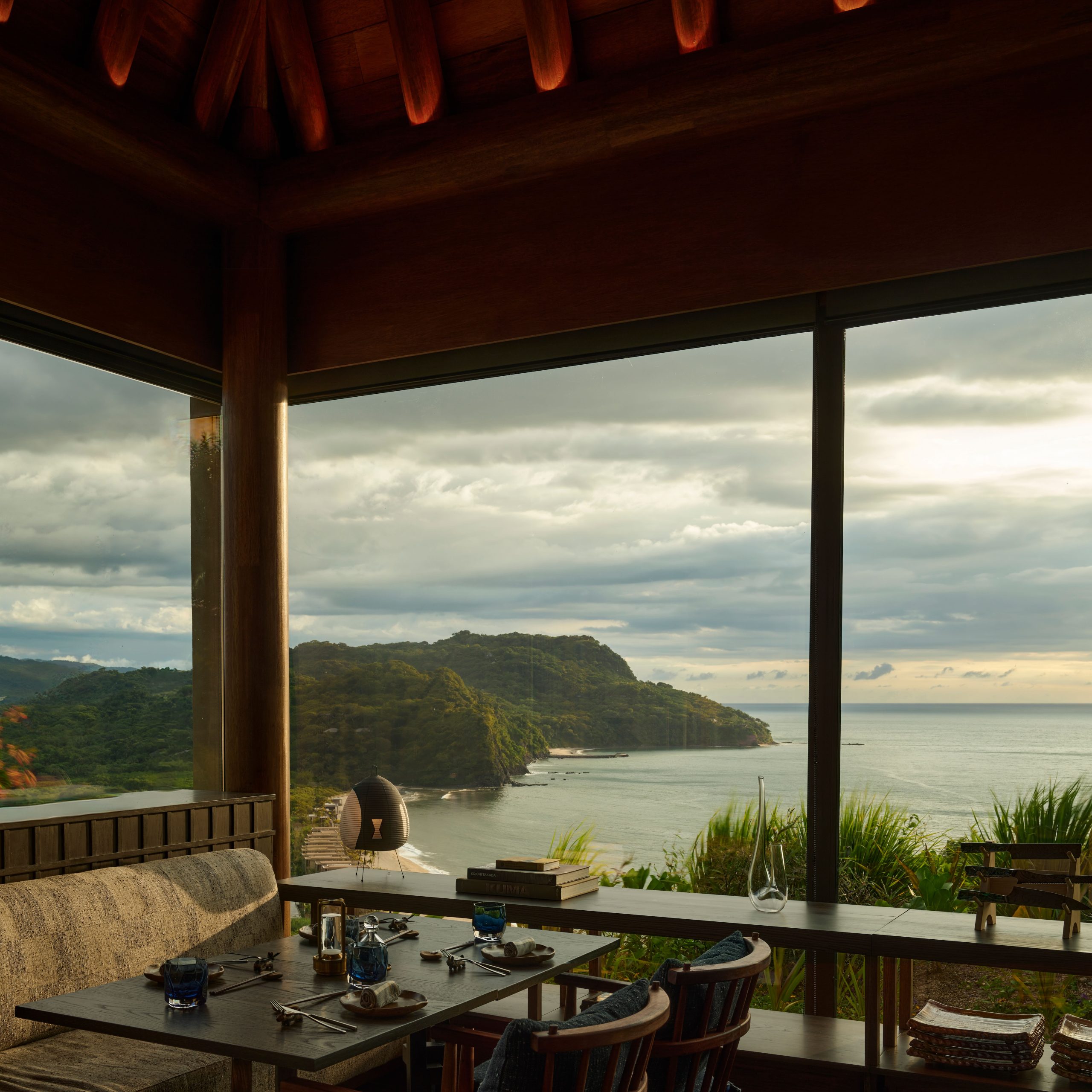
Slow Travel, Fast Friendships: The Art of Lingering
If your idea of a perfect vacation is a checklist of Instagrammable spots, Riviera Nayarit might surprise you. This is a place that rewards the unhurried. Here, slow travel isn’t a trend—it’s a way of life. Spend your mornings wandering through San Pancho’s art galleries, your afternoons learning to surf in Sayulita, and your evenings sipping raicilla with local artisans. The region’s wellness retreats and yoga studios invite you to reconnect with yourself and the land, while eco-tours and turtle conservation projects let you give back to the community.
The pandemic only accelerated this shift toward meaningful, regenerative tourism. As travelers sought space, authenticity, and connection, Riviera Nayarit’s low-density resorts and open-air experiences became the gold standard for post-pandemic travel. The region’s commitment to sustainability—supporting local businesses, preserving natural habitats, and celebrating Indigenous culture—has made it a model for the future of tourism in Mexico.
Business Insights: Quality Over Quantity, Always
Behind Riviera Nayarit’s laid-back vibe is a savvy business strategy: focus on quality, not quantity. While other destinations chase visitor numbers, Nayarit has prioritized boutique development, eco-friendly practices, and community engagement. This approach has paid off, attracting discerning travelers and investors who value authenticity over mass-market appeal.
Historical data shows that since the 1990s, Riviera Nayarit’s tourism growth has been steady but measured, with a strong emphasis on preserving local character and supporting small businesses. The rise of culinary tourism, wellness retreats, and experiential travel has positioned the region as a leader in sustainable tourism—not just in Mexico, but globally.
| Year | Major Milestone | Impact |
|---|---|---|
| 1990s | Slow, organic tourism growth | Preservation of local fishing villages |
| 2000s | Rise of boutique, eco-friendly hotels | Design innovation, sustainability focus |
| 2010s | Culinary tourism & wellness boom | Food festivals, yoga retreats, slow travel |
| 2020s | Regenerative, high-end tourism | Luxury resorts, post-pandemic appeal |
Human Stories: Where Every Traveler Becomes a Local
What truly sets Riviera Nayarit apart are the stories you’ll collect—like learning to cook mole with a grandmother in San Pancho, or stumbling upon a hidden beach where fishermen still mend their nets by hand. It’s the warmth of a butler who greets you with a citrusy Mandarina Heartbeat, the laughter shared over mezcal at sunset, and the friendships forged in the slow rhythm of coastal life.
As one industry leader put it:
The region’s future is seen as dependent on maintaining eco-conscious travel and resisting the pitfalls of overdevelopment that affected other Mexican destinations.
Hasta la Vista
Riviera Nayarit isn’t just a destination—it’s an invitation to live, taste, and create at your own pace. Whether you’re a design lover, a foodie, or a slow traveler, you’ll find your own paradise here, shaped by the hands of artisans, the flavors of the Pacific, and the gentle wisdom of a region that knows the value of taking things slow.
Ready to feel the sun on your skin and the sand between your toes? Explore more about Riviera Nayarit’s design, food, and slow travel revolution:
- Rosewood Mandarina: Luxury Resort in Riviera Nayarit, Mexico (Ourisman Travel)
- At This New Hotel in Mexico’s Riviera Nayarit, You Can Have It All (Vogue)
Let Riviera Nayarit show you how travel can be a force for good—one slow, sun-drenched moment at a time.