Understanding Puerto Peñasco’s Family Appeal
Puerto Peñasco, known to many U.S. families as Rocky Point, has steadily evolved from a quiet fishing village into one of northern Mexico’s most accessible and family-oriented beach destinations. Its proximity to the Arizona border, wide range of accommodations, and relaxed pace make it a practical choice for families seeking sun, sand, and cultural connection without the complexity of long-haul travel. Yet, as with any destination, the real experience for families depends on how well infrastructure, accessibility, and local services align with the needs of children and caregivers. This guide provides a clear, up-to-date look at what families can expect in Puerto Peñasco in 2026, with a focus on accessibility, daily flow, and the realities of planning a trip that works for everyone.
- Understanding Puerto Peñasco’s Family Appeal
- How Puerto Peñasco Became a Family Destination
- Accessibility: What Works and What Still Needs Improvement
- Daily Flow: How a Family Day Unfolds in Puerto Peñasco
- Best Ages for This Destination
- Seasonal Considerations for Families
- Safety, Health, and Practical Planning
- Business Insights: Trends in Family and Accessible Tourism
- Table: Key Features for Family Travelers in Puerto Peñasco
- Planning for a Smooth Family Trip
- Further Reading and Resources
How Puerto Peñasco Became a Family Destination
Since the 1990s, Puerto Peñasco has undergone a significant transformation. Once a remote outpost, it is now a well-developed resort town, with a marked increase in family-friendly hotels, vacation rentals, and organized activities. This growth has been driven by its unique geographic advantage: a four-hour drive from Phoenix or Tucson, making it Arizona’s Beach for generations of families.
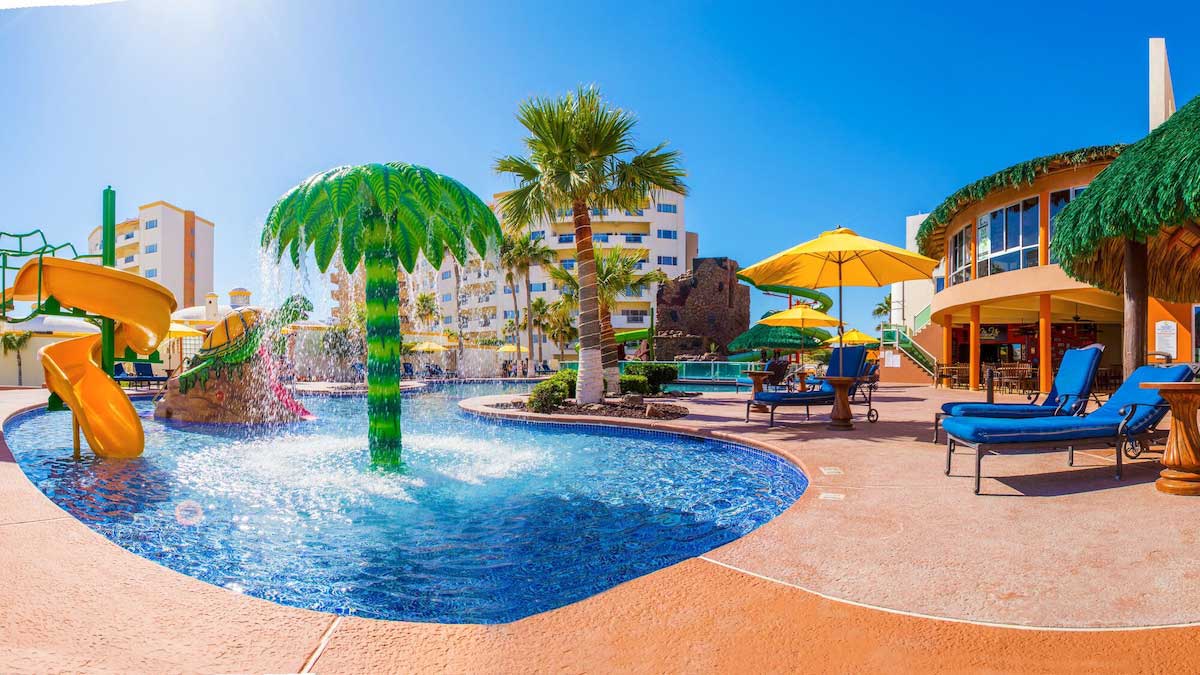
The expansion of resorts along Sandy Beach and Hermosa Beach has brought amenities such as pools, kids’ clubs, and on-site dining, while the town’s compact layout means that most attractions are within a short drive. According to historical tourism data, the 2000s saw a surge in resort construction and a gradual improvement in services for families, though accessibility for travelers with mobility needs has lagged behind more established destinations.
Accessibility: What Works and What Still Needs Improvement
For families traveling with strollers, young children, or relatives with mobility challenges, accessibility is a key concern. In Puerto Peñasco, the picture is mixed:
- Resorts and Rentals: Most modern resorts along Sandy Beach offer elevators, ramps, and family-sized suites. However, as noted in accessibility reviews, truly barrier-free rooms (such as those with roll-in showers or hand-held shower heads) are not universal. It is essential to request detailed information and photos before booking, as accessible features can vary even within the same property.
- Public Spaces and Restaurants: The town center (Malecón) and main shopping avenues have improved sidewalks and some ramps, but steep inclines and occasional steps remain common. Restaurant staff and vendors are generally eager to assist, but independent navigation may be challenging for wheelchair users or those with limited mobility.
- Transport: Puerto Peñasco is primarily a driving destination. Families typically arrive by car, and local taxis or shuttles are available, though not all are equipped for wheelchairs. There is no dedicated accessible public transport system, so families should plan for private vehicle use or confirm accessible taxi options in advance.
A 2016 accessibility review summarized the situation:
ADA compliant ramps that would otherwise allow a manual chair user to push up and down solo were scarce in public areas of Rocky Point. A push up or guided descent were necessary to ensure safety. Even the most ardent among us was willing to sacrifice autonomy and accept an occasional push to get the very best views. While elevators were standard in the resort hotels, they were virtually non-existent throughout the city of Rocky Point.
Ability360 Accessibility Report
While some progress has been made since then, the core advice remains: verify accessibility features directly with your accommodation and plan for some flexibility in public areas.
Daily Flow: How a Family Day Unfolds in Puerto Peñasco
A typical family day in Puerto Peñasco is shaped by the town’s compact geography and relaxed pace. Most families stay in resorts or vacation rentals along Sandy Beach, Hermosa Beach, or in quieter communities like Las Conchas. Here’s what to expect:
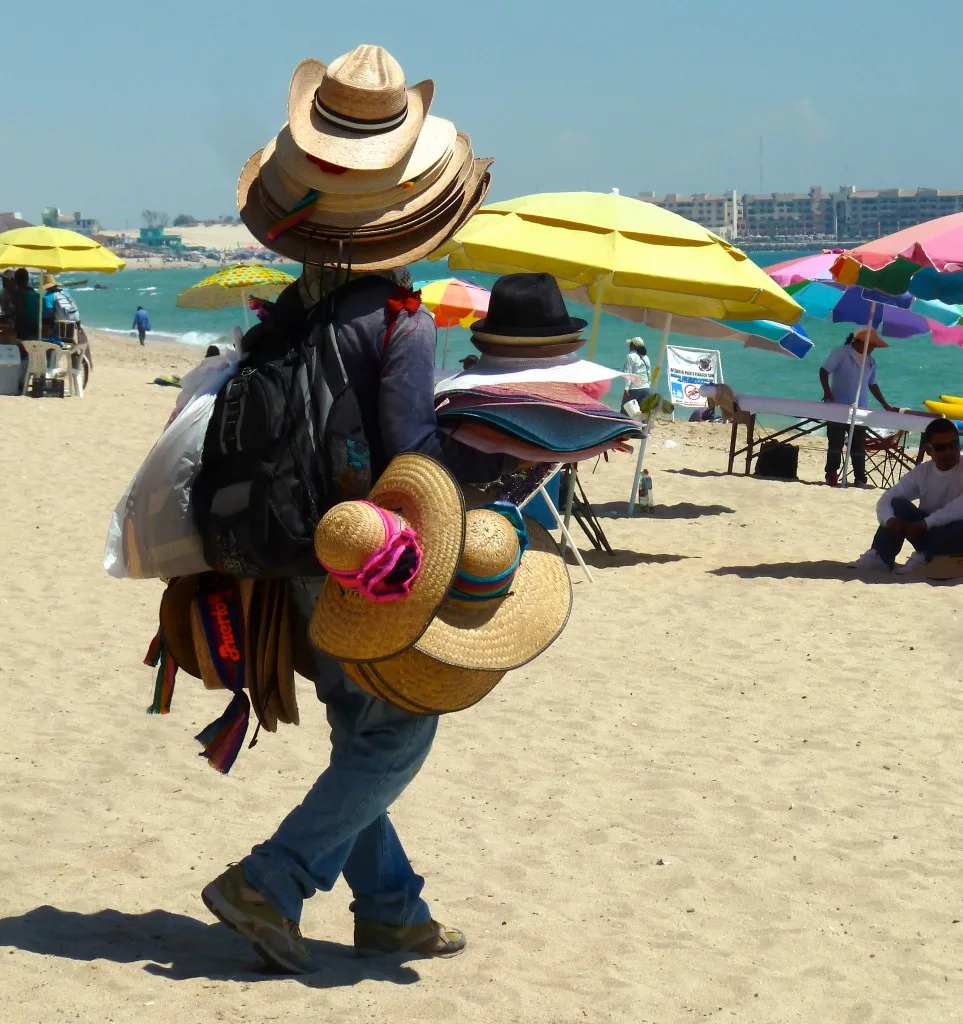
- Morning: Families often start with breakfast in their rental or at a resort buffet, followed by beach time. The beaches are wide, gently sloping, and generally safe for children, with calm waters and minimal rip tides. Vendors offer snacks, drinks, and souvenirs directly on the sand, making it easy to stay put for several hours.
- Midday: As the sun intensifies, many families retreat to pools, shaded patios, or local restaurants. The Malecón offers casual dining and shopping, though it can be crowded during peak weekends and holidays.
- Afternoon: Activities such as banana boat rides, kayaking, or exploring tidal pools are popular. For families with young children, a midday rest or nap is often necessary, as the heat and stimulation can be overwhelming.
- Evening: Dinner options range from beachfront seafood restaurants to casual taco stands. Sunset is a highlight, with panoramic views from patios or the Malecón. Evening strolls are common, but families should be mindful of uneven sidewalks and occasional steps.
Best Ages for This Destination
Puerto Peñasco is well-suited for families with children of all ages, but the experience varies:
- Toddlers and Preschoolers: The gentle beaches and resort pools are ideal, but strollers may be difficult to maneuver in some public areas. Choose accommodations with ground-floor access or elevators.
- School-Age Children: Water sports, ATV rentals, and nature excursions (such as visiting the Pinacate Biosphere Reserve) provide variety. Supervision is important, as some activities (like ATV riding) are best suited for older children.
- Teenagers: The town’s compact size means teens can enjoy some independence, but options for nightlife or teen-specific activities are limited compared to larger resort cities.
Seasonal Considerations for Families
Puerto Peñasco’s climate is generally warm and sunny year-round, but there are important seasonal factors:
- Spring Break and Major Holidays: These periods bring large crowds, higher prices, and a more festive (sometimes rowdy) atmosphere. Families seeking a quieter experience should avoid peak U.S. and Mexican holiday weeks.
- Summer: Temperatures can be extremely high, making midday outdoor activities challenging for young children. Plan for early mornings and late afternoons on the beach, with indoor breaks during the hottest hours.
- Fall and Winter: These are ideal times for family visits, with milder temperatures, fewer crowds, and excellent seafood (especially shrimp season).
Safety, Health, and Practical Planning
- Border Crossing: U.S. families must carry valid passports for all travelers, including children. Expect routine vehicle inspections and plan for possible delays during peak travel times.
- Health and Food Safety: Most resorts and established restaurants maintain good hygiene standards, but families should use caution with street food and ensure children stay hydrated.
- Money and Communication: U.S. dollars are widely accepted, but carrying some pesos is helpful for small purchases. Mobile coverage is generally good, but check with your provider about international roaming.
- Packing: Bring sun protection, hats, and lightweight clothing. If traveling with infants or toddlers, pack familiar snacks and comfort items, as not all products are available locally.
Business Insights: Trends in Family and Accessible Tourism
Puerto Peñasco’s tourism sector has grown in response to demand from U.S. families, with resorts and rental agencies increasingly marketing family-friendly amenities. However, the pace of accessibility improvements has been uneven. While new developments often include ramps and elevators, older properties and public spaces may still present barriers.
The broader trend in Mexican tourism is toward greater inclusivity, but as of 2026, Puerto Peñasco remains a destination where preparation and direct communication with providers are essential for families with specific accessibility needs.
Table: Key Features for Family Travelers in Puerto Peñasco
| Feature | Availability in Puerto Peñasco (2026) | Notes |
|---|---|---|
| Family Resorts | Widespread | Pools, kids’ clubs, on-site dining |
| Accessible Rooms | Limited, varies by property | Confirm details before booking |
| Beach Access | Generally good, some ramps | Sand can be challenging for wheelchairs |
| Public Transport | Limited, not fully accessible | Private car recommended |
| Dining Options | Wide variety, family-friendly | Street food popular, use caution |
| Medical Services | Available, but limited for complex needs | Nearest major hospitals in U.S. |
| Activities for Kids | Plentiful (beach, water sports, excursions) | Supervision required for some activities |
Planning for a Smooth Family Trip
Puerto Peñasco offers a manageable, rewarding beach escape for families willing to plan ahead and adapt to local conditions. Its accessibility has improved over the past three decades, but families with strollers or mobility needs should prepare for some challenges, especially outside of modern resorts. By understanding the flow of daily life, seasonal rhythms, and the realities of local infrastructure, families can enjoy a trip that is both memorable and manageable.