
A Shift Toward Slower, More Intentional Family Travel
In recent years, a noticeable shift has taken place in the way families approach travel in Mexico. Instead of racing through packed itineraries and ticking off as many destinations as possible, more families are choosing to slow down, extend their stays, and immerse themselves in the rhythms of Mexican life. This trend—often called slow travel or soft travel—reflects a broader change in global tourism, but it has particular resonance for families navigating the unique logistics, needs, and joys of traveling with children.
- A Shift Toward Slower, More Intentional Family Travel
- Understanding the Slow Travel Trend
- Historical Context: How Mexico Became More Family-Friendly
- The Practical Benefits of Longer, Slower Trips
- Trends in Mexican and Global Tourism
- Planning Considerations for Families
- Trade-Offs and Challenges
- Quotes from the Field
- Resources and Further Reading
- Conclusion
This article explores why longer, slower trips are gaining popularity among families in Mexico, how the country’s infrastructure and culture support this approach, and what parents should consider when planning a more intentional journey.
Understanding the Slow Travel Trend
What Is Slow Family Travel?
Slow travel is not simply about spending more days in a destination. It is a mindset that prioritizes depth over breadth, rest over rush, and meaningful experiences over checklists. For families, this means choosing fewer destinations, building in time for rest and routine, and allowing children (and adults) to truly settle into a place.
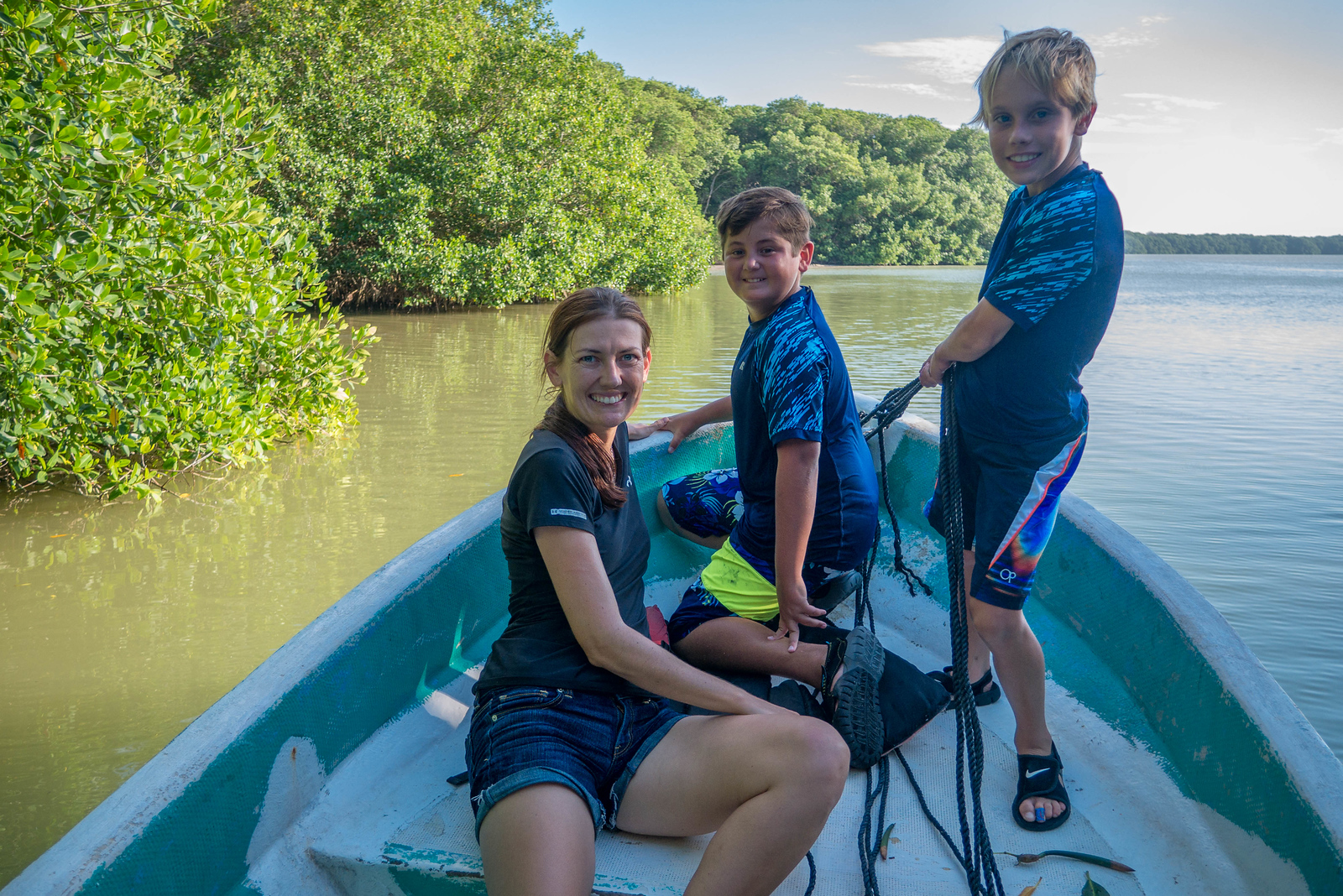
As described in a recent feature on Yahoo Travel, soft travel is about how a trip feels, not how much you accomplish. Families are increasingly seeking trips built around rest, reading, nature and meaningful experiences, with 91 percent of travelers expressing interest in this approach according to a 2026 Vrbo survey. (source)
Why Are Families Slowing Down?
Several factors are driving this shift:
- Burnout and the Need for Rest: After years of fast-paced living, many families are seeking a break from the constant hustle. The desire for a “mental reset” and genuine rest is now a top priority.
- Desire for Meaningful Connection: Families want to move beyond sightseeing and create lasting memories through authentic, local experiences—whether that means cooking classes, nature walks, or simply lingering in a plaza.
- Avoiding Overtourism: Crowded destinations and rushed schedules can be overwhelming, especially for children. Families are opting for quieter locations and off-peak travel to enjoy a calmer, more authentic atmosphere.
- Wellness and Nature: Nature-based wellness travel is booming, with families drawn to forests, hot springs, and coastal retreats that offer space to recharge.
Historical Context: How Mexico Became More Family-Friendly
Infrastructure Improvements Since the 1990s
Mexico’s evolution as a family travel destination is rooted in decades of gradual change. Since the 1990s, the country has made significant strides in making travel easier and more enjoyable for families:
- Accommodations: Hotels and resorts now offer more family rooms, kids’ clubs, and child-friendly amenities. Even midrange hotels are more likely to provide baby cots and entertainment options for children.
- Transport: Improved road networks and domestic air connectivity have made it easier for families to reach a wider range of destinations. Long-distance buses often show family-friendly movies, and urban mobility has improved in major cities.
- Attractions: Museums, parks, and restaurants increasingly offer discounted admission for children, special activities, and playrooms. Safety and accessibility have also improved, especially in tourist areas.
- Welcoming Culture: Mexico’s strong family-oriented culture remains a constant, with children warmly welcomed almost everywhere.
These changes have laid the groundwork for families to consider longer, slower trips, knowing that their needs will be met with both infrastructure and hospitality.
The Practical Benefits of Longer, Slower Trips
Cost Savings and Flexibility
Traveling slowly can be more economical. Families who stay longer in one place often benefit from discounted accommodation rates, reduced transportation costs, and the ability to shop at local markets or cook some meals. As noted by family travel writers, accommodation is nearly always cheaper when booked for longer periods, and slow travel allows families to avoid the high costs of constant movement. (source)
Reduced Stress and Better Routines
Moving less frequently means less time spent packing, navigating transport, or adjusting to new environments. This is especially important for children, who thrive on routine and familiarity. Slow travel allows families to establish daily rhythms, find favorite parks or cafés, and return to places that work well for everyone.
Deeper Cultural Immersion
Staying longer in one destination gives families the chance to move beyond tourist highlights and experience the everyday life of a place. Walking through local markets, attending community events, or simply observing daily routines can be more memorable than rushing from one attraction to another. As one travel company founder observed, by just walking, travelers can start to witness first-hand the culture and traditions of each location from a front-row seat. (source)
Trends in Mexican and Global Tourism
Industry Data and Shifting Preferences
Recent industry reports confirm the growing appetite for longer, slower travel experiences. The Explore WorldWide Travel Report found that customers booking trips of more than 8 days has grown 19 percent since last year, showing a clear appetite for longer, slower travel experiences. (source)
Tourism boards and travel platforms are responding by promoting off-the-beaten-path destinations, flexible accommodation options, and experiences that cater to families seeking both rest and enrichment.
Multigenerational Travel
Mexico’s cultural emphasis on family makes it especially well-suited for multigenerational travel. Destinations like the Riviera Maya, Yucatán Peninsula, San Miguel de Allende, and Oaxaca offer a mix of relaxation, culture, and nature that appeals across age groups. Traveling together at a slower pace allows for shared rituals, unhurried conversations, and memories that linger long after the trip ends. (source)
Planning Considerations for Families
Choosing the Right Destination
Not all destinations are equally suited to slow travel with children. Families should consider:
- Walkability and Safety: Cities with pedestrian-friendly centers and good public transport are easier to navigate with children.
- Access to Parks and Nature: Proximity to green spaces, beaches, or natural attractions allows for unstructured play and relaxation.
- Cultural Offerings: Museums, workshops, and festivals can provide enriching experiences, but it’s important to pace activities and allow for downtime.
- Healthcare and Services: Access to quality healthcare and family services is a practical consideration, especially for longer stays.
Timing and Seasonality
Traveling outside peak holiday periods can make destinations feel calmer and more authentic. Families with flexible schedules may find better rates and fewer crowds during shoulder seasons.
Daily Pacing and Routine
Building in unplanned days, returning to favorite spots, and allowing children to set the pace can make travel more enjoyable for everyone. Slow travel is not about doing less, but about doing what matters most—together.
Trade-Offs and Challenges
While slow travel offers many benefits, it is not without challenges:
- Longer Stays Require More Planning: Securing accommodations, managing school or work remotely, and adjusting to new routines can require extra preparation.
- Potential for Boredom: Some children (and adults) may crave novelty and excitement. Balancing routine with occasional new experiences is key.
- Logistical Considerations: Not all destinations have the same level of infrastructure or services for families, so research and flexibility are essential.
Quotes from the Field
It’s this slow travel movement. People just want a break from the hustle and bustle of everyday life.
Melanie Fish, Expedia, Vrbo, and Hotels.com
Multigenerational travel is not simply about accommodating different ages. It is about designing experiences that allow everyone to participate meaningfully, to feel comfortable, included, and inspired.
SAT Mexico Tours and Travel
Resources and Further Reading
- Why More Travelers Are Ditching Packed Itineraries for Slow Travel (Yahoo Travel)
- How To Be A Slow Travel Family: Why We Prefer Slow Traveling As A Family (The Wandering Daughter)
- Multigenerational Travel: Creating Lasting Memories in Mexico (SAT Mexico Tours and Travel)
- Slow Travel – A Better Way to Go? (Mexico Vacation Tours)
- Slow family travel: benefits beyond keeping parents sane (Travel Lynn Family)
Conclusion
The move toward longer, slower trips in Mexico reflects a deeper understanding of what families need to travel well: time, space, and the freedom to connect with each other and with the places they visit. Supported by improved infrastructure, a welcoming culture, and a growing array of family-friendly experiences, Mexico is uniquely positioned to offer families the chance to travel not just farther, but deeper. With thoughtful planning and realistic expectations, slow travel can transform a family vacation into something truly lasting.