
If you’ve ever wondered where Mexico keeps its soul, let me take you to Oaxaca—a city where every cobblestone, every mole-splattered plate, and every handwoven rug tells a story. For curious travelers, Oaxaca isn’t just a destination; it’s a living, breathing invitation to slow down, savor, and connect. Whether you’re a family of foodies, a solo adventurer, or a couple seeking a boutique hideaway, Oaxaca will seduce you with its markets, its people, and the kind of detours that change the way you see the world.
- The Heartbeat of Oaxaca: Markets That Feed the Senses
- Boutique Stays: Where History Sleeps in Style
- Meaningful Detours: Beyond the Guidebook
- The Business of Belonging: How Tourism Uplifts Oaxaca
- Safety, Accessibility, and the Art of Wandering
- Oaxaca’s Secret Sauce: Why Travelers Return Again and Again
- Hasta la Vista
The Heartbeat of Oaxaca: Markets That Feed the Senses
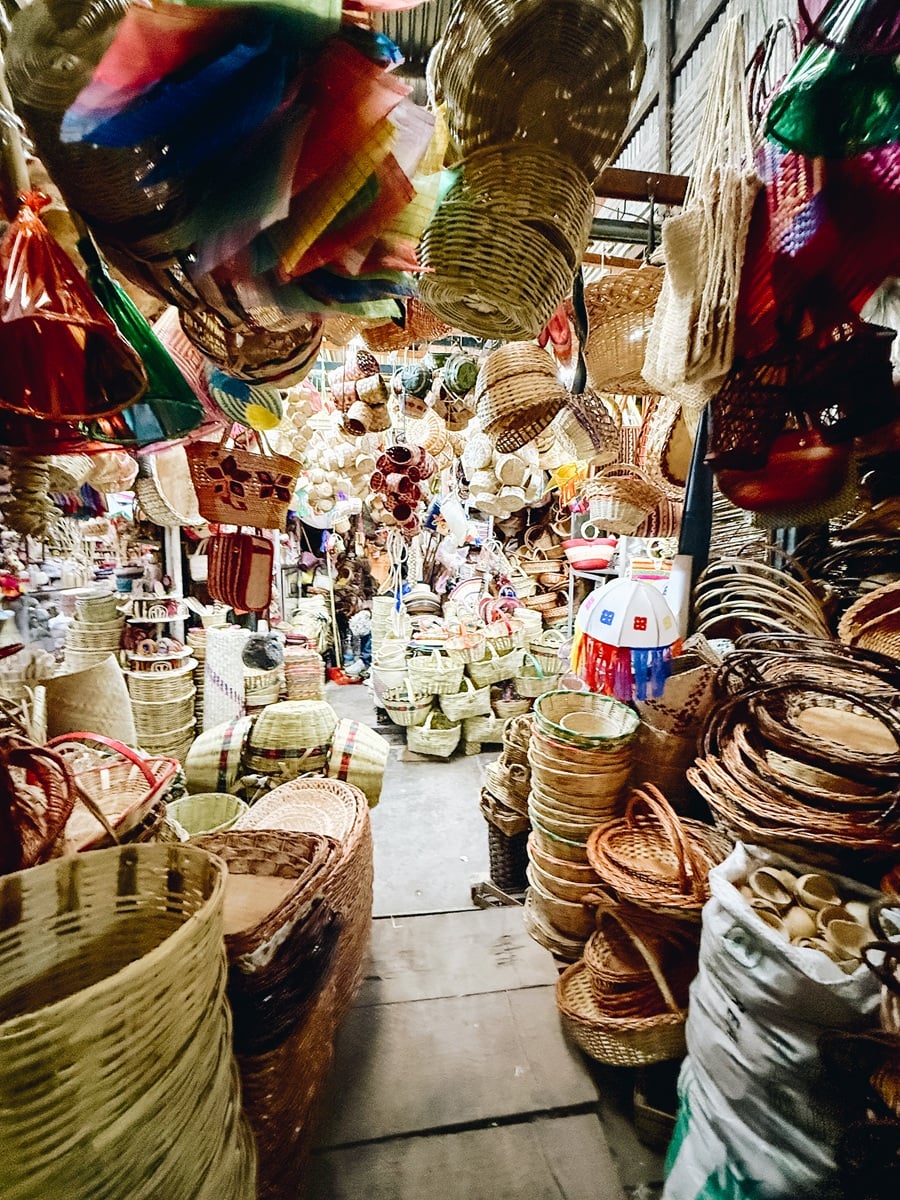
Step into Mercado 20 de Noviembre and you’ll understand why Oaxaqueños say, Aquí se vive para comer. Here, the air is thick with the scent of chiles, chocolate, and wood smoke. Vendors call out in Spanish and Zapotec, offering tlayudas the size of sombreros, blue corn quesadillas, and the legendary mole negro—each bite a lesson in history and hospitality.
Markets like Benito Juárez and Tlacolula aren’t just places to shop; they’re Oaxaca’s living rooms. On Sundays, entire families gather at Tlacolula, where grandmothers barter for chapulines (crunchy grasshoppers) and children chase after nieves carts. It’s a scene that hasn’t changed much since the 1990s, when Oaxaca first became a backpacker’s secret. Today, these markets are the city’s beating heart, drawing travelers and locals alike into a dance of flavors, colors, and stories.
As one local guide, Omar Alonso, puts it:
Oaxaca is the heart of Mexico, and we have it all: 570 municipalities, 8 regions and 14 dialects, all the micro climates, and almost all of the ingredients that makes our food unique in the world. We have the mountains, we have the ocean—we have it all.
(Travel + Leisure)
Boutique Stays: Where History Sleeps in Style
Forget cookie-cutter hotels. In Oaxaca, you can sleep in a 16th-century convent, a design-forward mezcal distillery, or a sun-drenched mansion where every tile tells a tale. The rise of boutique hotels here isn’t just a trend—it’s a movement. Properties like Casa Antonieta and Escondido Oaxaca blend colonial bones with modern flair, offering rooftop terraces where you can sip a mezcal margarita as the sun sets over Santo Domingo’s golden domes.
For those who crave a deeper connection, family-run guesthouses and B&Bs like Grana or Luuna de Jade offer the kind of warmth you can’t book online. You’ll find yourself swapping stories with owners over breakfast, learning about Zapotec weaving or the best place for late-night tacos. It’s hospitality with corazón.
Oaxaca’s boutique boom began in the early 2000s, when travelers started seeking more than just a bed—they wanted a sense of place. Today, these stays are as much a part of the experience as the ruins of Monte Albán or the murals of Jalatlaco.
Meaningful Detours: Beyond the Guidebook
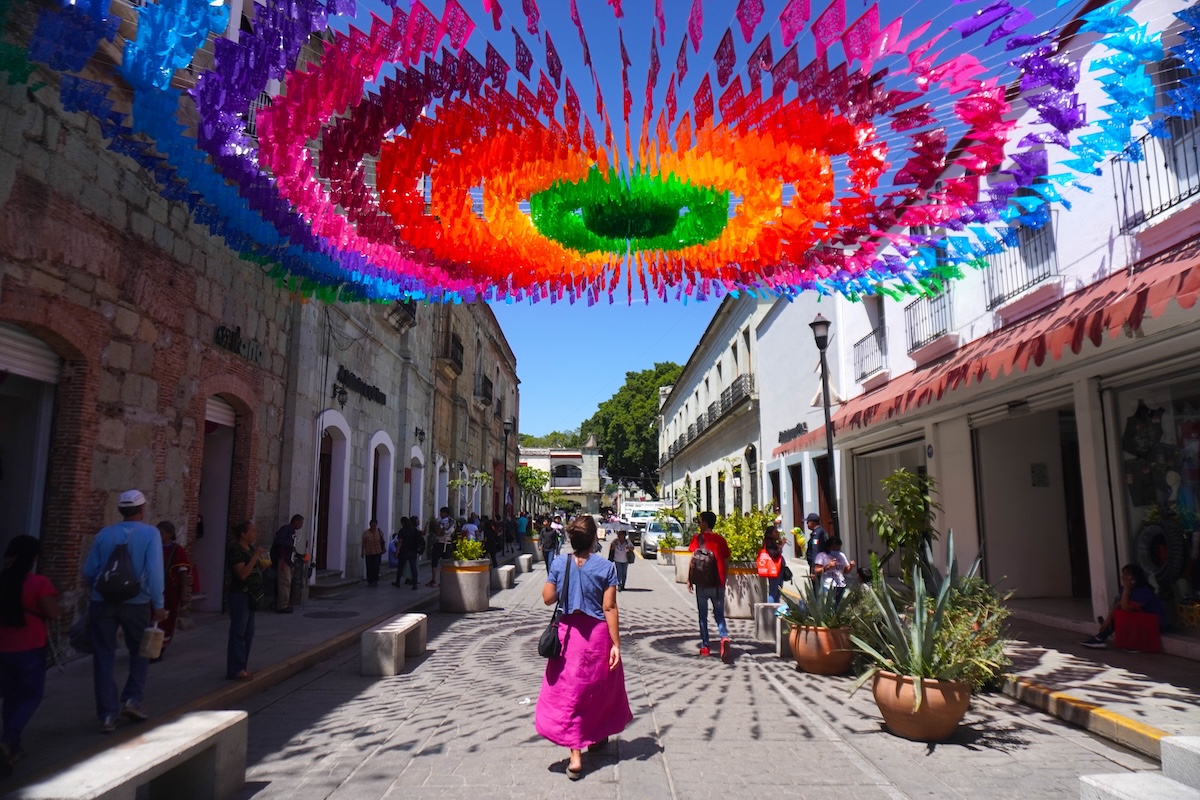
Oaxaca rewards the curious. Sure, you’ll want to see the Templo de Santo Domingo and the ancient city of Monte Albán, but the real magic happens when you wander off script. Take a detour to Teotitlán del Valle, where Zapotec families dye wool with cochineal and indigo, weaving rugs that echo centuries of tradition. Or join a cooking class in a local home, where you’ll grind corn on a metate and learn that mole isn’t just a sauce—it’s a ritual.
For the adventurous, a hike to Hierve el Agua’s petrified waterfalls or a mezcal tour in the Valley of Xaaga offers a taste of Oaxaca’s wild side. And if you’re lucky enough to visit during Día de Muertos or the Guelaguetza festival, you’ll witness a city transformed by music, dance, and the kind of joy that lingers long after the parades end.
Want to see Oaxaca through the eyes of travelers? Check out this immersive travel vlog:
4 Days in Oaxaca: The BEST City in Mexico! (Travel Guide)
The Business of Belonging: How Tourism Uplifts Oaxaca
Oaxaca’s tourism story is one of resilience and reinvention. In the 1990s, it was a haven for backpackers and artists. By the 2010s, boutique hotels and destination restaurants had arrived, drawing a new wave of travelers seeking authenticity and style. Through earthquakes, health scares, and global uncertainty, Oaxaca’s secret weapon has always been its people—artisans, chefs, and entrepreneurs who see tourism not as an invasion, but as a partnership.
Markets remain the backbone of the local economy, supporting thousands of families and preserving culinary and craft traditions. Boutique hotels and sustainable tours create jobs and foster pride in Oaxacan heritage. And as more travelers seek meaningful, community-driven experiences, Oaxaca is leading the way in responsible tourism.
Here’s a snapshot of Oaxaca’s tourism evolution:
| Decade | Key Trend | Impact on Tourism |
|---|---|---|
| 1990s | Backpacker influx | Affordable hostels, market focus |
| 2000s | Boutique hotel boom | Restoration of colonial buildings |
| 2010s | Culinary & cultural rise | Destination restaurants, artisan tours |
| 2020s | Sustainable, creative | Community-led, eco-friendly experiences |
Safety, Accessibility, and the Art of Wandering
Let’s address the elephant in the room: Is Oaxaca safe? The answer is a resounding sí. While petty theft can happen (as in any city), Oaxaca is widely considered one of Mexico’s safest regions. The city center is lively late into the night, and locals are quick to offer directions or a friendly buenas tardes. For accessibility, most attractions are walkable, and taxis or colectivos make it easy to explore nearby villages.
A little-known fact: Oaxaca is home to over 14 indigenous languages, and nearly 70% of its territory is still predominantly indigenous. This diversity isn’t just a statistic—it’s the secret ingredient in every market stall, every festival, every smile.
Oaxaca’s Secret Sauce: Why Travelers Return Again and Again
What makes Oaxaca unforgettable isn’t just the food or the architecture—it’s the feeling of belonging. Travelers come for the mole and the mezcal, but they return for the friendships, the stories, and the sense that here, curiosity is always rewarded.
As one recent visitor wrote:
Has a place ever spoken to you so deeply that you leave feeling changed? Oaxaca City did that for me. Its mystery, vibrancy, layers upon layers of art, food, culture, and history made it one of the most beautiful places I’ve ever visited.
(Casa Zuma)
Hasta la Vista
Oaxaca isn’t just a place to visit—it’s a place to feel, to taste, to remember. Whether you’re wandering the markets, sipping mezcal on a rooftop, or getting gloriously lost in a maze of textiles and murals, you’ll find that the real detours are the ones that lead you back to yourself.
Ready to plan your own Oaxacan adventure? Dive deeper with these resources:
- Oaxaca Travel Guide: My Tips, Top Sights & Where To Stay
- The Ultimate Oaxaca Travel Guide
- Oaxaca Travel Guide: What I Wish I Knew (2024)
- A Long Weekend in Oaxaca
- Oaxaca City Travel Guide—25 Things to Do in Mexico’s Culinary Capital
So, pack your curiosity (and maybe a stretchy waistband), and let Oaxaca show you how travel can be a force for good—one market, one boutique stay, and one meaningful detour at a time.
Nos vemos en Oaxaca, amigos.