
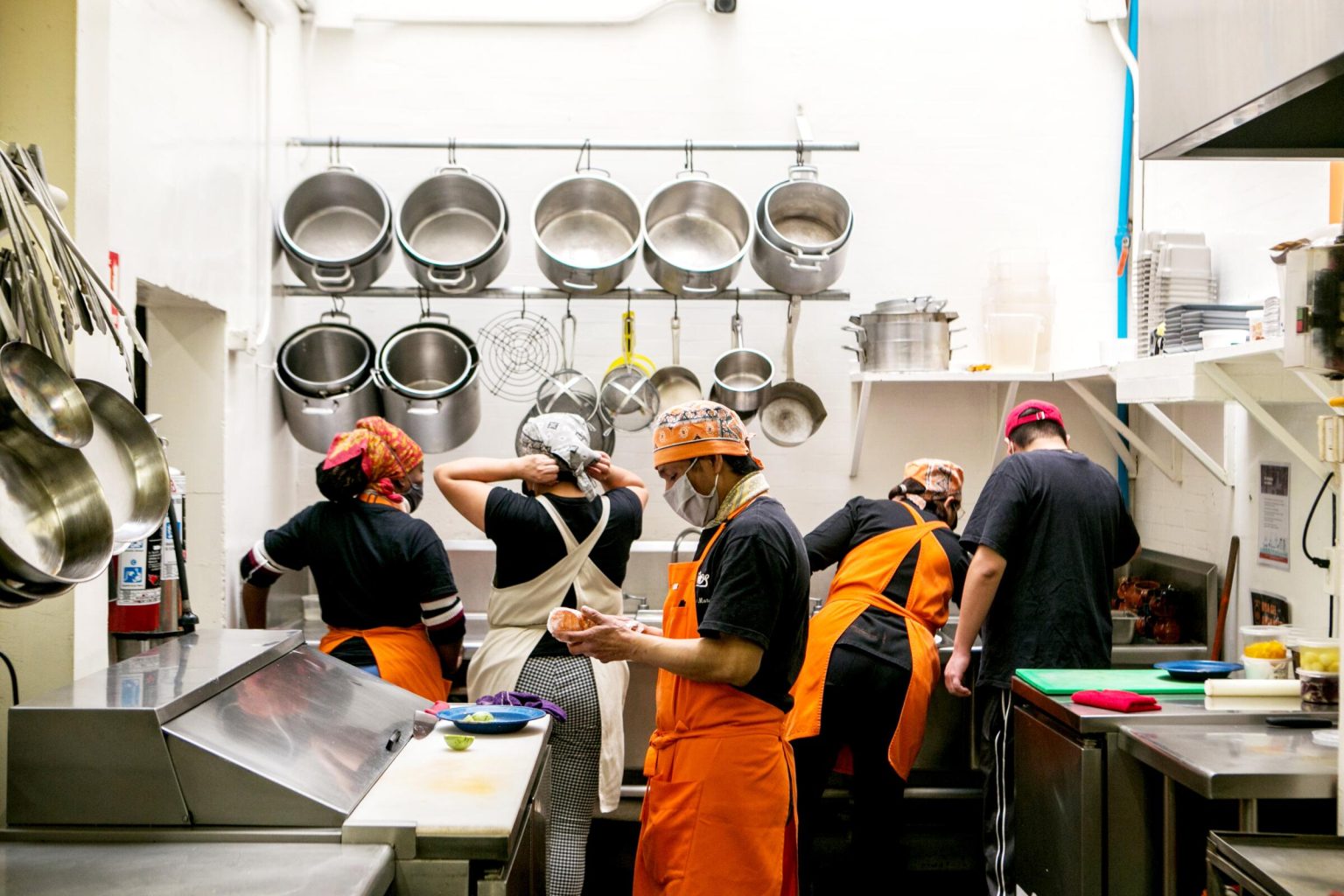
A City Where Every Bite Tells a New Story
If you close your eyes and listen, you can almost hear it: the sizzle of carnitas on a comal, the laughter spilling from a Roma Norte bistro, the clink of glasses in a bar where mezcal flows like a mariachi melody. Mexico City, once known to outsiders for its pyramids and plazas, is now the epicenter of a culinary revolution that’s as layered and vibrant as a taco al pastor—each neighborhood, each table, adding its own spice to the mix.
- A City Where Every Bite Tells a New Story
- From Mole to Michelin: How CDMX Became a Global Food Capital
- Roma & Condesa: The Beating Heart of New Mexican Cuisine
- Centro Histórico & Milpa Alta: Where Heritage Fuels Innovation
- The New Guard: Young Chefs, Old Soul
- Beyond the Plate: Culinary Tourism and Economic Impact
- Hidden Gems: Where to Eat Now
- Hasta la Vista
But this isn’t just about food. It’s about a city reclaiming its narrative, chefs rewriting the rules, and communities rising together. Let’s wander through the barrios and kitchens where Mexico City’s new culinary energy is changing the way the world eats—and sees Mexico.
From Mole to Michelin: How CDMX Became a Global Food Capital
The story of Mexico City’s culinary ascent is a tale of tradition meeting innovation. In the 1990s, the city’s food scene was rooted in the classics—tacos, tamales, and the kind of mole that takes a day to make and a lifetime to master. But as the new millennium dawned, a generation of visionary chefs began to reinterpret these traditions with a modern twist.
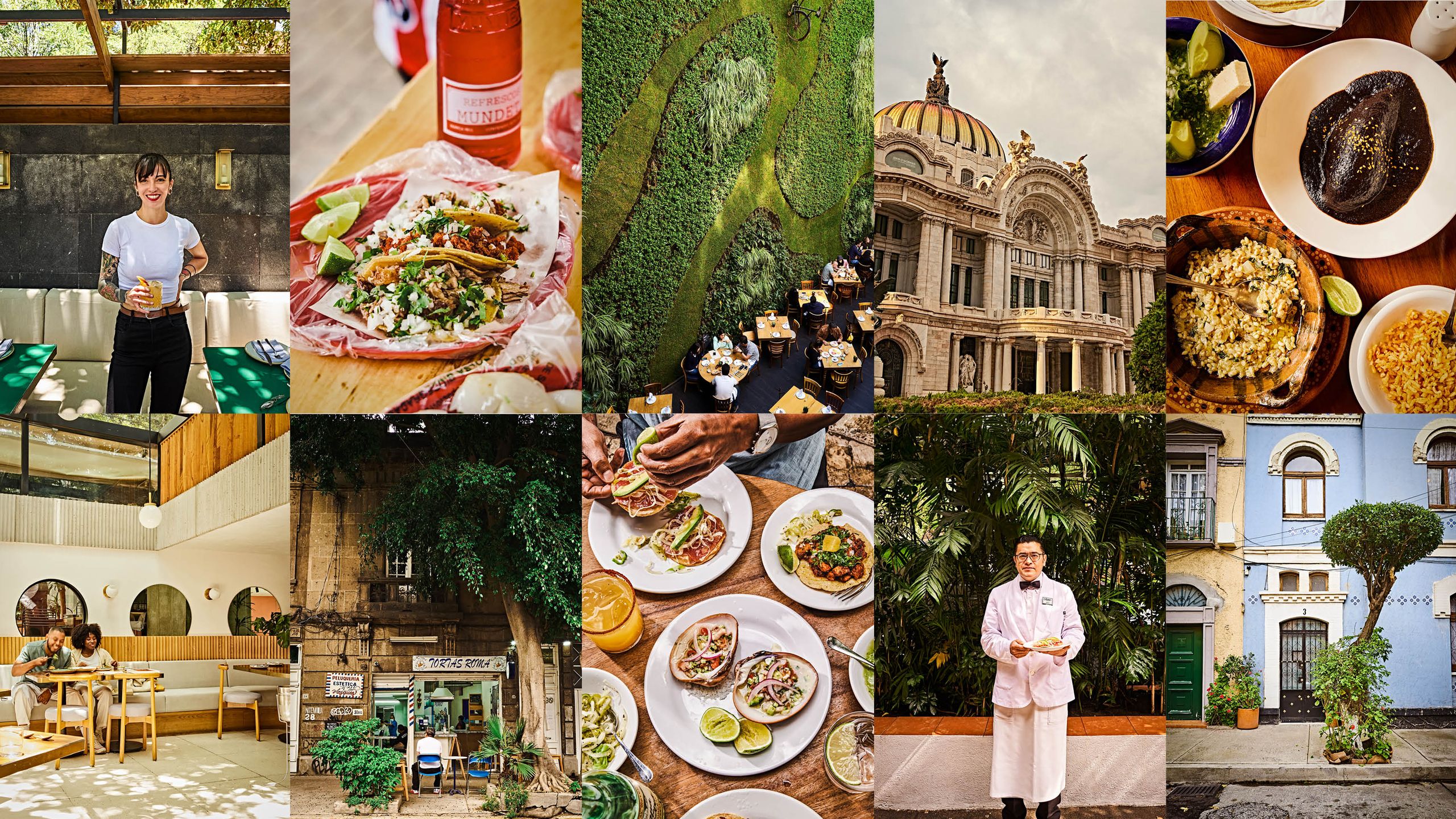
Enrique Olvera’s Pujol, which opened in 2000, became the altar of new Mexican cuisine, inspiring protégés like Lucho Martínez and Eduardo García to push boundaries. By the 2010s, Mexico City’s restaurants were gracing the World’s 50 Best lists, and in 2010, UNESCO recognized Mexican cuisine as an Intangible Cultural Heritage. The city’s culinary reputation soared, and neighborhoods like Roma, Condesa, and Polanco transformed into global dining destinations.
Today, the city’s tables are as diverse as its people. You’ll find everything from Bib Gourmand-awarded comal kitchens to Michelin-starred temples of gastronomy, all united by a fierce pride in local ingredients and a hunger for innovation.
Roma & Condesa: The Beating Heart of New Mexican Cuisine
If Mexico City’s food scene were a playlist, Roma and Condesa would be the chart-topping hits. These leafy, walkable neighborhoods are where the city’s culinary pulse beats loudest—home to a constellation of restaurants, bars, and cafes that draw food lovers from around the world.
Take Em, the flagship of Chef Lucho Martínez, recently featured in the Apple TV+ docuseries “Knife Edge: Chasing Michelin Stars.” Here, ancestral ingredients meet avant-garde technique, and every dish tells a story. As Lucho puts it:
Mexican cuisine is world class and it’s about textures and layers and different flavors. Everybody thinks it’s just like charred ingredients on a salsa. No, it’s about how we season with heat and how we season with acid… it’s built upon flavor. So, it’s a lot of layers and it’s very diverse.
Chef Lucho Martínez
A few blocks away, Bar Mauro channels 1970s Italy with a Mexican soul, recently earning a spot on the World’s 50 Best Bars list. And for those who believe the Margarita deserves its own embassy, Despacho Margarita is a must—offering everything from the classic to a fiery, nine-chili “Spicy” version.
For a taste of this energy, watch Michelin chef Lucho Martínez guide you through his favorite haunts in this vibrant YouTube feature: 24HRS in MEXICO CITY – A Michelin Chef Shows Us Where He Eats
Centro Histórico & Milpa Alta: Where Heritage Fuels Innovation
While Roma and Condesa get much of the international buzz, the soul of Mexico City’s food scene is rooted in its historic neighborhoods. In the Centro Histórico, market stalls like Don Vergas at Mercado San Juan serve up seafood tostadas to lines of locals and visitors alike, while century-old cantinas and rooftop pop-ups keep the city’s culinary traditions alive.
But perhaps the most surprising renaissance is happening on the city’s rural edge, in Milpa Alta. Known as the “high field,” this borough is the source of two of Mexico’s most iconic ingredients: nopales (cactus paddles) and mole. Here, chefs like Jorge Córcega are connecting farmers with city restaurants, ensuring that the flavors of the land reach the tables of the capital.
As Pati Jinich, host of “Pati’s Mexican Table,” discovered:
From up here in Milpa Alta, it’s clear some of the best recipes come from those closest to the land… It’s Mexico on a tortilla—the Mexico that people don’t know.
Pati Jinich
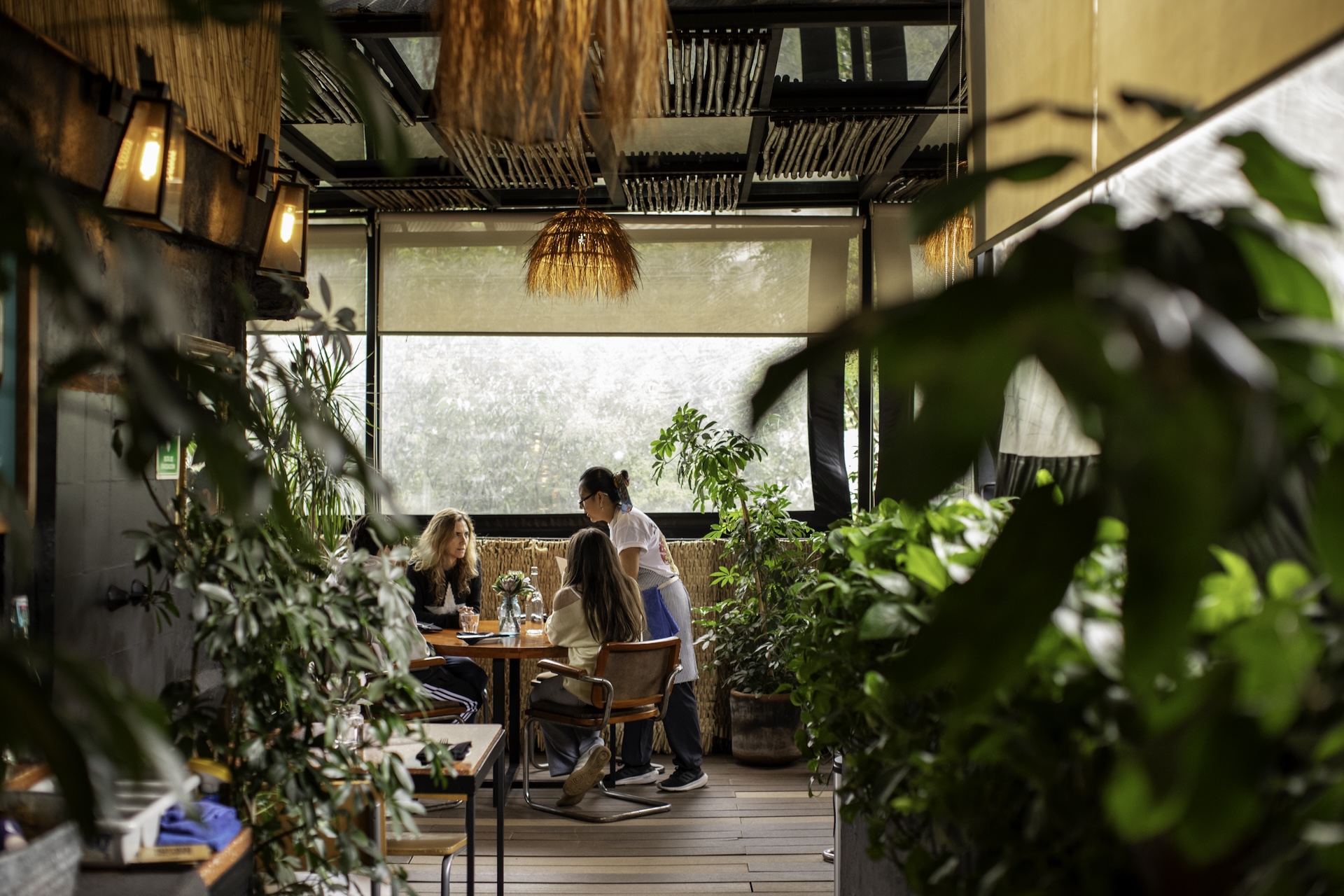
For a taste of Milpa Alta’s magic, watch Pati’s journey from the fields to the kitchen: Mexico City: The Rural Borough & Mole Capital of Mexico | Pati’s Mexican Table S14 E7
The New Guard: Young Chefs, Old Soul
What sets Mexico City apart isn’t just its flavors—it’s the people behind the plates. A new generation of chefs, many trained in the world’s best kitchens, are returning home to celebrate their roots and reimagine what Mexican food can be. They’re opening bistros like Martinez, where European technique meets Mexican soul, and casual spots like Comal Oculto, where the comal is king and the gorditas are legendary.
This new guard is fiercely committed to sustainability, community, and authenticity. They champion local producers, revive forgotten recipes, and create spaces where everyone—locals, expats, and travelers—feels at home.
As one local food writer put it:
The largest city in North America, Mexico City is a unique, elastic, ever-changing patchwork of food traditions… I’m still amazed by CDMX’s captivating energy and scale.
Natalia de la Rosa, Eater
Beyond the Plate: Culinary Tourism and Economic Impact
Mexico City’s culinary boom isn’t just a feast for the senses—it’s a boon for the economy. Since the 1990s, the city has evolved from a traditional food destination to a global culinary powerhouse, attracting millions of visitors each year. According to historical data:
| Year | International Visitors (Millions) | Major Milestone |
|---|---|---|
| 1995 | 7.5 | Traditional cuisine dominates |
| 2000 | 10.2 | Pujol opens, modern movement begins |
| 2010 | 14.5 | UNESCO recognition |
| 2020 | 18.7 | Michelin stars awarded |
| 2025 | 21.0 | Post-pandemic culinary boom |
This growth has revitalized neighborhoods, created jobs, and inspired a new wave of investment in hospitality, agriculture, and tourism infrastructure. It’s proof that when a city invests in its culture—and its cooks—everyone wins.
Hidden Gems: Where to Eat Now
So, where should you eat in Mexico City right now? Here are a few tables and neighborhoods to watch:
- Em (Roma): Michelin-starred innovation with a heart.
- Bar Mauro (Roma Norte): Italian-inspired cocktails, Mexican soul.
- Despacho Margarita (Roma): The Margarita, reimagined.
- Comal Oculto (Roma): Bib Gourmand-awarded, comal-driven magic.
- Martinez (Roma): Bistro vibes, Mexican flavors.
- Don Vergas (Centro Histórico): Seafood tostadas that draw a crowd.
- Milpa Alta: For the freshest nopales and mole, go straight to the source.
For a full list of must-visit restaurants, check out Eater’s local guide: The 38 Best Restaurants in Mexico City According to a Local Expert.
Hasta la Vista
Mexico City’s culinary energy is more than a trend—it’s a movement, a mosaic, a fiesta that welcomes everyone to the table. Whether you’re sipping a Negroni in Roma, savoring mole in Milpa Alta, or discovering a hidden taquería in the Centro, you’re part of a story that’s still being written.
So, pack your appetite and your curiosity. The city’s kitchens are waiting—and the next great meal is just around the corner.
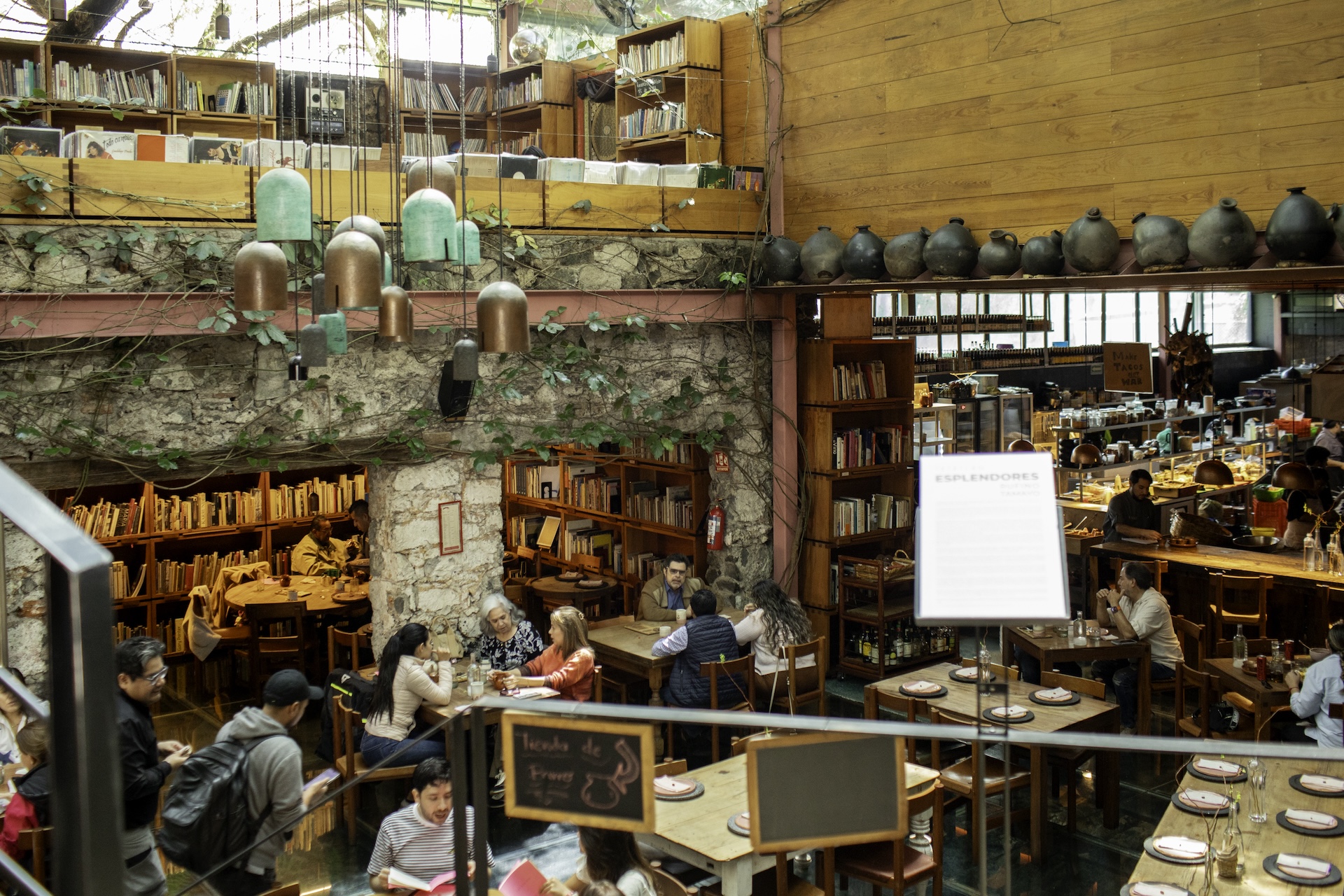
Explore more:
- 24HRS in MEXICO CITY – A Michelin Chef Shows Us Where He Eats (YouTube)
- The 38 Best Restaurants in Mexico City According to a Local Expert (Eater)
- Where You Should Eat in Mexico City According to Pro Chefs (Condé Nast Traveler)
- Discover the Top 8 Neighborhoods in Mexico City for Your Next Visit (Travel + Leisure)
¡Buen provecho, amigos! And remember: in Mexico City, every meal is an invitation to belong.