
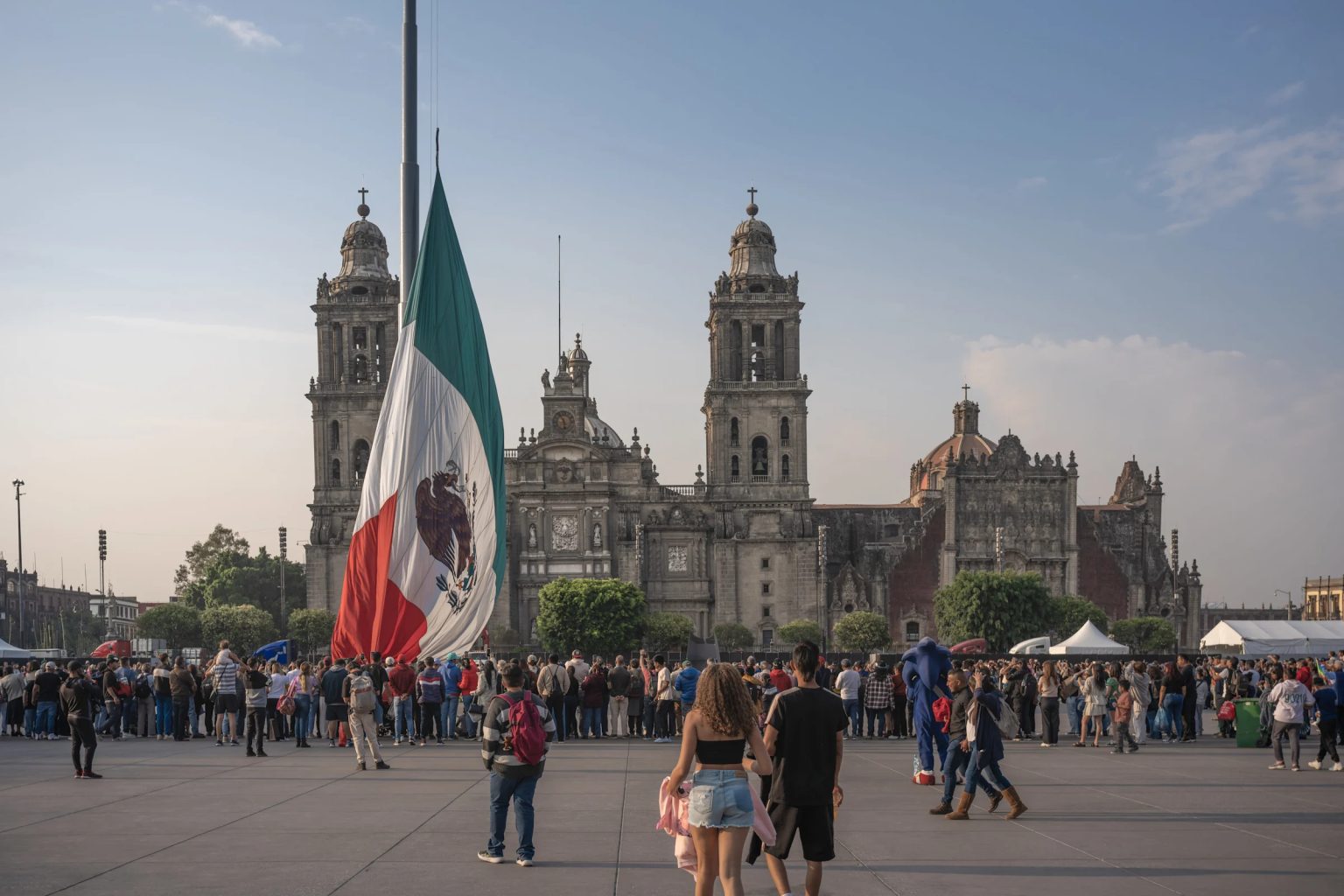
Picture this: You’re biting into a taco al pastor in a bustling Mexico City mercado, and the couple next to you is speaking French. Across the aisle, a family from Toronto is FaceTiming abuela back home, while a group of digital nomads from Seoul debates whether to surf in Sayulita or hike in Chiapas. If you think this is just another day in cosmopolitan Mexico, think again. This is the new face of Mexican tourism—one quietly, but profoundly, reshaped by the invisible threads of air connectivity.
- The Sky’s the Limit: How Mexico Became Latin America’s Air Hub
- Who’s Boarding? The New Faces of Mexican Tourism
- From Road Warriors to Jet Setters: How Air Travel Is Democratizing Tourism
- The Business of Belonging: How Connectivity Fuels Local Economies
- Not Just Beaches: How Air Routes Are Redefining Destinations
- The Ripple Effect: Challenges and Opportunities
- Top International Source Markets for Mexico (2024–2026)
- Human Stories: The Real Impact of Air Connectivity
- Hasta la Vista
The Sky’s the Limit: How Mexico Became Latin America’s Air Hub
Let’s start with a fact that might surprise even seasoned travelers: Mexico now boasts the best international air connectivity in Latin America, with more than double the airline seat offering of runner-up Brazil. According to a 2024 study by Mabrian, Mexico had 27.3 million international seats on offer for just the first nine months of that year—a number that’s only grown since. Source
This isn’t just a numbers game. It’s a story of how new routes, restored safety ratings, and a boom in both low-cost and legacy carriers have made Mexico accessible to more people, from more places, than ever before. As Mark Galardo, Air Canada’s Chief Commercial Officer, put it:

“Since 1954, Mexico has been an important part of our global network, and this summer, Air Canada’s added capacity will further reinforce the longstanding tourism and commercial ties between our two countries.”
Mark Galardo, Air Canada
Who’s Boarding? The New Faces of Mexican Tourism
If you think the typical international visitor to Mexico is a sun-seeking American, you’re only partly right. Yes, the U.S. remains the largest source market, but the story is evolving. Canadians, for example, are now outspending Americans in Los Cabos, with average trip spending around $4,600 per Canadian guest—thanks to longer stays and a taste for premium experiences. (The Traveler)
Meanwhile, direct flights from Europe are on the rise. The new Monterrey–Paris route, launched by Aeroméxico and VINCI Airports, is a game-changer for northern Mexico, connecting Nuevo León directly to the French capital three times a week. As Ricardo Dueñas, CEO of OMA Aeropuertos, notes:
“This connection expands international connectivity and positions Nuevo León as a strategic gateway for tourism, business, and investment between Europe and Mexico.”
Ricardo Dueñas, OMA Aeropuertos
And let’s not forget the rise of Latin American and Caribbean travelers, as well as a growing number of Asian visitors, drawn by new long-haul routes and Mexico’s increasingly global profile.
From Road Warriors to Jet Setters: How Air Travel Is Democratizing Tourism
Remember when traveling across Mexico meant endless bus rides and a suitcase full of Dramamine? Those days are fading fast. Domestic air travel has exploded, with airlines like Volaris and Viva Aerobus opening up new city pairs and making flying affordable for millions of Mexicans and international visitors alike. As Ryan Isemeyer, Volaris’ head of capacity planning, puts it:
“We are in growth mode. Mexico is a growing economy. We really want to ensure that the network that we’re providing democratises air travel.”
Ryan Isemeyer, Volaris
This democratization isn’t just about convenience. It’s about who gets to travel. Lower fares and more routes mean that families from Oaxaca can now visit relatives in Tijuana, entrepreneurs from Monterrey can pitch in Paris, and digital nomads can hop from Mexico City to Mérida without breaking the bank.

The Business of Belonging: How Connectivity Fuels Local Economies
Air connectivity isn’t just a boon for travelers—it’s a lifeline for communities. According to IATA, aviation and tourism supported by air travel contribute a staggering $88.3 billion to Mexico’s GDP and employ 1.8 million people. Tourism alone, much of it enabled by air, brings in $19.5 billion and supports over half a million jobs. (IATA Report)
But the impact goes deeper. When a new route opens, it’s like adding a new ingredient to a mole recipe—suddenly, the flavor profile changes. Local artisans, hoteliers, and restaurateurs see new faces and hear new languages. A Pueblo Mágico that once relied on weekenders from the capital now welcomes visitors from Montreal or Madrid, each bringing their own curiosity—and currency.
Not Just Beaches: How Air Routes Are Redefining Destinations
Cancún and Los Cabos will always be magnets for sun-seekers, but air connectivity is quietly putting lesser-known gems on the map. Consider Monterrey, now a transatlantic hub, or Oaxaca, whose airport has seen a surge in direct flights from the U.S. and Canada. Even Acapulco, once a faded star, is staging a comeback thanks to improved airport facilities and new connections. (Aviation A2Z)
This shift means travelers can now craft itineraries that blend beaches with highland towns, ancient ruins with modern art scenes, and street food with Michelin-starred dining—all without spending half their vacation in transit.
The Ripple Effect: Challenges and Opportunities
Of course, not all is smooth sailing (or flying). Diplomatic tensions, infrastructure bottlenecks, and rising fuel costs can disrupt even the best-laid travel plans. In 2026, global diplomatic strains have driven up long-haul airfares by an estimated 18%, reminding us that air connectivity is as fragile as it is powerful. (Undiscovered America TV)
Yet, the resilience of Mexican tourism is legendary. Even when headlines scream about turbulence—literal or political—travelers keep coming, drawn by the promise of discovery and the warmth of Mexican hospitality.
Top International Source Markets for Mexico (2024–2026)
| Country | Share of Arrivals | Notable Trends |
|---|---|---|
| United States | ~60% | Flat growth, shorter stays |
| Canada | ~12% | Double-digit growth, higher spend |
| Europe (France, UK, Spain) | ~10% | New direct routes, longer stays |
| Latin America | ~8% | Growing, especially from Colombia |
| Asia | ~3% | Small but rising, new connections |
Human Stories: The Real Impact of Air Connectivity
Let’s bring it back to the people. There’s the grandmother from Mérida who, thanks to a new direct flight, finally visited her daughter in Vancouver. The chef in Oaxaca whose mezcal tasting room now welcomes guests from Tokyo. The Canadian family who, after years of Florida winters, discovered the magic of Los Cabos—and now return every year, spending more and staying longer.
These are not just anecdotes; they are the heartbeat of a tourism industry that’s more inclusive, diverse, and resilient than ever.
Hasta la Vista
As air routes multiply and the world grows smaller, Mexico’s story is being rewritten—one boarding pass at a time. Whether you’re a family planning your first trip, an investor eyeing new opportunities, or a local entrepreneur ready to welcome the world, the sky is truly the limit.
For more on this evolving landscape, check out these must-read resources and videos:
- Mexico has best international air connectivity in Latin America
- Canadian Tourists Outspend Americans In Los Cabos Shift
- VINCI Airports strengthens transatlantic connectivity with new Monterrey-Paris route
- Air Canada Bucks Trend By Hiking Mexico Service
- Volaris says US-Mexico demand resilient despite turbulence
- Top Leading Airports in the World by WTA
- When Diplomacy Fails, Flights Suffer: A 6-Region Travel Alert
So next time you hear a mariachi melody at 30,000 feet, remember: it’s not just a song—it’s the sound of a country opening its arms to the world, one flight at a time.
¡Buen viaje!