
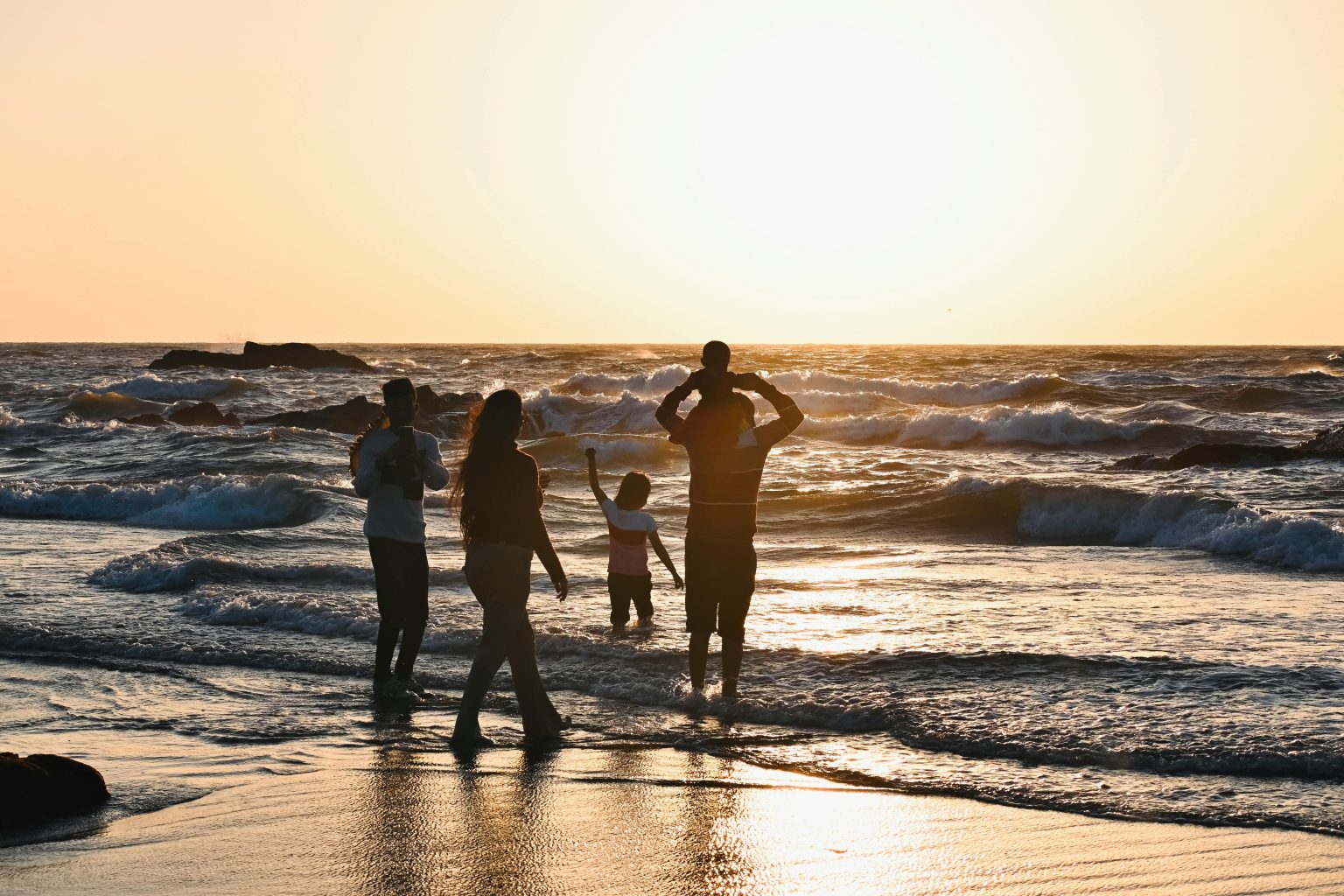
Understanding Travel Fatigue in the Mexican Context
Traveling through Mexico with children offers families a chance to experience vibrant culture, diverse landscapes, and warm hospitality. Yet, for many parents, the reality of travel fatigue—physical and emotional exhaustion from the demands of moving, adapting, and managing children’s needs—can overshadow the excitement of discovery. In Mexico, where distances can be long, climates vary widely, and cultural rhythms differ from home, understanding how to avoid travel fatigue is essential for a successful family trip.
- Understanding Travel Fatigue in the Mexican Context
- The Evolution of Family Travel Infrastructure in Mexico
- Recognizing the Causes of Travel Fatigue for Families
- Pacing and Planning: The Foundation of Fatigue-Free Family Travel
- 1. Prioritize Rest and Downtime
- 2. Alternate Activity Intensity
- 3. Choose Accommodations That Support Family Needs
- 4. Plan Travel Days as Recovery Days
- 5. Prepare for Climate and Altitude
- Practical Tips for Managing Fatigue on the Ground
- 1. Pack Smart and Light
- 2. Maintain Familiar Routines When Possible
- 3. Hydration and Nutrition
- 4. Movement and Breaks
- 5. Prepare for Minor Illnesses and Discomforts
- Seasonal and Regional Considerations for Family Travel in Mexico
- Industry Trends and Business Insights: How Tourism Adapts to Family Needs
- Confidence Through Preparation
- Further Reading and Resources
This article provides a clear, structured guide to minimizing travel fatigue with children in Mexico. Drawing on historical trends, expert advice, and current industry practices, it explains how infrastructure, planning, and cultural context shape the family travel experience—and how parents can make informed choices to ensure their trips are manageable and rewarding.
The Evolution of Family Travel Infrastructure in Mexico
Since the 1990s, Mexico has made significant strides in becoming more accessible and welcoming to families. Improvements in safety, transportation, and child-focused services have transformed the travel landscape:
- Safety Enhancements: Major tourist destinations now benefit from increased police presence, surveillance, and targeted security measures. This has made cities like Mexico City, Cancún, and Puerto Vallarta more reassuring for families, especially those traveling with young children.
- Accessibility and Comfort: While challenges remain, especially in rural areas, most midrange and top-end hotels now offer family-friendly amenities such as baby cots, playrooms, and kid-friendly TV channels. Public spaces, museums, and restaurants increasingly cater to children, reflecting the central role of family in Mexican culture.
- Transport Improvements: Upgrades to roads, airports, and intercity bus services have made it easier for families to move between destinations. Long-distance buses often show family-friendly movies, and airports in major cities provide stroller-friendly facilities.
These developments mean that families today can expect a more supportive environment than in previous decades, but preparation remains key to avoiding fatigue.
Recognizing the Causes of Travel Fatigue for Families
Travel fatigue is not simply a matter of tired children. It results from a combination of factors that affect both parents and kids:
- Overpacked Itineraries: Attempting to see too much in a short time can quickly lead to exhaustion, especially in a country as large and varied as Mexico.
- Climate and Altitude: Mexico’s climate ranges from tropical beaches to high-altitude cities. Heat, humidity, and elevation can all contribute to fatigue, particularly for children unaccustomed to these conditions.
- Disrupted Routines: Changes in sleep, meal times, and daily rhythms can unsettle children, making them more prone to meltdowns and parents more likely to feel overwhelmed.
- Logistical Challenges: Long travel days, crowded transport, and unfamiliar environments can add layers of stress, especially when moving between regions with different infrastructure standards.
Understanding these factors allows families to plan proactively, reducing the risk of burnout and ensuring a more enjoyable trip.
Pacing and Planning: The Foundation of Fatigue-Free Family Travel
The most effective way to avoid travel fatigue is to build a trip around realistic pacing and thoughtful planning. Key strategies include:
1. Prioritize Rest and Downtime
- Schedule no more than one or two main activities per day.
- Build in unstructured time for rest, play, or simply enjoying your accommodation.
- Recognize that “doing less” often leads to more meaningful experiences for children.
2. Alternate Activity Intensity
- Mix high-energy days (such as visiting archaeological sites or theme parks) with low-key days (beach time, pool afternoons, or leisurely walks).
- Allow for flexibility—if a child needs a quiet morning, adjust plans accordingly.
3. Choose Accommodations That Support Family Needs
- Look for hotels or rentals with separate sleeping areas, kitchenettes, and access to outdoor space.
- Consider locations that minimize daily travel time, such as staying near the main attractions or in walkable neighborhoods.
4. Plan Travel Days as Recovery Days
- Treat days spent in transit as opportunities for rest rather than sightseeing.
- Avoid scheduling major activities immediately after long flights or bus rides.
5. Prepare for Climate and Altitude
- In high-altitude destinations like Mexico City, allow time for acclimatization and keep children well-hydrated.
- In hot regions, plan outdoor activities for early morning or late afternoon, and prioritize shade and sun protection.
Practical Tips for Managing Fatigue on the Ground
1. Pack Smart and Light
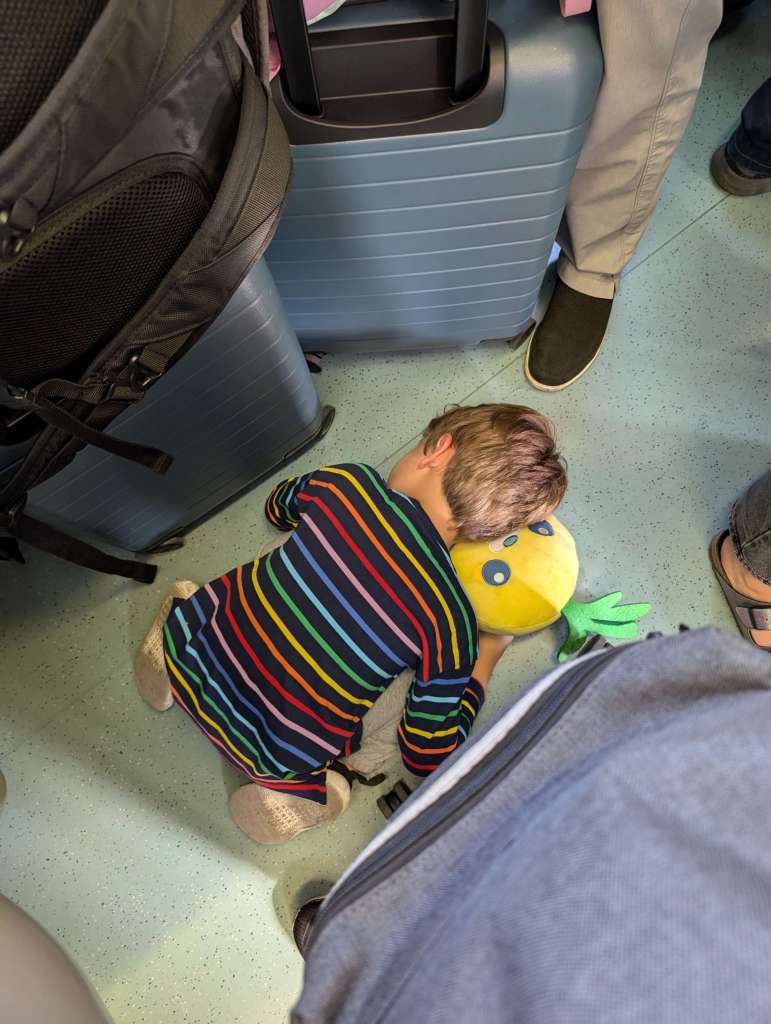
- Bring essential comfort items (favorite toys, blankets, snacks) to help children feel secure.
- Use layered clothing to adapt to changing temperatures, especially when moving between air-conditioned spaces and outdoor heat.
2. Maintain Familiar Routines When Possible
- Stick to regular meal and sleep times as much as possible, even when on the road.
- Use familiar bedtime routines (stories, music, white noise) to help children settle in new environments.
3. Hydration and Nutrition
- Carry refillable water bottles and healthy snacks, especially when traveling in hot or high-altitude areas.
- Be mindful of food safety and dietary needs; supermarkets in Mexico increasingly stock allergy-friendly and specialty foods.
4. Movement and Breaks
- Allow time for children to move and play during long travel days—airports, bus stations, and rest stops often have play areas or open spaces.
- Encourage short walks or stretching breaks to prevent restlessness and crankiness.
5. Prepare for Minor Illnesses and Discomforts
- Pack a basic health kit with medications for headaches, stomach upsets, and altitude sickness.
- Recognize symptoms of heat exhaustion or altitude sickness early and respond with rest, hydration, and, if needed, medical attention.
For more on altitude sickness in Mexico City, see this local guide: Mal de altura in Mexico City: What to know and what to do
Seasonal and Regional Considerations for Family Travel in Mexico
1. Timing Your Trip
- School holidays and peak travel seasons (Christmas, Easter, summer) bring larger crowds and higher prices. Consider traveling during shoulder seasons for a more relaxed experience.
- Weather varies widely by region; research climate patterns to avoid extreme heat, rain, or hurricane risks.
2. Regional Differences
- Coastal resorts (Cancún, Riviera Nayarit, Los Cabos) offer extensive family amenities but can be crowded and expensive during peak times.
- Colonial cities and highland regions (Mexico City, Guanajuato, Oaxaca) provide rich cultural experiences but may require more adjustment to altitude and urban pace.
- Smaller towns and rural areas offer authenticity and tranquility but may have fewer child-focused services and require more self-sufficiency.
3. Multigenerational and Group Travel
- When traveling with extended family, prioritize accommodations that allow both togetherness and privacy.
- Plan for different energy levels and interests; not everyone needs to participate in every activity.
A recent industry survey highlighted by AARP emphasizes the importance of flexibility and realistic pacing for multigenerational trips: Travel Experts Share How To Navigate Taking a Multigenerational Family Trip – AOL
Industry Trends and Business Insights: How Tourism Adapts to Family Needs
The Mexican tourism industry has responded to the growing demand for family-friendly travel with innovations in accommodation, transport, and services:
- Resorts and Hotels: Many now offer supervised kids’ clubs, family suites, and on-site medical support. Security protocols have been strengthened, especially in major resort areas.
- Transport Providers: Airlines and bus companies increasingly cater to families with priority boarding, entertainment options, and flexible ticketing.
- Tour Operators: Specialized family tours and excursions are designed to balance activity and downtime, with guides trained to engage children and accommodate diverse needs.
These trends reflect a broader shift toward intentional, slower travel that prioritizes well-being over checklist tourism. As one travel advisor noted in a recent feature:
Harmony rarely happens by accident. The best shared holidays are rarely the ones where everybody does the same thing every hour. They are the ones where the group can split up, recharge, and meet back up without drama.
AARP Family Travel Survey, 2025
Confidence Through Preparation
Avoiding travel fatigue with children in Mexico is less about finding the perfect destination and more about understanding how to pace, plan, and adapt. Mexico’s evolving infrastructure, welcoming culture, and diverse offerings make it an excellent choice for families—provided trips are approached with realistic expectations and thoughtful preparation.
By prioritizing rest, maintaining routines, and choosing destinations and accommodations that fit your family’s needs, you can minimize fatigue and maximize enjoyment. Remember: the goal is not to do everything, but to create a trip that feels manageable, safe, and meaningful for everyone.
Further Reading and Resources
- Tips for Families Visiting Mexico with Children – Mexperience
- How to pace your trips with kids to avoid fatigue and burnout – No Place Like Anywhere
- Holiday Travel with Young Children: Tips for a Happier, Healthier Trip – SWPedi
- Mal de altura in Mexico City: What to know and what to do
For more detailed planning guides, visit VacationalWire.com’s Tips & Planning section.