
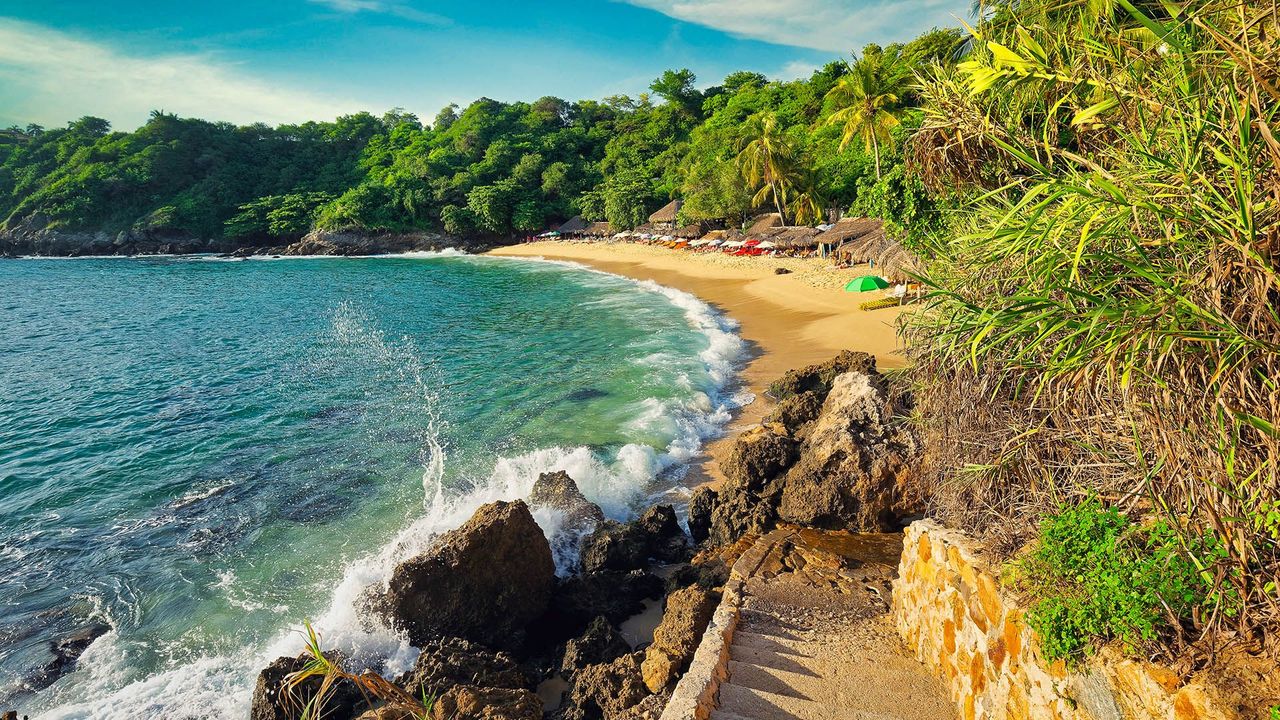
A New Era for Family Travel in Mexico
Traveling across Mexico with children in 2026 is not what it was a decade ago. For families, the country’s evolving infrastructure—spanning highways, airports, railways, digital tools, and visitor support systems—has fundamentally changed how trips are planned, experienced, and remembered. These changes are not just about convenience; they are about access, safety, and the ability to explore Mexico’s diversity with confidence. This article explains the trends, trade-offs, and practical realities shaping family travel today, drawing on recent news, historical context, and the voices of those building Mexico’s tourism future.
- A New Era for Family Travel in Mexico
- The Infrastructure Boom: What’s New and Why It Matters
- Key Projects Changing the Map for Families
- Highways and Road Connectivity
- Rail and the Interoceanic Corridor
- Airports and Air Travel
- Urban Mobility and Walkability
- Digital Infrastructure: The New “Soft” Backbone of Travel
- Historical Context: How Far Family Travel Has Come
- Trade-Offs and Planning Considerations for Families
- The Human Side: How Infrastructure Changes Affect Families and Communities
- Practical Guidance: What Families Should Know Before Planning
- Further Reading and Resources
- Conclusion
The Infrastructure Boom: What’s New and Why It Matters
Mexico is in the midst of an unprecedented infrastructure expansion. According to recent reports, the government and private sector are investing over $22 billion in tourism-related projects across 26 states, with a focus on decentralizing travel and spreading economic benefits beyond traditional hotspots like Cancún and Mexico City. This includes 473 projects—highways, airports, rail lines, ports, and urban mobility systems—designed to connect families with both iconic and lesser-known destinations.
A central goal is shared prosperity, ensuring that tourism revenue reaches local communities and small businesses, not just large resorts or urban centers. As noted in a March 2026 industry update:
Mexico’s tourism expansion is rooted in the concept of ‘shared prosperity,’ which aims to distribute economic benefits directly to local communities and small businesses. This model ensures that tourism revenue does not remain concentrated in major urban or resort hubs. Instead, it flows into regional economies, supporting inclusive development.
Key Projects Changing the Map for Families
Highways and Road Connectivity
The opening of new highways—such as the Oaxaca–Puerto Escondido corridor and the Guadalajara–Puerto Vallarta route—has reduced travel times dramatically. For example, the Oaxaca coastal highway now allows families to reach Pacific beaches in three hours instead of ten, making weekend trips and multi-destination itineraries more feasible.
However, increased access brings both opportunities and challenges. While families can now explore regions previously considered “off the beaten path,” these areas are also experiencing growing pains: more traffic, higher demand for services, and the need for careful planning to avoid overcrowding during peak periods.
Rail and the Interoceanic Corridor
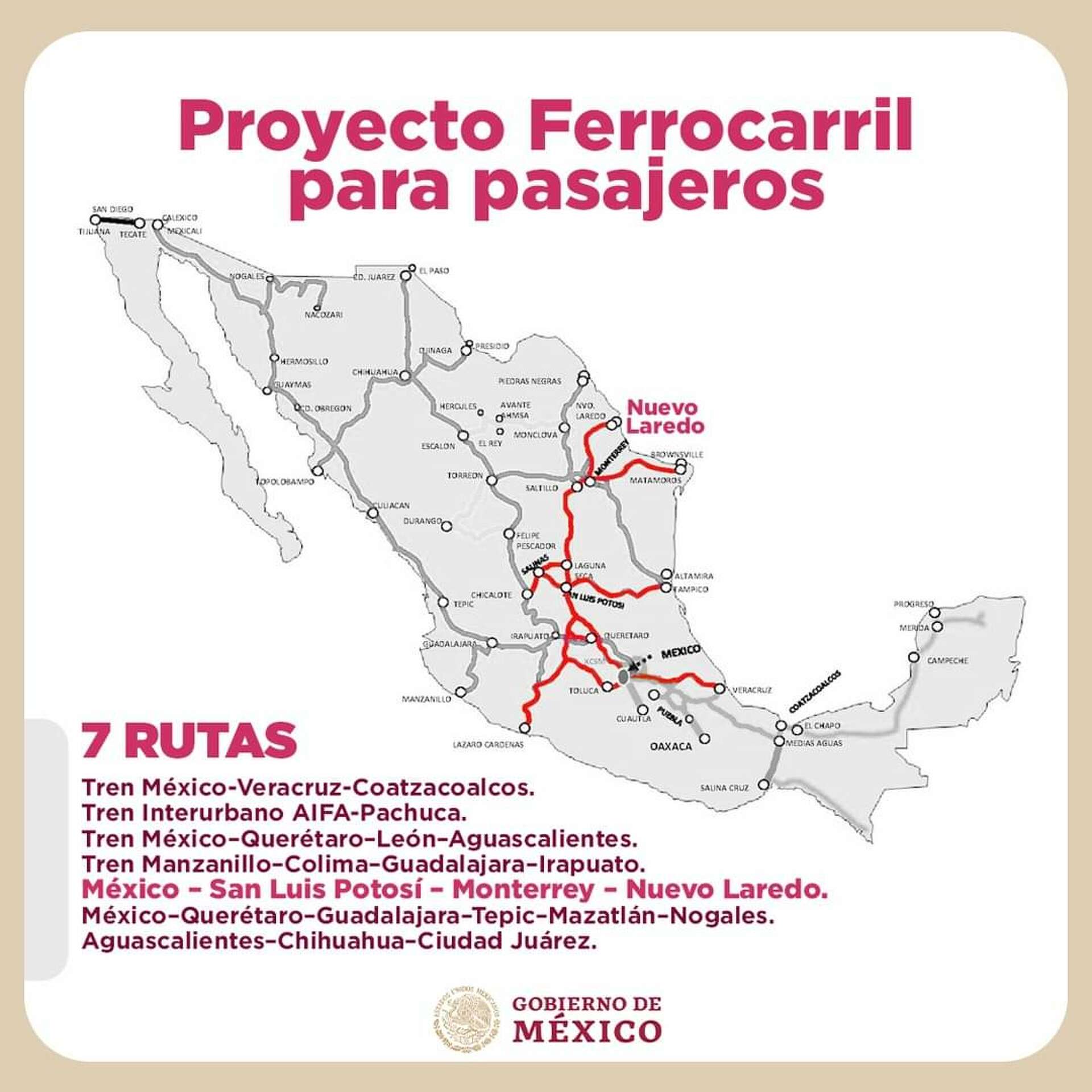
The Tehuantepec Interoceanic Corridor (CIIT) is one of the most ambitious projects, connecting the Pacific and Gulf coasts via new rail lines, upgraded ports, and industrial hubs. While primarily designed for freight and economic development, the corridor is also opening up southern states—Veracruz, Oaxaca, Tabasco, and Chiapas—to new forms of tourism.
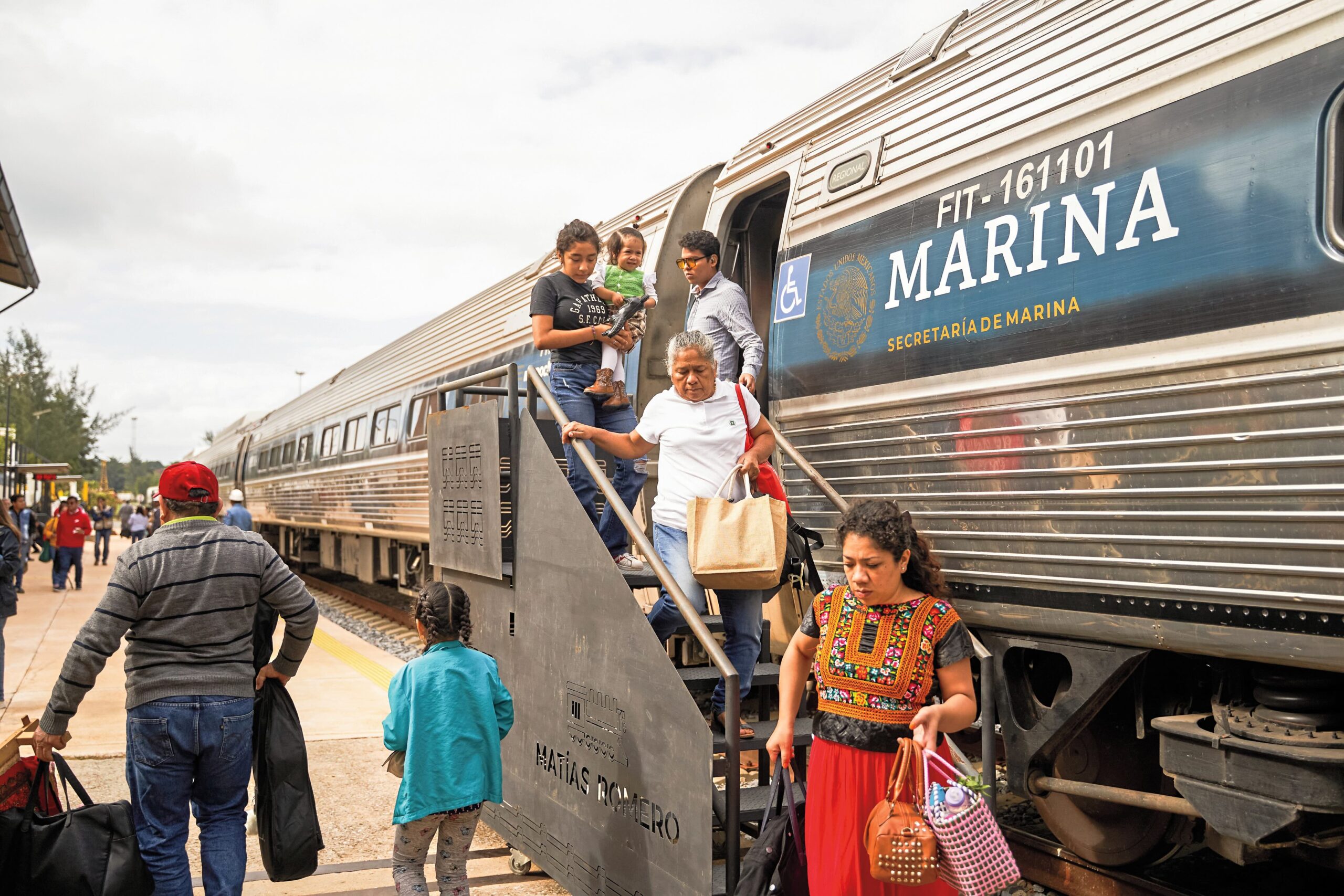
Recent milestones include the successful transport of vehicles and cargo across the corridor, with full operational status expected by June 2026. For families, this means improved regional connectivity and the potential for new rail-based travel experiences in the coming years.
Airports and Air Travel
Domestic air travel has expanded rapidly, with new airports in Tulum and upgrades in cities like Los Cabos and Puerto Vallarta. These improvements have made it easier for families to reach both established and emerging destinations, often with direct flights from the U.S. and Canada.
Airports are also being designed with family needs in mind: clearer signage, better ground transport links, and more accessible services for travelers with young children or mobility challenges.
Urban Mobility and Walkability
Cities such as Cabo San Lucas are investing in pedestrian-friendly downtowns, wider sidewalks, shaded seating, and improved crossings. These changes make urban exploration safer and more enjoyable for families, especially those traveling with strollers or young children.
Digital Infrastructure: The New “Soft” Backbone of Travel
Physical infrastructure is only part of the story. Mexico’s “Travel Smart” initiative, launched in 2026, recognizes that digital tools—reliable travel guidance, payment systems, health information, and multilingual support—are now essential for family travel.
A structured digital assistant, presented at FITUR 2026, aims to reduce uncertainty for visitors by providing standardized, real-time information on mobility, safety, and local regulations. This helps families plan confidently, avoid common pitfalls, and make informed decisions about where to go and what to do.
Historical Context: How Far Family Travel Has Come
To understand today’s changes, it is helpful to look back. In the 1990s, family travel in Mexico was largely limited to major resorts and a handful of well-connected cities. Road networks were patchy, public transport was unreliable outside main hubs, and visitor support systems were basic.
Since then, key milestones have included:
- Major investments in highways and airports, making regional travel more accessible.
- The rise of all-inclusive resorts and vacation rentals, offering more flexible accommodation for families.
- The “Pueblos Mágicos” program, which brought infrastructure and tourism investment to smaller towns.
- Improved safety, health, and information services, especially in tourist zones.
These developments have made it easier, safer, and more enjoyable for families to explore both traditional and emerging destinations across the country.
| Area | 1990s | 2000s–2010s | 2014–2018 & Recent Milestones |
|---|---|---|---|
| Transport | Limited, focused on hubs | Expanded roads, more flights | Major highway/airport upgrades |
| Accommodation | Resorts, few family options | All-inclusives, rentals, eco-lodges | Magic Towns, private investment |
| Visitor Support | Basic info, safety, health | More info centers, better safety | Integrated policy, quality standards |
Trade-Offs and Planning Considerations for Families
Benefits
- Shorter travel times between regions, making multi-stop trips more realistic.
- Greater choice of destinations, including less-crowded towns and nature areas.
- Improved safety and support, with better emergency services and information centers.
- More accessible cultural experiences, thanks to guided tours, digital resources, and multilingual services.
Challenges
- Rising demand in newly accessible areas can lead to crowding, especially during school holidays.
- Infrastructure strain in some regions, with traffic and service bottlenecks.
- Environmental and cultural impacts in sensitive areas, requiring families to plan responsibly and respect local guidelines.
- Ongoing construction in some destinations may affect daily routines or access.
The Human Side: How Infrastructure Changes Affect Families and Communities
For many families, these changes mean more options and less uncertainty. Parents can now plan trips that balance adventure with comfort, knowing that support systems are in place if something goes wrong. Children have more opportunities to experience Mexico’s diversity—its history, nature, and culture—without the logistical hurdles that once made such trips daunting.
Practical Guidance: What Families Should Know Before Planning
- Check current road and rail conditions before traveling, especially in regions with ongoing construction or recent upgrades.
- Book accommodation and transport in advance during peak seasons, as demand can outpace supply in newly popular areas.
- Use official tourism resources for up-to-date safety, health, and visitor information.
- Consider the pace of travel—new infrastructure makes it easier to move quickly, but families often benefit from slower, more intentional itineraries.
- Respect local communities and environments, especially in areas adjusting to increased tourism.
For a practical overview of how these changes affect travel, see this recent guide:
Traveling Across Mexico Made Easier Than Ever

Further Reading and Resources
- Mexico’s Infrastructure Plan Aims to Reshape Tourism Geography
- The Infrastructure Push Reshaping Los Cabos
- Traveling Across Mexico Made Easier Than Ever
- Mexico Travel Smart: The Country’s New Tourism Megaproject
Conclusion
Mexico’s infrastructure transformation is reshaping the way families travel—opening new destinations, reducing uncertainty, and making it possible to experience the country’s richness with greater ease and confidence. For parents and caregivers, the key is preparation: understanding the changes, planning thoughtfully, and embracing both the opportunities and responsibilities that come with exploring a country in transition. With the right information and a realistic approach, family travel in Mexico can be not only manageable, but deeply rewarding for all ages.