

Traveling through Mexico with children can be deeply rewarding, but it requires thoughtful planning and realistic expectations. Over the past three decades, Mexico’s family travel infrastructure has evolved, making it easier for parents and caregivers to design days that balance exploration, rest, and meaningful connection. This article provides a clear, practical framework for structuring travel days with children in Mexico, drawing on historical trends, current best practices, and the lived experiences of families and tourism professionals.
- Understanding the Evolution of Family Travel in Mexico
- The Core Principles of Structuring Family Travel Days
- 1. Prioritize Pacing Over Packed Itineraries
- 2. Align Activities with Children’s Ages and Interests
- 3. Build in Flexibility for Meals and Rest
- Daily Structure: A Sample Family Travel Day in Mexico
- Seasonal and Regional Considerations
- Navigating Transport and Accessibility
- Choosing Accommodations: What Matters Most
- Trends and Business Insights: The Changing Face of Family Tourism
- Practical Resources and Further Reading
Understanding the Evolution of Family Travel in Mexico
Since the 1990s, Mexico has transformed its approach to family tourism. Where once accommodations and attractions were primarily adult-focused, today’s landscape is notably more inclusive. Resorts and hotels now routinely offer kids’ clubs, child discounts, and family suites. Transport infrastructure has improved, with safer highways and more reliable public transit, especially in major cities and tourist corridors. Attractions have diversified, with interactive museums, eco-parks, and guided tours designed for younger audiences.
This evolution is not just about amenities—it reflects a broader recognition that families are a vital part of Mexico’s tourism economy. As one industry report notes:
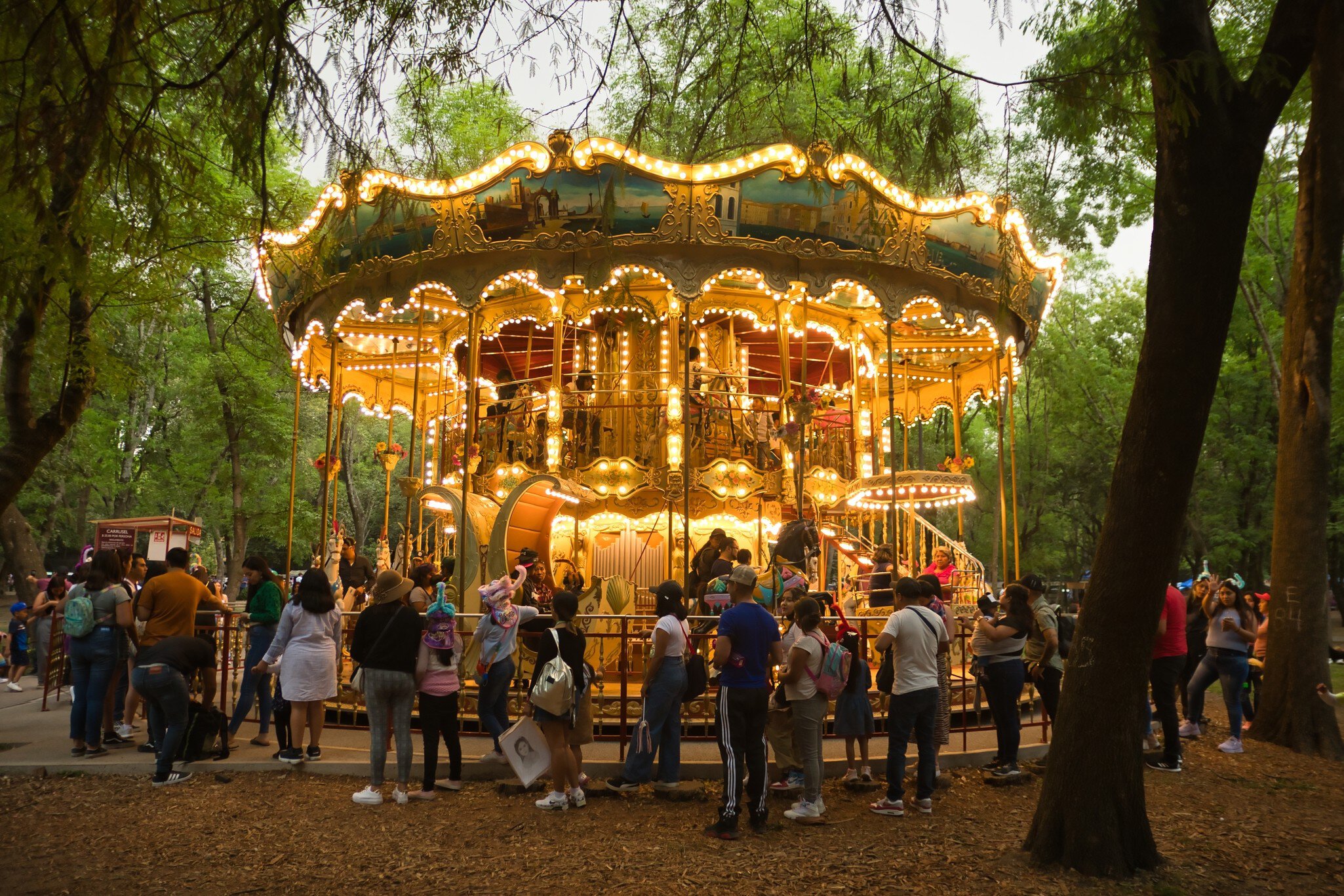
Family travel is no longer an afterthought in Mexico’s tourism strategy. The country’s destinations are investing in experiences that respect children’s needs and parents’ desire for both safety and enrichment.
SAT Mexico Tours and Travel, 2025
The Core Principles of Structuring Family Travel Days
1. Prioritize Pacing Over Packed Itineraries
Children, especially younger ones, experience travel differently from adults. Long days filled with back-to-back activities can quickly lead to exhaustion and frustration. Instead, successful family travel in Mexico is built around a slower pace, with ample time for rest, snacks, and unstructured play.
Best Practice: Plan for one main activity in the morning, followed by a long lunch and downtime in the early afternoon. Reserve late afternoons for a secondary, low-energy outing—such as a visit to a local park, market, or swimming pool.
2. Align Activities with Children’s Ages and Interests
Mexico offers a wide range of experiences, from ancient ruins and bustling markets to wildlife reserves and water parks. Not all are suitable for every age group. For example, toddlers may enjoy shaded beaches and interactive museums, while older children and teenagers might prefer guided tours of archaeological sites or adventure parks.
Tip: Before finalizing your itinerary, review the age recommendations and accessibility notes for each attraction. Many museums and parks in Mexico City, Cancún, and Mérida now provide detailed information on their websites.
3. Build in Flexibility for Meals and Rest
Meal times and rest periods are anchors in a child’s day. Mexican cuisine is diverse and generally family-friendly, but not all restaurants cater to young children’s schedules or dietary needs. Markets and casual eateries often provide the most flexibility.
Advice: Carry snacks, water, and a lightweight stroller or carrier for younger children. Identify nearby parks or quiet plazas where your family can take breaks away from crowds and noise.
Daily Structure: A Sample Family Travel Day in Mexico
To illustrate how these principles come together, here is a sample structure for a travel day in a family-friendly Mexican destination:
Morning (8:00–11:30 AM)
- Breakfast at your accommodation or a local café.
- Main activity: Visit a museum (e.g., Papalote Children’s Museum in Mexico City) or explore a nearby archaeological site (e.g., Tulum Ruins).
- Allow time for transitions and bathroom breaks.
Midday (12:00–2:00 PM)
- Lunch at a family-friendly restaurant or market.
- Unstructured time: Let children play in a park or rest in a shaded area.
Afternoon (2:30–5:00 PM)
- Return to your accommodation for quiet time, naps, or swimming.
- Optional: Short walk to a local plaza or artisan market.
Evening (5:30–8:00 PM)
- Light dinner, ideally with outdoor seating.
- Early bedtime for younger children; older children may enjoy a cultural performance or evening stroll.
This structure can be adapted based on your children’s ages, the climate, and the specific destination.
Seasonal and Regional Considerations
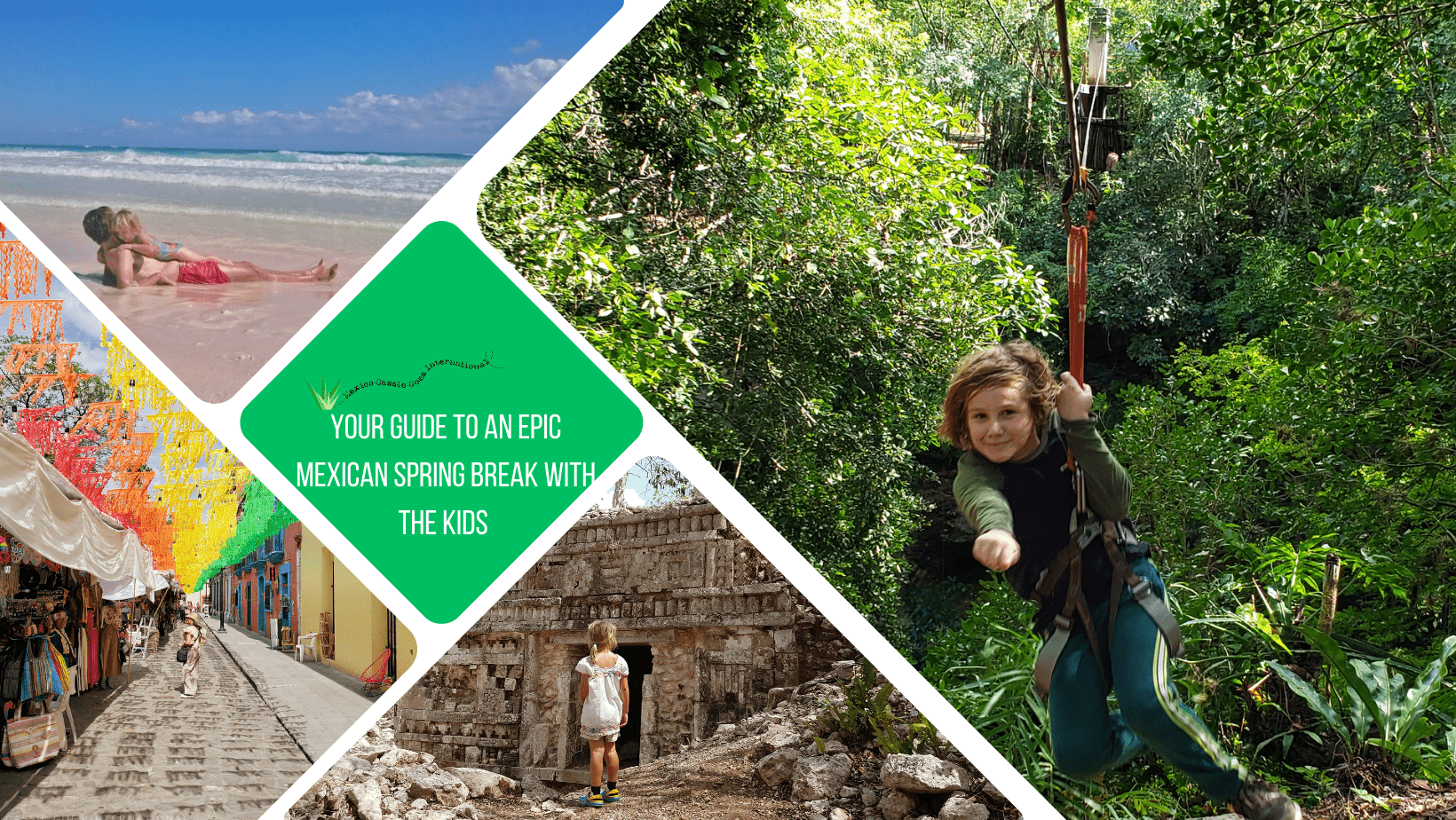
Family travel patterns in Mexico are shaped by both local and international school calendars. Peak periods—such as Easter, summer, and winter holidays—bring larger crowds and higher prices, especially in beach destinations like Cancún and Puerto Vallarta. Interior cities such as Oaxaca, Guanajuato, and Mérida tend to be less crowded and offer more authentic experiences during these times.
Historical Note: Since the 1990s, the expansion of domestic tourism and improved road networks have made it easier for families to explore beyond the traditional resort areas. This has led to a rise in family-friendly offerings in smaller cities and towns.
Climate and Daily Rhythms
Mexico’s climate varies widely by region and season. In the Yucatán Peninsula, for example, midday heat can be intense, making early mornings and late afternoons the best times for outdoor activities. In central highland cities, temperatures are milder, but sudden rain showers are common during the summer.
Planning Tip: Check local weather forecasts and adjust your daily schedule accordingly. Always carry sun protection, hats, and reusable water bottles.
Navigating Transport and Accessibility
Getting Around with Children
Mexico’s improved transport infrastructure has made family travel more manageable. In major cities, taxis and ride-sharing services are widely available, and many offer child car seats upon request. Long-distance bus services are comfortable and reliable, with rest stops and onboard amenities.
Accessibility: Sidewalks and public spaces in some cities may still present challenges for strollers or wheelchairs. Research your destination’s accessibility features in advance, and consider bringing a lightweight, foldable stroller for urban exploration.
Safety and Health
Safety is a common concern for families traveling in Mexico. Over the past two decades, increased police presence, better lighting, and enhanced monitoring in tourist areas have improved security. Health services are widely available in major destinations, and pharmacies are well-stocked.
Health Advice: Stick to bottled or filtered water, especially for young children. Carry a basic first-aid kit and familiarize yourself with the location of the nearest clinic or hospital.
Choosing Accommodations: What Matters Most
Family-friendly accommodations in Mexico now range from all-inclusive resorts to boutique hotels and vacation rentals. When selecting a place to stay, consider the following:
- Room configuration: Suites or connecting rooms provide space and privacy.
- On-site amenities: Pools, playgrounds, and kids’ clubs can make downtime enjoyable.
- Proximity to attractions: Staying within walking distance of key sites reduces transit time and stress.
As highlighted in a recent review:
The hotel room you choose matters. You will spend more time in your room than you may prefer, so choose wisely. Look for hotels that have connecting rooms and suites and give you a little more room to spread out.
Hip Travel Mama, 2024
Trends and Business Insights: The Changing Face of Family Tourism
The growth of family tourism in Mexico is not just a matter of numbers—it reflects changing values and expectations. Families are seeking more than just relaxation; they want cultural immersion, educational experiences, and opportunities for children to learn and grow.
Key Trends:
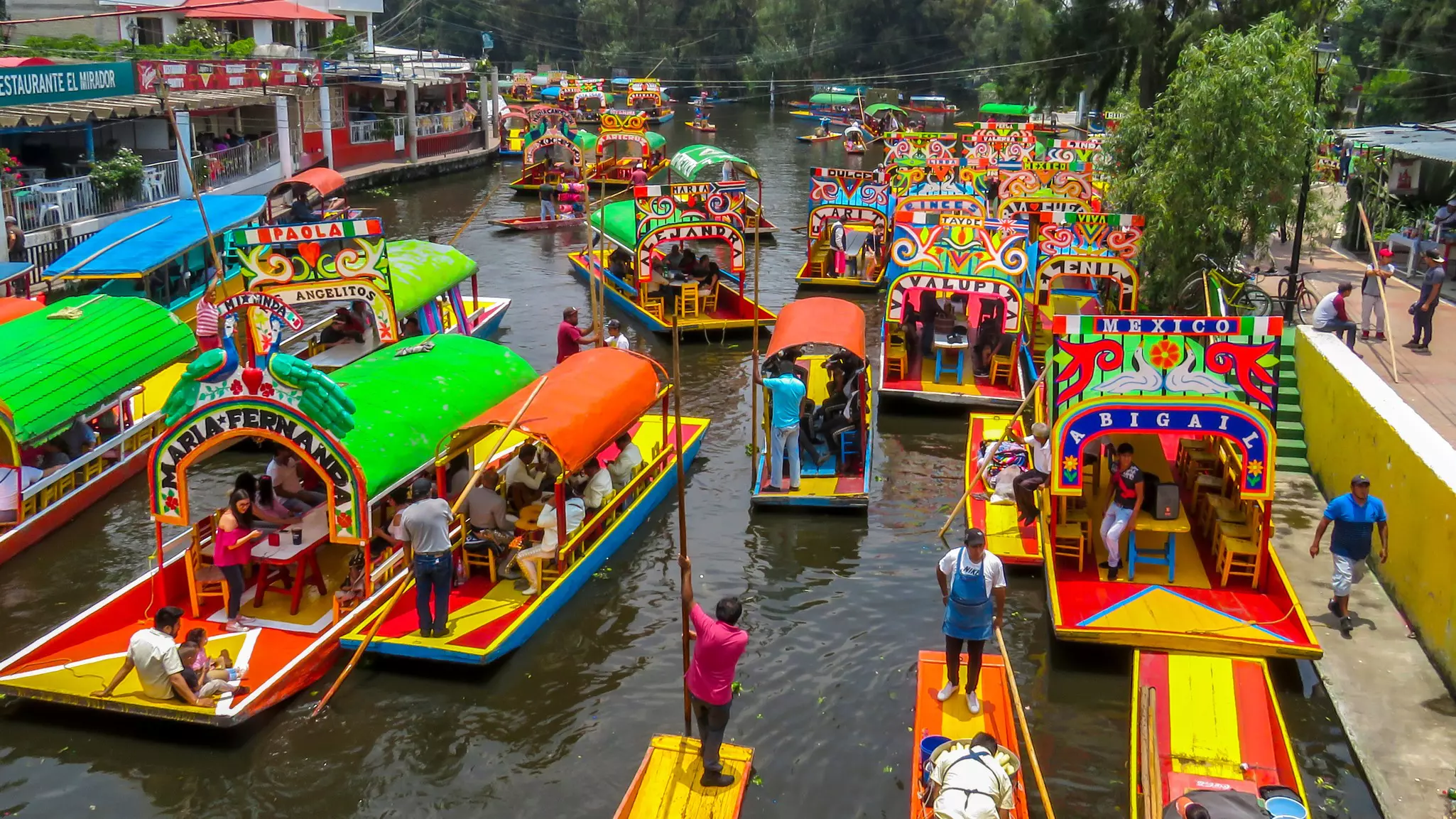
- Rise of educational travel: Museums, eco-parks, and guided tours now offer programs tailored to children’s learning.
- Sustainable tourism: Many destinations are investing in conservation and community-based tourism, providing families with meaningful ways to engage with local culture and nature.
- Technology and planning: Online booking platforms and mobile apps have made it easier for families to research, reserve, and adjust their plans on the go.
Practical Resources and Further Reading
For families planning a trip to Mexico, reliable information is essential. The following resources offer practical guidance and up-to-date details:
- Ultimate Guide to Travel Mexico with Children – Rutopia
- Tips for how to travel to Mexico with kids – Simple Bites
- How to Plan the Perfect Family-Friendly Vacation in Mexico – SAT Mexico Tours and Travel
- Yucatan with Kids: Planning an Epic Family Vacation in 2026 – A Little Adrift
- 10 Days in Mexico – 6 Family-Friendly Itinerary Ideas – kimkim
By structuring your travel days with intention and preparation, you can create a family trip through Mexico that is both enjoyable and manageable. The country’s evolving infrastructure, diverse attractions, and welcoming culture make it an excellent choice for families—provided you plan with care and respect for everyone’s needs.