
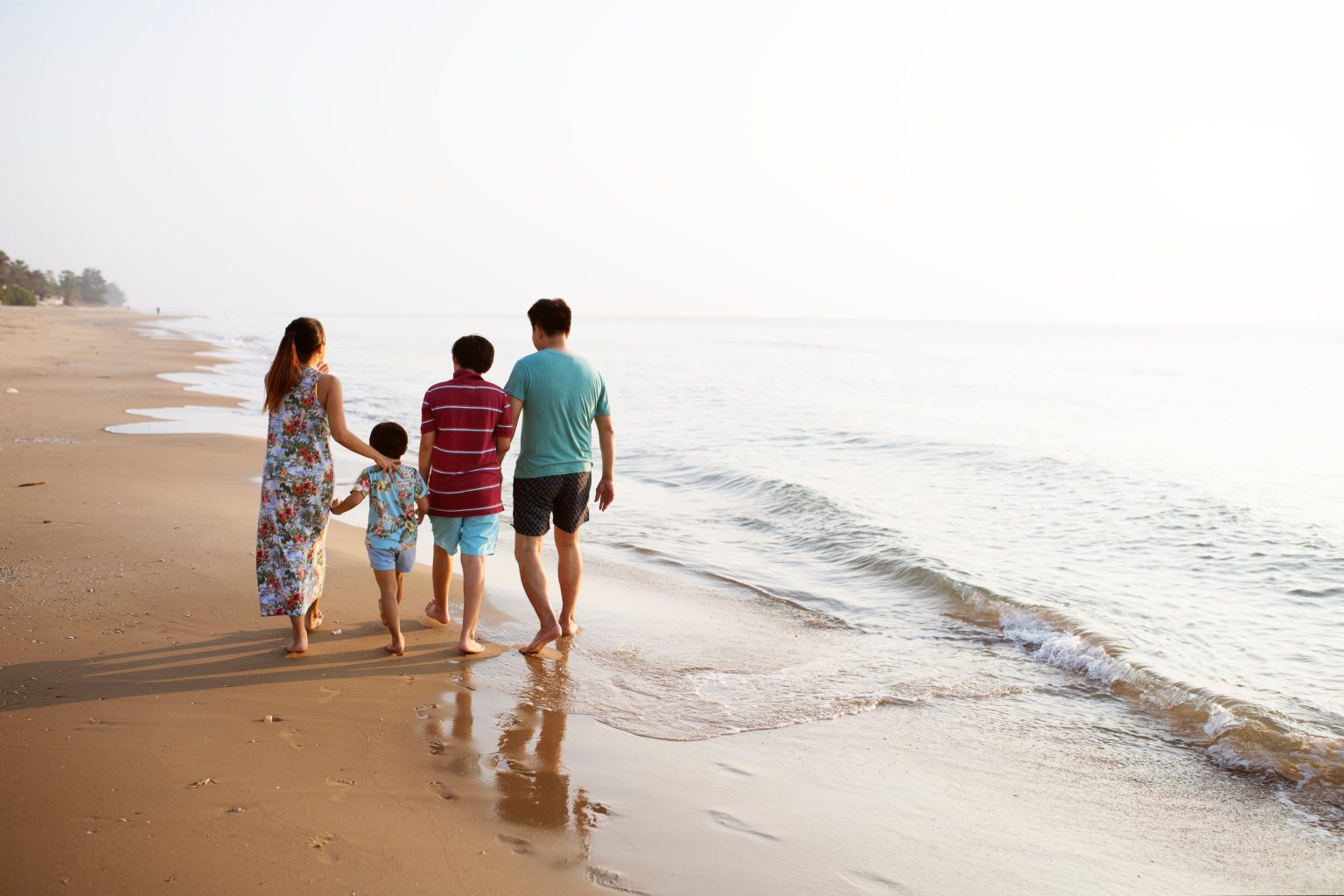
The Riviera Maya, stretching along Mexico’s Caribbean coast, has become one of the most popular destinations for families seeking both relaxation and cultural discovery. For parents planning their first trip, the region’s reputation for turquoise waters and ancient ruins is only part of the story. Understanding how to navigate its evolving infrastructure, seasonal rhythms, and family-focused offerings is essential for a trip that is enjoyable for all ages. This guide provides a clear, structured overview of what families can expect, how the region has adapted to family travel over time, and how to plan a trip that balances adventure with comfort.
- The Evolution of Family Travel in the Riviera Maya
- When to Visit: Seasonal Considerations for Families
- Where to Stay: Resort, Rental, or Boutique Hotel?
- Getting Around: Transport and Daily Pacing
- What to Do: Activities for All Ages
- Practical Planning: Packing, Safety, and Health
- Trends and Business Insights: The Riviera Maya’s Family Focus
- Key Takeaways for First-Time Family Travelers
- Further Reading and Resources
The Evolution of Family Travel in the Riviera Maya
Since the 1990s, the Riviera Maya has transformed from a collection of all-inclusive resorts into a diverse, accessible, and sophisticated destination for families. The early years saw the rise of bundled resort experiences, but the last two decades have brought significant changes:
- Theme and Eco-Parks: The opening of Xcaret, Xel-Há, and similar parks introduced immersive, educational, and nature-based experiences for children and adults alike.
- Family-Focused Resorts: Hotels now offer family suites, kids’ clubs, and tailored amenities, making it easier for parents to travel with children of all ages.
- Improved Accessibility: Upgrades to highways and the expansion of Cancún International Airport have made the region more accessible, with direct flights from major U.S. and European cities.
- Sustainable and Boutique Options: Recent years have seen a shift toward eco-friendly resorts and boutique accommodations, catering to families seeking privacy and responsible tourism.
These developments mean that families today have more choices than ever, but also more decisions to make. The following sections break down the key considerations for planning your first trip.
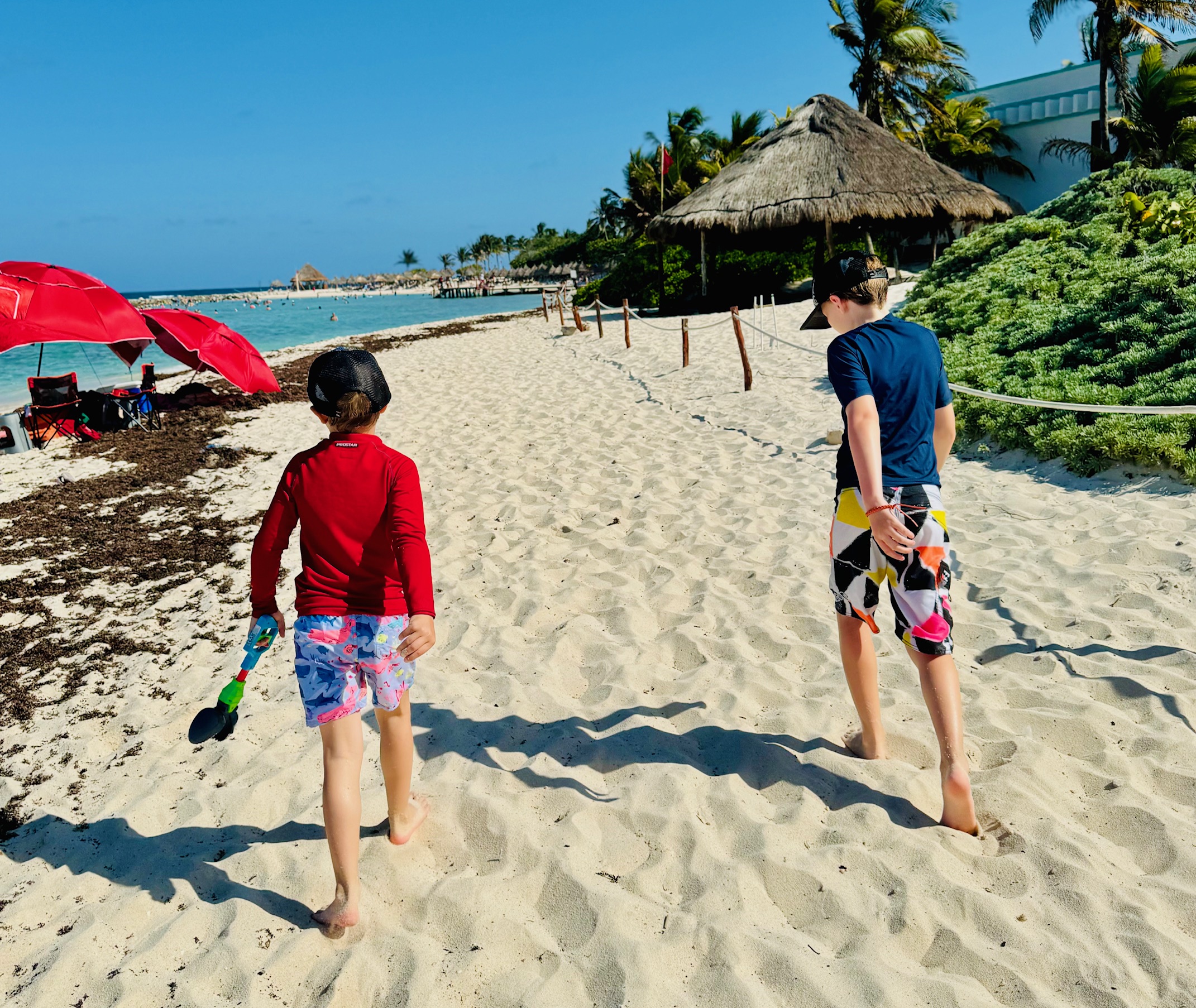
When to Visit: Seasonal Considerations for Families
The Riviera Maya’s climate is tropical, with warm temperatures year-round. However, timing your visit can make a significant difference in comfort, crowd levels, and cost.
- Peak Season: December through April is the driest and most popular period, coinciding with winter holidays and spring break. Expect higher prices and larger crowds, especially at major attractions and resorts.
- Shoulder Seasons: May–June and September–November offer fewer crowds and better rates, but be mindful of the rainy season (especially September and October). Occasional storms are possible, but many families find these months manageable with flexible plans.
- Summer: July and August are hot and humid, with increased risk of rain. This period is popular with families due to school holidays, but outdoor activities may require early starts and frequent breaks.
For families with young children or those sensitive to heat, the shoulder seasons often provide the best balance of weather and accessibility.
Where to Stay: Resort, Rental, or Boutique Hotel?
Accommodation in the Riviera Maya ranges from large all-inclusive resorts to vacation rentals and boutique hotels. Each option has distinct advantages and trade-offs for families:
- All-Inclusive Resorts: These properties offer bundled meals, activities, and entertainment, often with kids’ clubs and family pools. They are convenient for parents who want a structured environment and minimal daily planning. Downsides can include crowded facilities and less flexibility for exploring local culture.
- Vacation Rentals: Apartments and houses provide space, kitchens, and privacy—ideal for families with young children or those staying longer. Rentals in Playa del Carmen or Tulum offer easy access to beaches and attractions, but require more self-sufficiency.
- Boutique and Eco-Hotels: Smaller properties often emphasize sustainability and personalized service. These can be a good fit for families seeking a quieter, more intentional experience, though amenities may be more limited.
We loved having a bedroom for each of the kids, a full kitchen and laundry facilities. With two small kids, we love having all the comforts of home.Celine Brewer, Family Can Travel
When choosing accommodation, consider proximity to key attractions, access to transport, and the daily routines of your children.
Getting Around: Transport and Daily Pacing
The Riviera Maya is well-connected by highways, and most families arrive via Cancún International Airport. From there, options include:
- Private Transfers: Pre-booked shuttles or taxis are the simplest way to reach your hotel or rental, especially after a long flight.
- Car Rental: Renting a car offers flexibility for day trips to ruins, cenotes, and parks. However, driving in the region requires attention to local traffic rules and parking availability.
- Public Transport: ADO buses and colectivos (shared vans) connect major towns and attractions. These are affordable and reliable, but may not suit families with strollers or large amounts of luggage.
Daily pacing is crucial. Distances between attractions can be longer than they appear, and heat or crowds can slow progress. Plan for early starts, midday breaks, and realistic travel times.
What to Do: Activities for All Ages
The Riviera Maya offers a wide range of activities suitable for toddlers, school-age children, and teenagers. Some highlights include:
- Beaches: Akumal Beach is renowned for calm waters and snorkeling with sea turtles. Playa del Carmen and Tulum offer family-friendly stretches of sand with nearby amenities.
- Cenotes: Natural freshwater pools like Multun-Ha and Kantun-Chi provide unique swimming experiences. Some cenotes are shallow and accessible for young children, while others are better suited to older kids and teens.
- Mayan Ruins: Tulum and Coba are the most accessible archaeological sites. Both require walking and sun protection; guided tours can add educational value and help manage logistics.
- Eco-Parks: Xcaret and Xel-Há combine wildlife, cultural exhibits, and water activities. These parks are designed for families, with facilities for all ages and interests.
- Wildlife Encounters: The Akumal Monkey Sanctuary and sea turtle farms on Isla Mujeres offer hands-on learning and conservation experiences.
There are lots of neat things to do with kids if you want to, and it’s equally easy to chill out and relax if you don’t want to do much.Eileen P. Gunn, FamiliesGo!
When planning activities, consider the energy levels and interests of your children. Mix active days with downtime, and allow for flexibility.
Practical Planning: Packing, Safety, and Health
Preparation is key to a smooth family trip. Consider the following:
- Packing: Lightweight clothing, sun hats, reef-safe sunscreen, insect repellent, and reusable water bottles are essentials. For cenotes and eco-parks, water shoes and quick-dry towels are recommended. Many families forget items like rash guards, child-sized snorkel gear, or portable fans.
- Health and Safety: Tap water is not potable; use bottled or filtered water for drinking and brushing teeth. Most resorts and restaurants cater to dietary restrictions, but check in advance if your child has allergies. Medical facilities are available in major towns, but travel insurance is recommended.
- Crowds and Security: Tourist areas are generally safe, but standard precautions apply. Supervise children closely in crowded places and at the beach. Use hotel safes for valuables.
Trends and Business Insights: The Riviera Maya’s Family Focus
The Riviera Maya’s evolution reflects broader trends in global family tourism:

- Multi-Generational Travel: Resorts and rentals increasingly cater to grandparents, parents, and children traveling together, offering larger suites and flexible amenities.
- Sustainable Tourism: Eco-parks and boutique hotels emphasize conservation and cultural education, responding to demand for responsible travel.
- Digital Booking and Customization: Online platforms make it easier to compare options, read reviews, and tailor trips to family needs.
- Year-Round Appeal: Improved infrastructure and diverse offerings have extended the region’s appeal beyond traditional peak seasons.
These trends have made the Riviera Maya a model for family-friendly tourism, balancing convenience with authentic experiences.
Key Takeaways for First-Time Family Travelers
- Start with a clear itinerary, but allow for flexibility. Over-scheduling can lead to exhaustion, especially in the heat.
- Choose accommodation that matches your family’s routines and comfort needs. Proximity to attractions and access to amenities matter more than luxury.
- Mix cultural, natural, and leisure activities. The region’s diversity is its strength, but pacing is essential.
- Prepare for the climate and local conditions. Sun protection, hydration, and rest breaks are non-negotiable.
- Use trusted transport and plan for realistic travel times. Distances can be deceptive, and traffic varies by season.
Further Reading and Resources
- Riviera Maya: 5+ Unique Things To Do With Kids Of Every Age (FamiliesGo!)
- Plan the Best Family Trip to the Mayan Riviera (Family Can Travel)
- Riviera Maya Itinerary for Families (Agave Villas)
- Mini Travel Guide To Riviera Maya, Mexico: What To Do, Eat & Wear (The Mom Edit)
For official updates and local tips, consider joining community groups such as Riviera Maya travel tips for first timers (Facebook)
By understanding the Riviera Maya’s history, infrastructure, and current trends, families can plan trips that are both memorable and manageable. Preparation, realistic expectations, and thoughtful pacing are the keys to a rewarding experience for all ages.