
Why Colonial Towns Matter for Family Travel
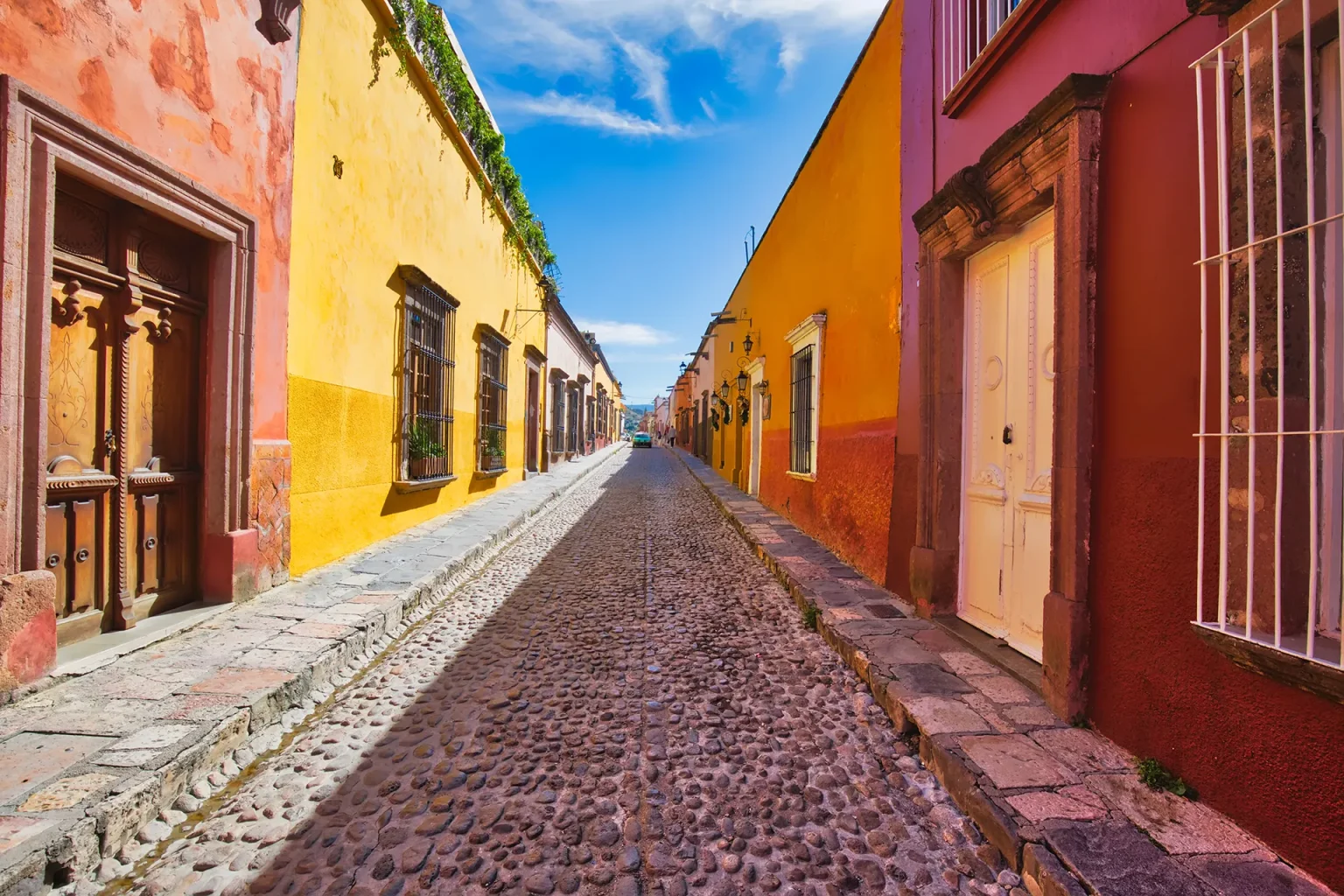
For families seeking to experience Mexico’s culture beyond its beaches and resorts, colonial towns offer a unique blend of history, architecture, and community life. These destinations—rooted in centuries-old plazas, colorful facades, and vibrant markets—invite families to slow down, explore on foot, and connect with the rhythms of local life. Yet, planning a family trip to these towns requires more than inspiration; it demands clarity about logistics, seasonality, and the evolving infrastructure that supports family travelers today.
- Why Colonial Towns Matter for Family Travel
- Understanding Colonial Towns: Historical Context and Modern Realities
- Key Trends: How Family Travel Has Changed in Colonial Mexico
- 1. Improved Transportation and Accessibility
- 2. Family-Friendly Accommodations and Amenities
- 3. Cultural Programming and Festivals
- 4. Safety, Health, and Practical Considerations
- What to Expect in Mexico’s Top Colonial Towns
- Guanajuato: Colorful Streets and Cultural Depth
- San Miguel de Allende: Art, Architecture, and Community
- Puebla: Culinary Heritage and Accessible Exploration
- Oaxaca: Markets, Festivals, and Indigenous Traditions
- San Cristóbal de las Casas: Mountain Air and Multicultural Encounters
- Morelia: Monumental Architecture and Urban Green Spaces
- When and How to Visit
- Best Ages for Colonial Town Travel
- Seasonal Considerations for Families
- Daily Pacing and Transport
- Safety and Health
- The Economic and Social Impact of Family Tourism
- Key Features of Mexico’s Top Colonial Towns for Families
- Making the Most of Mexico’s Colonial Towns as a Family
This feature provides a structured overview of Mexico’s best colonial towns for families, drawing on historical context, recent trends, and practical planning data. Whether you are considering your first trip or returning to explore new regions, this guide will help you understand what to expect, how to prepare, and how these destinations have adapted to welcome families over time.
Understanding Colonial Towns: Historical Context and Modern Realities
Mexico’s colonial towns emerged between the 16th and 18th centuries, shaped by Spanish architecture, mining wealth, and the blending of indigenous and European cultures. Cities like Guanajuato, San Miguel de Allende, Puebla, and Oaxaca became centers of commerce, religion, and art. Over the past three decades, these towns have transformed from regional hubs into global tourism destinations, with infrastructure and amenities evolving to meet the needs of families and multigenerational travelers.
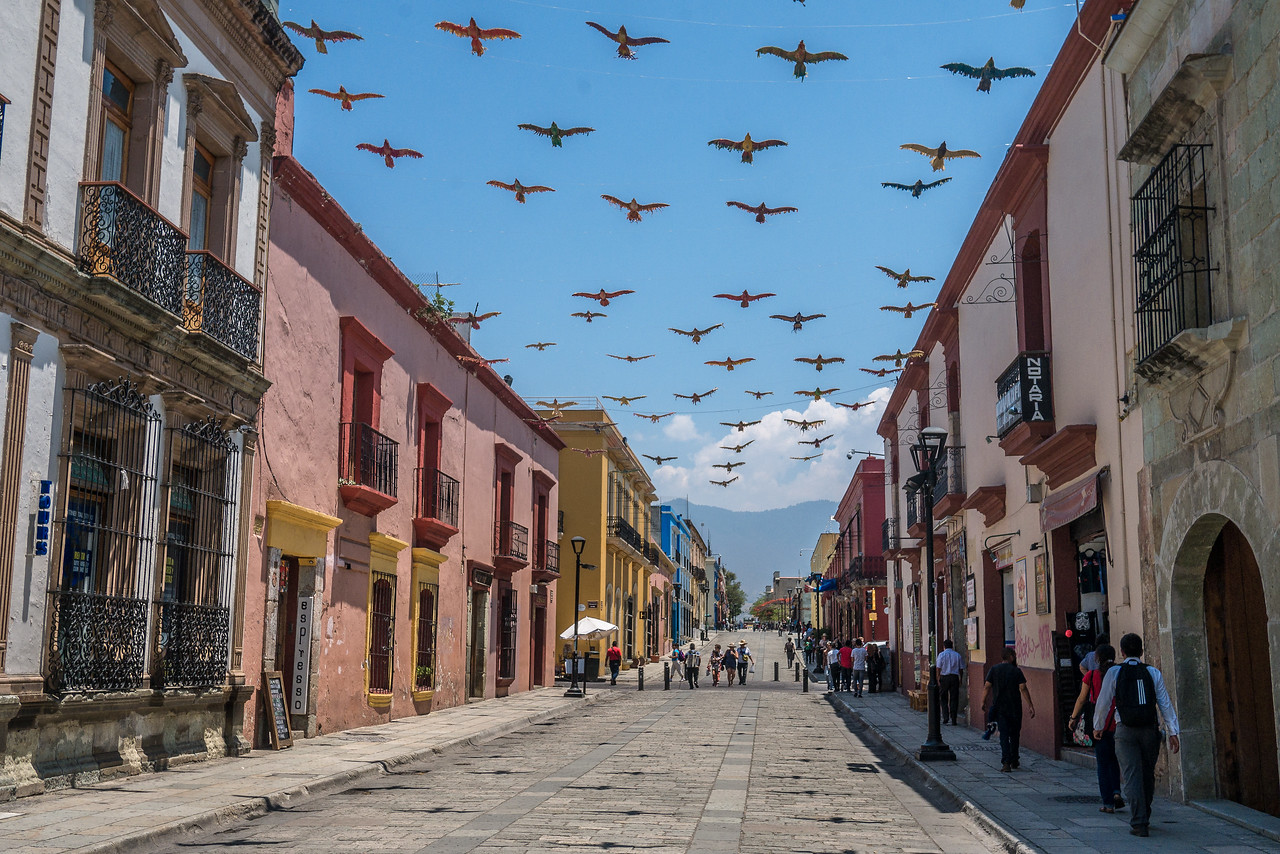
According to historical research, since the 1990s, colonial towns in Mexico have become much more accessible and accommodating for family travel, thanks to better transportation, improved amenities, and a broader range of activities. These changes have made it easier for families to explore and enjoy the rich culture and history of Mexico’s colonial heartlands.
Key Trends: How Family Travel Has Changed in Colonial Mexico
1. Improved Transportation and Accessibility
The expansion of first-class bus services, new highways, and regional airports has made it easier for families to reach even smaller colonial towns. For example, direct bus routes now connect Mexico City with Guanajuato, Morelia, and Puebla, reducing travel times and increasing comfort. Many towns have invested in pedestrian-friendly zones, making it safer and more enjoyable to explore with children.
2. Family-Friendly Accommodations and Amenities
Boutique hotels, vacation rentals, and restored haciendas now cater to families, offering amenities such as interconnected rooms, on-site dining, and access to local guides. Public spaces—central plazas, parks, and museums—have been renovated to be more inclusive, with playgrounds and interactive exhibits designed for younger visitors.
3. Cultural Programming and Festivals
Colonial towns are renowned for their festivals, from Day of the Dead celebrations in Patzcuaro to the Cervantino Festival in Guanajuato. Many events now include family-friendly activities, workshops, and performances, making it possible for children to engage with local traditions in age-appropriate ways.
4. Safety, Health, and Practical Considerations
While colonial towns are generally safe, families should be aware of local conditions—such as altitude in Guanajuato and San Miguel de Allende, or seasonal weather patterns in Oaxaca and Puebla. Medical facilities have improved, but it is advisable to know the location of the nearest clinic or hospital, especially when traveling with young children.
What to Expect in Mexico’s Top Colonial Towns
Guanajuato: Colorful Streets and Cultural Depth
Best for: School-age children and teenagers who enjoy history, museums, and walking tours.
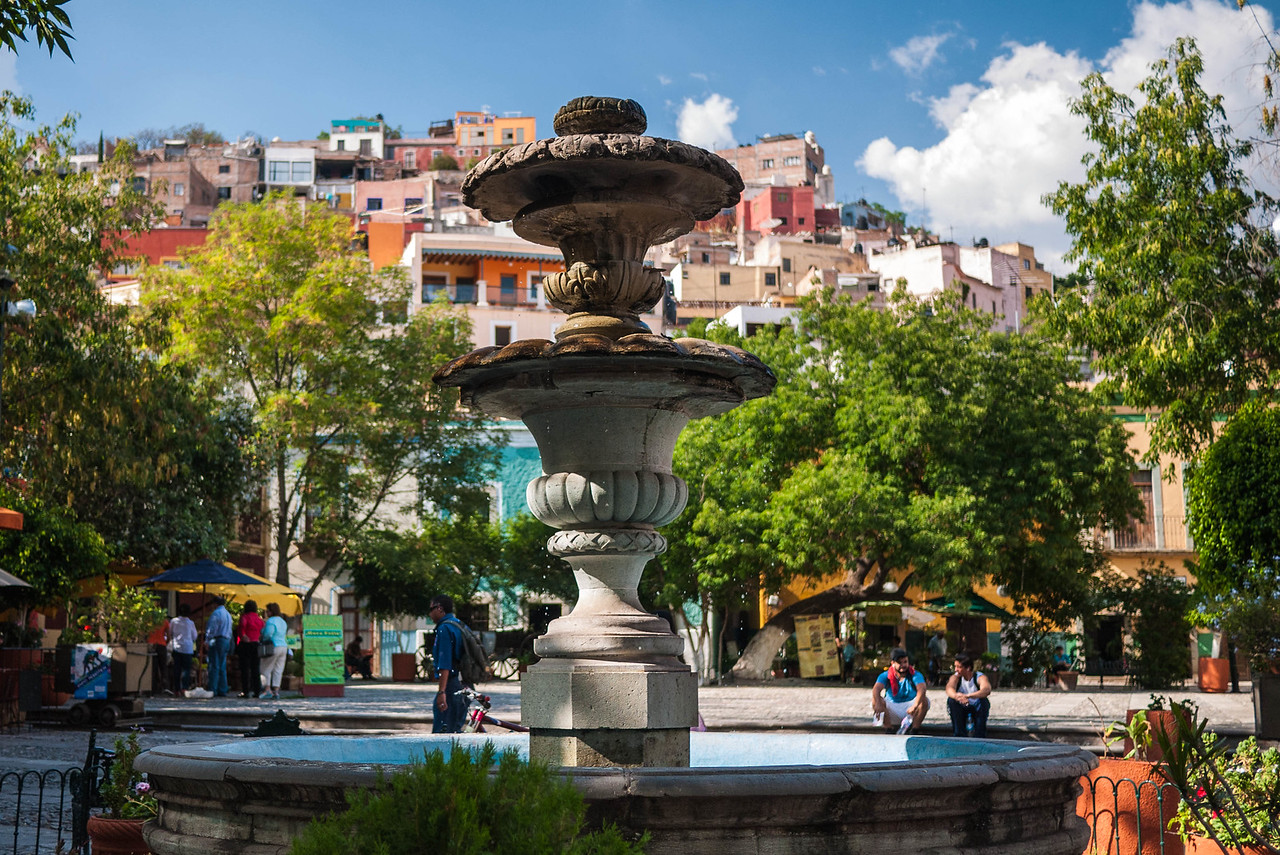
Guanajuato’s winding alleys, underground roads, and vibrant plazas create a sense of adventure for families. The city’s museums—such as the Museo de las Momias and the Alhóndiga de Granaditas—offer educational experiences, while the annual Cervantino Festival brings music and theater to the streets. Be prepared for steep hills and uneven sidewalks; strollers can be challenging, so carriers or backpacks are recommended for younger children.
San Miguel de Allende: Art, Architecture, and Community
Best for: Families with children of all ages, especially those interested in art and hands-on workshops.
San Miguel de Allende is known for its pink-spired Parroquia, cobblestone streets, and thriving arts scene. Many local studios and cultural centers offer workshops for children, from pottery to painting. The town’s compact center is walkable, but some streets are steep. Family-friendly restaurants and accommodations are plentiful, and the town’s relaxed pace suits multigenerational groups.
Puebla: Culinary Heritage and Accessible Exploration
Best for: Families seeking a mix of history, food, and easy navigation.
Puebla’s UNESCO-listed historic center features ornate churches, Talavera-tiled buildings, and a lively zócalo (main square). The city is famous for its cuisine—mole poblano and traditional sweets—and many restaurants offer child-friendly menus. Puebla’s flat terrain and wide sidewalks make it accessible for strollers, and nearby Cholula offers additional cultural and archaeological sites.
Oaxaca: Markets, Festivals, and Indigenous Traditions
Best for: Families interested in markets, crafts, and cultural immersion.
Oaxaca’s historic center is a tapestry of colonial architecture, bustling markets, and indigenous traditions. The city’s museums and workshops provide hands-on learning, while the nearby Monte Albán archaeological site offers opportunities for exploration. Oaxaca is especially vibrant during festivals such as Guelaguetza (July) and Day of the Dead (late October–early November), but these periods can be crowded and require advance planning.
San Cristóbal de las Casas: Mountain Air and Multicultural Encounters
Best for: Families with older children who enjoy nature, markets, and cultural diversity.
Nestled in the highlands of Chiapas, San Cristóbal de las Casas blends colonial charm with indigenous heritage. The town’s artisan markets, colorful churches, and nearby nature reserves offer a range of activities. The altitude (over 2,000 meters) and cooler climate may require adjustment, and some streets are steep and cobbled.
Morelia: Monumental Architecture and Urban Green Spaces
Best for: Families looking for a balance of history, parks, and urban amenities.
Morelia’s grand cathedral, tree-lined avenues, and spacious plazas provide a welcoming environment for families. The city’s museums and cultural centers often host children’s programming, and the local cuisine is both accessible and varied. Morelia’s central location makes it a convenient base for exploring nearby towns and natural attractions.
When and How to Visit
Best Ages for Colonial Town Travel
Most colonial towns are suitable for children of all ages, but families with infants or toddlers should consider the challenges of cobblestone streets, uneven sidewalks, and limited stroller access. School-age children and teenagers often engage more deeply with the history, art, and cultural activities available.
Seasonal Considerations for Families
The dry season (November to April) offers the most comfortable weather for walking and outdoor activities. Major festivals—such as Day of the Dead, Semana Santa (Holy Week), and local patron saint celebrations—can be rewarding but also bring crowds and higher accommodation prices. Advance booking is essential during these periods.
Daily Pacing and Transport
Colonial towns are best explored at a slow pace, with frequent breaks in plazas, cafes, and parks. Many towns are compact and walkable, but local taxis and ride-sharing services are available for longer distances or when children tire. Intercity bus services are reliable and comfortable, with options for direct routes between major destinations.
Safety and Health
While colonial towns are generally safe, families should take standard precautions—keeping valuables secure, supervising children in crowded areas, and being aware of local traffic patterns. It is advisable to carry a basic first-aid kit and know the location of the nearest medical facility.
The Economic and Social Impact of Family Tourism
The growth of family travel in colonial towns has contributed to local economies by supporting small businesses, artisans, and community-based tourism initiatives. According to industry reports, the expansion of family-friendly accommodations and cultural programming has increased average visitor stays and diversified the tourism sector.
The trend toward slower, more intentional travel—focusing on learning, connection, and community—has also fostered greater respect for local traditions and sustainability.
Key Features of Mexico’s Top Colonial Towns for Families
| Town | Best For | Accessibility | Family Amenities | Notable Events/Festivals |
|---|---|---|---|---|
| Guanajuato | History, museums, teens | Moderate | Museums, plazas | Cervantino Festival (Oct) |
| San Miguel de Allende | Art, workshops, all ages | Good | Art centers, parks | Patron Saint Fest (June), Art Fairs |
| Puebla | Food, history, easy navigation | Excellent | Wide sidewalks, museums | Day of the Dead (Nov), Mole Festival |
| Oaxaca | Markets, crafts, festivals | Good | Workshops, markets | Guelaguetza (July), Day of the Dead |
| San Cristóbal de las Casas | Nature, markets, older kids | Moderate | Artisan markets, parks | Spring Festival, Indigenous Fairs |
| Morelia | Architecture, parks, urban base | Good | Parks, museums | International Film Festival (Oct) |
Making the Most of Mexico’s Colonial Towns as a Family
Mexico’s colonial towns offer families a chance to experience history, culture, and community in a setting that encourages curiosity and connection. The evolution of infrastructure, programming, and amenities over the past three decades has made these destinations more accessible and rewarding for families than ever before. By planning thoughtfully—considering timing, pacing, and the specific needs of your children—you can create a trip that is both manageable and memorable.
As always, preparation is key. Understanding the realities of travel in these towns—both the opportunities and the constraints—will help you make informed decisions and enjoy the richness of Mexico’s colonial heritage with confidence.