
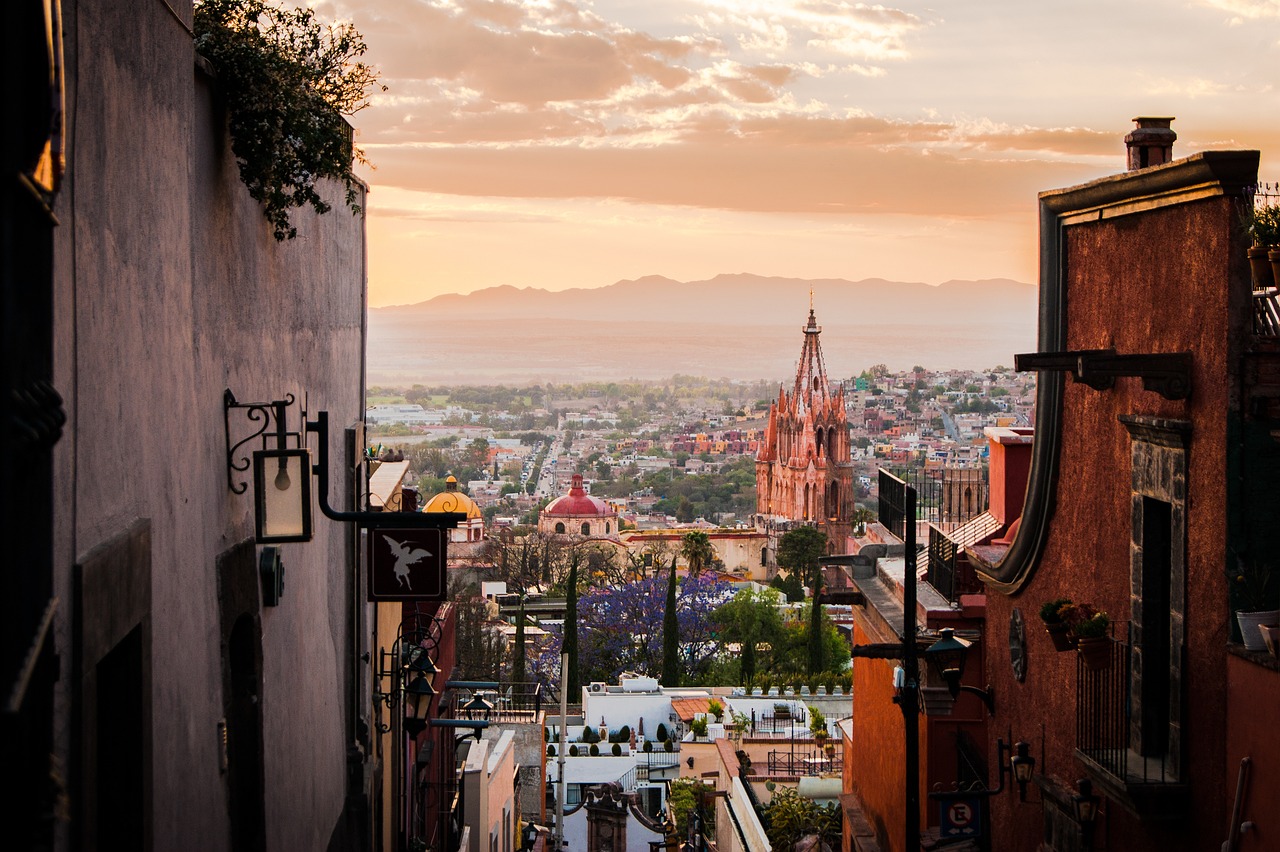
If you’ve ever wondered what it feels like to step into a living canvas—where every street corner bursts with color, every rooftop hums with laughter, and every sunset feels like a private show—let me introduce you to San Miguel de Allende. This isn’t just a destination; it’s a mood, a movement, and, increasingly, a model for how tourism can uplift a community without losing its corazón.
The Renaissance of a Colonial Gem
San Miguel de Allende, perched high in the central highlands of Mexico, has always been a city with a flair for reinvention. Founded in 1542 as a Spanish frontier outpost, it later became a cradle of Mexico’s independence and, by the mid-20th century, a magnet for artists and dreamers. But it’s in the last three decades that San Miguel has truly blossomed—transforming from a well-kept secret into a global darling, crowned “Best City in the World” multiple times by Travel + Leisure and a UNESCO World Heritage Site since 2008.
What’s behind this meteoric rise? It’s a heady blend of history, hospitality, and a dash of magic. The city’s cobblestone streets and pink-hued Parroquia de San Miguel Arcángel are as photogenic as ever, but it’s the creative energy—found in its galleries, festivals, and farm-to-table restaurants—that keeps visitors coming back for more. As one recent traveler put it, San Miguel is as breathtaking and cinematic as it looks, but the vibe remains authentically Mexican and the people are some of the friendliest we’ve met in any of our travels. The Keenan Blogger
From Expat Haven to Global Hotspot
Let’s talk numbers and trends. Since the 1990s, San Miguel has seen a steady uptick in both domestic and international visitors, especially from the U.S. and Canada. The city’s inclusion in Mexico’s Pueblos Mágicos program in 2001 and its UNESCO designation in 2008 turbocharged its profile, drawing in not just tourists but also investors, hoteliers, and a cosmopolitan wave of new residents.
By the 2010s, San Miguel had shifted from a bohemian expat enclave to a high-value tourism hub. Boutique hotels, luxury resorts like the Rosewood and Casa de Sierra Nevada, and a constellation of art galleries and culinary hotspots have turned the city into a playground for foodies, creatives, and romantics alike. According to the OECD, tourism became a primary driver of the local economy, with ripple effects benefiting artisans, restaurateurs, and even nearby towns.
But this boom hasn’t come without its challenges. Rising real estate prices and concerns about over-tourism have sparked debates about sustainability and inclusivity. The good news? San Miguel is leaning into these conversations, with policy shifts aimed at spreading tourism’s benefits beyond the historic center and championing eco-friendly, culturally immersive experiences.
Human Stories: The Heartbeat of San Miguel
What truly sets San Miguel apart isn’t just its accolades or Instagrammable vistas—it’s the people who call it home and the travelers who fall under its spell. Take the story of Doña Lupita, a third-generation artisan whose papel picado banners flutter above the Jardín Principal, or the young chef at a rooftop restaurant who fuses ancestral recipes with modern flair. Their stories are woven into the city’s fabric, reminding us that tourism, at its best, is about connection.
One of my favorite moments? Watching a parade of giant mojiganga puppets dance through the streets during Día de los Muertos, their papier-mâché faces grinning as locals and visitors alike join the revelry. It’s a scene that captures San Miguel’s spirit: joyful, inclusive, and a little bit surreal.
Creatives, foodies, and romantics gravitate to San Miguel de Allende from all parts of the world, adding a cosmopolitan flair to the city’s authentic Mexican character. The city’s Spanish colonial architecture is impressive, and it has become a magnet for artists of multiple disciplines due to the year-round springtime climate, beautiful landscapes, and spectacular lighting.
(Travel + Leisure)
What to See, Savor, and Celebrate
San Miguel is a city best explored on foot—and with an open heart. Here’s how to make the most of your visit:
Must-See Sights
- Parroquia de San Miguel Arcángel: The city’s iconic pink church, inspired by European cathedrals, is a marvel at any hour—especially at sunset from a rooftop bar.
- Centro Histórico: A UNESCO World Heritage zone, its ochre façades and leafy courtyards invite endless wandering.
- Fábrica La Aurora: Once a textile mill, now a creative complex brimming with galleries and studios.
- Charco del Ingenio Botanical Garden: An ecological reserve just outside the center, home to rare cacti and panoramic views.
Experiences to Remember
- Rooftop Dining: Sip a mezcal cocktail at Luna Rooftop or Atrio as the city glows below.
- Cooking Classes: Learn to make mole or salsas with local chefs—because nothing says “I love you” like homemade tortillas.
- Hot Springs: Soak in the geothermal waters at La Gruta or the candle-lit Mayan Baths for a wellness break.
- Festivals: From the wild costumes of Día de los Locos in June to the flower-filled Feria de la Candelaria in February, San Miguel’s calendar is a fiesta year-round.
Where to Stay
Whether you’re a luxury seeker or a backpacker, San Miguel has you covered:
- Rosewood San Miguel de Allende: A grand hacienda with the city’s best rooftop views.
- Casa de Sierra Nevada, A Belmond Hotel: For butler service and colonial elegance.
- La Valise San Miguel de Allende: An intimate, art-filled boutique stay.
- La Catrina Hostel: For budget travelers who want to be close to the action.
Find more options and reviews at Booking.com.
Business Insights: Tourism as a Force for Good
San Miguel’s tourism story is more than a tale of rising visitor numbers—it’s a case study in how thoughtful development can transform a city. Since the 1990s, tourism has fueled job creation, supported local artisans, and spurred infrastructure upgrades. The city’s embrace of luxury and cultural tourism has attracted high-value visitors, but there’s a growing emphasis on sustainability and community benefit.
Here’s a snapshot of key milestones:
| Period | Visitor Numbers & Recognition | Economic Impact | Major Milestones/Events |
|---|---|---|---|
| 1990s–2000s | Steady growth, rise in US/Canada visitors | Local economic boom, real estate growth | Arts scene, expat community expands |
| 2001 | Pueblos Mágicos program launched | ||
| 2008 | UNESCO World Heritage designation | Boost in tourism revenue | Heritage protection, global attention |
| 2013–2020 | “Best City in the World” accolades | Luxury tourism, high-value spending | Major festivals, infrastructure upgrades |
| 2015–present | Focus on sustainability, inclusivity | Spread of benefits to region | Policy shifts, eco/cultural tourism |
But as any good mariachi will tell you, harmony requires balance. San Miguel is now grappling with how to keep its magic alive—protecting its heritage, supporting local families, and ensuring that tourism remains a blessing, not a burden.
Founded in the 16th century, San Miguel de Allende is known for old world charm and first world amenities. A lively nightlife and abundance of fine restaurants give the mid-sized town a cosmopolitan vibrancy. The center of town is a time capsule of cobblestone streets lined with jewel tone colonial facades and stone colonnades, and overshadowed by La Parroquía, an immense neo-gothic church of pink stone.
(National Geographic)
The Future: Creativity, Community, and Conscious Travel
What’s next for San Miguel? If current trends are any indication, the city will continue to lead by example—championing regenerative tourism, supporting local entrepreneurs, and inviting travelers to be more than just spectators. Whether you’re joining a scavenger hunt through Zona Centro (Eventbrite), sipping wine at a nearby vineyard, or learning about the city’s revolutionary past, you’re part of a living story.
As you plan your visit, remember: San Miguel isn’t just a place to see. It’s a place to feel, to taste, and to belong. Pack your curiosity, your appetite, and maybe a light sweater for those cool highland nights. The city—and its people—will do the rest.
Ready to wander San Miguel’s cobblestone streets? Here are some links to help you dive deeper:
- The Ultimate Travel Guide to San Miguel de Allende, Mexico (Bon Traveler)
- San Miguel de Allende City Guide: The Best Small City in the World? (The Keenan Blogger)
- San Miguel de Allende Travel Guide | National Geographic
- San Miguel de Allende: A Complete Travel Guide for 2026 (Context Travel)
- A Thrilling Scavenger Hunt! – Zona Centro Quest Fiesta (Eventbrite)
- Booking.com: Hotels in San Miguel de Allende
And if you’re lucky enough to visit during Día de Muertos, don’t miss the guided tours and festivities—just follow the marigolds and the sound of laughter.