
From Barefoot Dream to Global Powerhouse
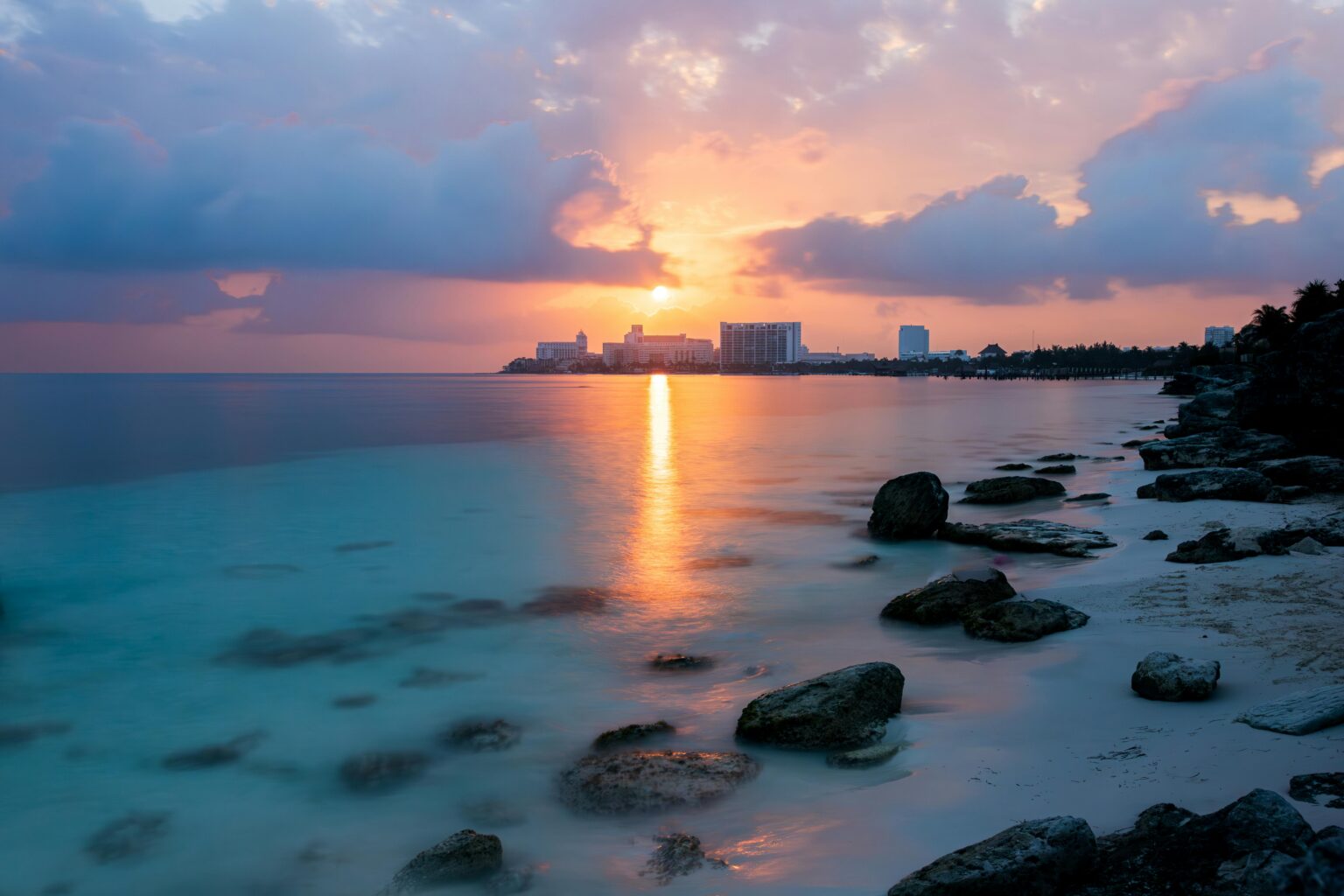
If you close your eyes and listen, you can almost hear it: the gentle crash of turquoise waves, the laughter of families building sandcastles, the sizzle of tacos al pastor on a beachside grill. Cancún is more than a postcard—it’s a living, breathing story of reinvention, resilience, and radiant possibility. As we stand in October 2025, Cancún is not just Mexico’s most famous resort city; it’s a mirror reflecting the triumphs, challenges, and future of global tourism.
But how did a “nest of snakes”—as the Mayan name kàan kun suggests—become the place where nearly a million people live, and millions more come to play, invest, and dream? Let’s wander through Cancún’s sun-drenched timeline, meet the people shaping its future, and discover why this city is still the place where the world comes to feel alive.
The Boom That Changed Everything
Cancún’s story is a classic Mexican telenovela: humble beginnings, rapid transformation, and a cast of characters as colorful as a Día de Muertos altar. Born in 1970 as a government-backed experiment, Cancún was little more than a sandbar and a handful of coconut palms. By the 1990s, it had exploded into a tourism juggernaut, drawing international visitors like bees to bougainvillea.
According to historical data, the number of timeshare resorts in Quintana Roo doubled between 1998 and 2003, and the city’s population now approaches 900,000. The Riviera Maya corridor—once a sleepy stretch of jungle—became a constellation of luxury resorts, eco-parks, and adventure hubs. The result? A region that now generates nearly $10 billion in annual GDP and sets the pace for tourism innovation across Latin America.
The Faces Behind the Fiesta
Cancún’s magic isn’t just in its beaches—it’s in its people. Take Ana Patricia Peralta de la Peña, the city’s current mayor, who champions both high-tech infrastructure and grassroots community programs. Or meet the families who left Yucatán villages to build new lives in the city’s bustling hospitality sector, blending Maya heritage with cosmopolitan flair.
And then there are the entrepreneurs: restaurateurs serving up Yucatán’s fiery cochinita pibil, marine biologists protecting sea turtles, and digital nomads who’ve traded cubicles for coworking spaces with Caribbean views. As one local hotelier told me:
“Cancún is a place where you can reinvent yourself every day. We’re not just selling rooms—we’re building futures, one guest at a time.”
José Luis Martínez, General Manager, Playa Delfines Resort
The Business of Paradise: Trends and Insights
Cancún’s business model is as layered as a well-made mole. The all-inclusive resort remains king, but today’s travelers want more than bottomless margaritas. They crave authentic experiences—cooking classes with abuelas, cenote swims, and day trips to Isla Mujeres, which was just crowned the “Best Island Destination in Mexico and Central America” at the 2025 World Travel Awards source.
The city’s hotel scene is a buffet of options: from the opulent Nizuc Resort & Spa to the social, budget-friendly Mayan Monkey hostel. Families flock to resorts like Marriott Cancun, where new water parks and Mayan-themed kids’ clubs blend fun with culture. Meanwhile, digital nomads and solo travelers find community in coworking hostels and beach cafés.
Cancún’s culinary scene is equally vibrant, blending Yucatán flavors with global influences. And for those seeking wellness, beachfront yoga and Mayan spa rituals offer a chance to reconnect with mind, body, and spirit.
For a visual taste of today’s Cancún, check out this comprehensive YouTube overview: WHAT IS CANCUN, MEXICO LIKE IN 2025?
Safety, Sustainability, and the Real Story
Let’s address the elephant in the palapa: Is Cancún safe? The answer, according to the latest U.S. State Department advisory, is a resounding yes—Cancún’s tourist zones remain under a “Level 2: Exercise Increased Caution” advisory, the same as France or Spain source. The city’s visible security presence, new infrastructure, and community policing have kept the destination thriving, even as online rumors swirl.
But Cancún’s greatest challenge—and opportunity—lies in sustainability. The rapid growth of the 1990s and 2000s brought prosperity, but also environmental strain: endangered turtles, coral reef depletion, and pressure on freshwater cenotes. Today, local NGOs, hoteliers, and government leaders are working together to protect these treasures. As one conservationist put it:
“Cancún’s future depends on balance. We must be guardians, not just hosts. Every traveler who chooses a reef-safe sunscreen or supports a local guide is part of the solution.”
Dr. Mariana Gómez, Marine Biologist, Centro Ecológico Akumal
The Human Side: Stories That Stay With You
Cancún’s true riches aren’t measured in pesos or Instagram likes—they’re found in the moments that linger long after the tan fades. Like the grandmother teaching her granddaughter to make tamales in a downtown cocina. Or the young couple who met on a sunrise turtle patrol and now run eco-tours together. Or the Maya artisans whose crafts are finally getting the global spotlight they deserve.
And let’s not forget the travelers themselves: the families who return year after year, the solo adventurers who find healing in the sea, the digital nomads who discover that paradise is also a place to build community.
Table: Cancún Tourism by the Numbers (1990–2025)
| Year | International Visitors (millions) | Hotel Rooms | GDP (USD, billions) | Major Milestone |
|---|---|---|---|---|
| 1990 | 2.5 | 10,000 | 1.2 | Riviera Maya corridor opens |
| 2000 | 4.1 | 20,000 | 3.5 | Timeshare boom, eco-parks debut |
| 2010 | 6.2 | 30,000 | 6.0 | Diversification, Maya culture focus |
| 2020 | 8.8 | 40,000 | 9.0 | Digital nomads, wellness surge |
| 2025 | 10.5 (est.) | 45,000+ | 9.9 | Maya Train, sustainability push |
Sources: INEGI, Quintana Roo Tourism Board, World Travel Awards
What’s Next? The Maya Train and Beyond
The future of Cancún is on the move—literally. The Maya Train, now fully operational, connects Cancún to Tulum, Valladolid, and beyond, opening up new adventures for every budget. The city’s airport is processing record passenger numbers, and new resorts are raising the bar for both luxury and sustainability.
But perhaps the most exciting trend is the return to roots: travelers seeking not just sun, but substance. They want to learn, connect, and give back. As Cancún’s story continues, it’s clear that the city’s greatest asset isn’t its beaches—it’s its ability to welcome the world, adapt, and inspire.
Cancún is more than a destination—it’s an invitation. Whether you’re planning your first visit or your fifteenth, the city’s story is still being written, one sunrise at Playa Delfines, one taco, one heartfelt “bienvenido” at a time.