
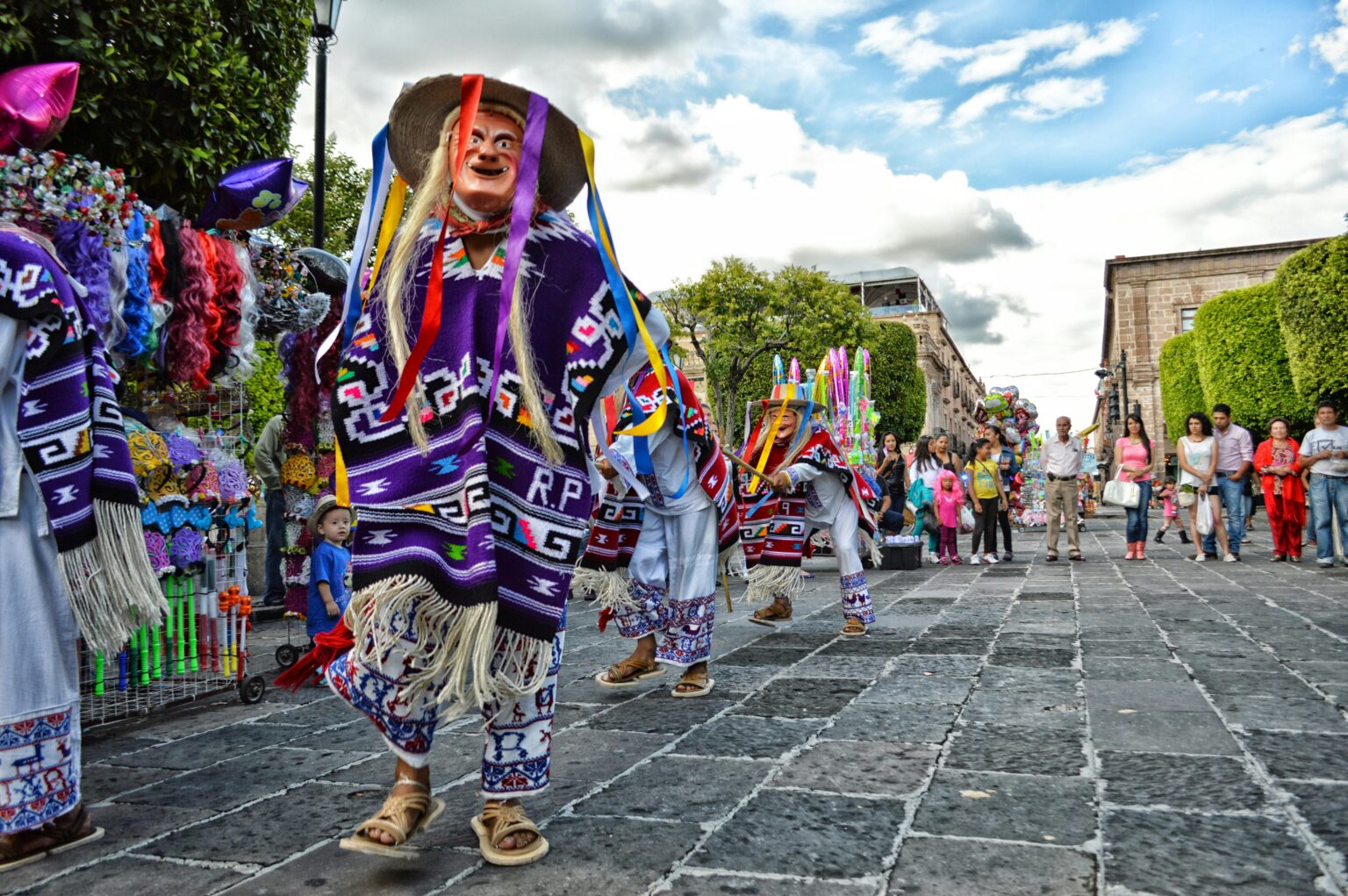
If you’ve ever wondered when Mexico is at its most magical, let me take you on a journey that’s part weather forecast, part fiesta calendar, and part wallet whisperer. Because in Mexico, the best season isn’t just about sunshine—it’s about the pulse of the streets, the scent of mole in the air, and the chance to make your pesos go further than a mariachi’s high note.
The Two Faces of Mexico’s Climate: Dry Season vs. Rainy Season
Let’s start with the basics. Mexico, like a well-made taco, is all about balance. The country’s climate is split into two main seasons: the dry season (December to April) and the rainy season (May to November). But don’t let the word “rainy” scare you off—think of it as the season when the land gets a little extra salsa.
Dry Season (December–April):
This is Mexico’s golden hour. Picture blue skies, balmy days (22–33°C/72–91°F), and barely a drop of rain. It’s perfect for beach lovers, city explorers, and anyone who wants to swap their winter coat for a swimsuit. But here’s the catch: you won’t be alone. From December to March, holidaymakers and spring breakers descend like a flock of flamingos, and prices soar accordingly. If you want to see Mexico at its most vibrant, this is your moment—but book early and expect crowds.
Rainy Season (May–November):
Now, if you’re the kind of traveler who doesn’t mind a little afternoon downpour (and maybe even enjoys the drama of thunder rolling over the jungle), the rainy season is your secret weapon. Yes, it’s hotter and more humid, but the rain usually comes in short, refreshing bursts. The upside? Fewer tourists, lush landscapes, and prices that are as friendly as a street vendor in Oaxaca. May and June, as well as October and early November, are especially sweet spots for budget-conscious adventurers.
“Mexico is a year-round destination. This 32-state nation boasts glistening coastlines, numerous microclimates and an astonishingly varied terrain.”
— Lonely Planet
Festivals: When Mexico’s Soul Shines Brightest
If you want to see Mexico at its most alive, time your visit with a festival. These aren’t just parties—they’re living, breathing expressions of history, faith, and joy. Here are a few that will make you wish you had more vacation days:
- Día de los Muertos (Day of the Dead, Nov 1–2):
Oaxaca and Pátzcuaro become altars of color and memory. Streets fill with marigolds, candles, and families honoring their ancestors. It’s moving, unforgettable, and a photographer’s dream. ⭕️Día de los Muertos
— Mundo Mágico (@Mundo_MagicoMX) November 1, 2023
El 1 y 2 de Noviembre se celebra en México el El Día de Muertos, una festividad de origen prehispánico, en la cual el pueblo celebra y honra a sus familiares fallecidos mediante la colocación de altares u ofrendas sobre sus tumbas o en las casas, según la… pic.twitter.com/ZRgtnoTswg- Semana Santa (Holy Week, March/April):
The entire country comes alive with processions, passion plays, and packed beaches. It’s one of the busiest—and most expensive—times to visit, but the energy is contagious. - Guelaguetza (July, Oaxaca):
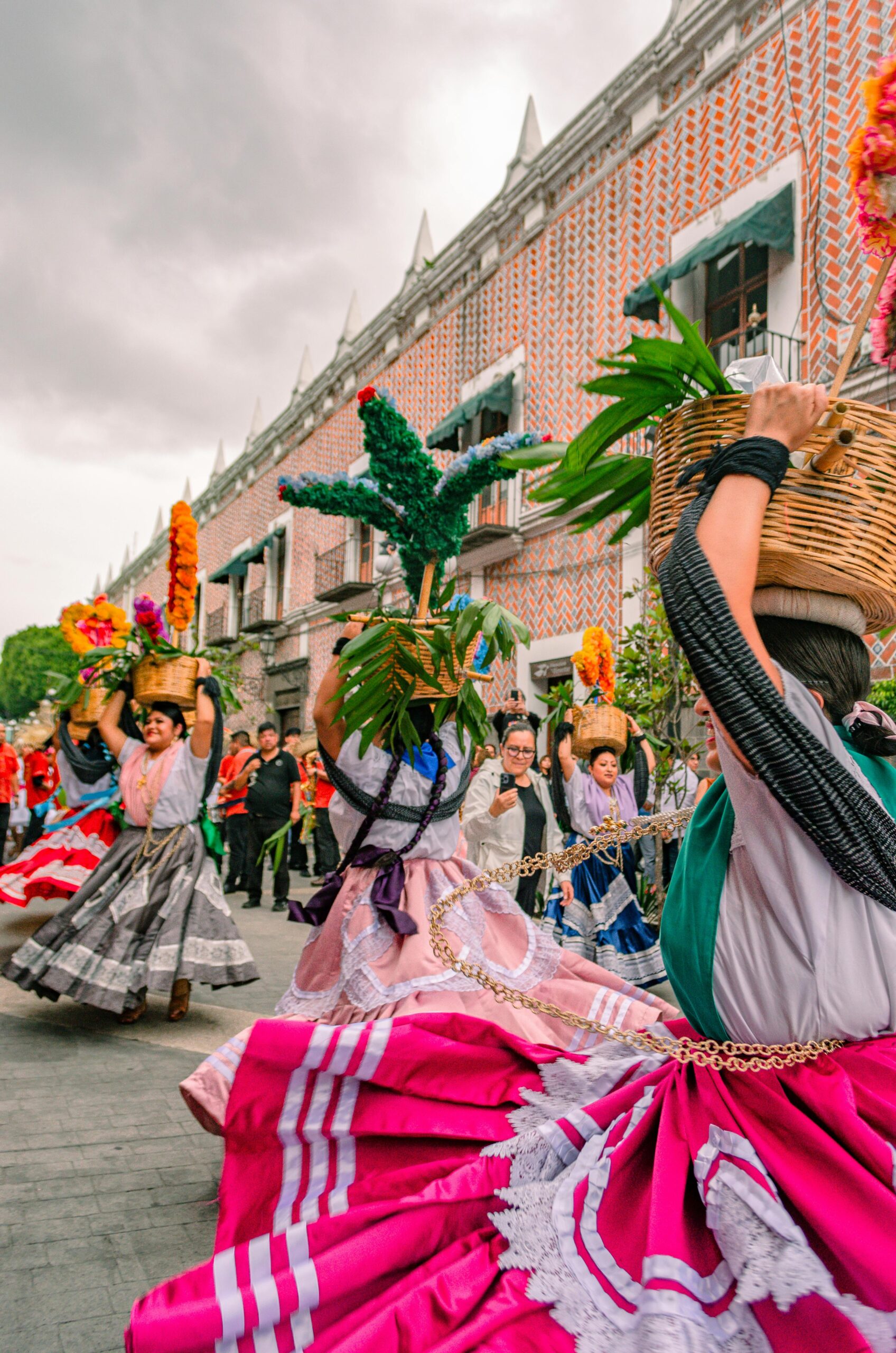
Indigenous communities gather for a dazzling display of dance, music, and traditional dress. If you want to see the real Mexico, this is it.
- Independence Day (September 16):
Fireworks, music, and patriotic pride fill every plaza. Viva México! - Monarch Butterfly Migration (Nov–March):
Millions of monarchs blanket the forests of Michoacán—a natural wonder that rivals any festival for sheer awe.
“Festivals and cultural events play a significant role in shaping tourism flows. Major events such as Día de los Muertos, Semana Santa, and various regional festivals attract both domestic and international tourists, leading to spikes in arrivals during these periods.”
Witnessing the monarch butterfly migration is a once-in-a-lifetime experience!
— UN Development (@UNDP) September 27, 2024
The beauty of their flight and their vibrant colors make it unique. 🦋
On #WorldTourismDay, learn more, add it to your bucket list and visit the Monarch Butterfly Biosphere Reserve in Mexico.#WTD24 pic.twitter.com/wYojfjhFXa
Budgeting Your Mexican Adventure: When to Splurge, When to Save
Let’s talk pesos. Mexico is famously affordable, but timing is everything. Here’s how the seasons affect your bottom line:
- High Season (December–April):
Expect higher prices for flights and hotels, especially around Christmas, New Year’s, and Easter. Book months in advance for the best deals. - Shoulder Season (May–June, October–early November):
This is the sweet spot—lower prices, fewer crowds, and still-great weather in many regions. Perfect for families, couples, and solo travelers who want more bang for their buck. - Low Season (July–September):
The rainiest months, but also the cheapest. If you’re flexible and don’t mind a little weather roulette, you can score incredible deals on luxury resorts and boutique hotels.
A quick look at recent trends shows that even as global tourism has faced challenges—economic crises, hurricanes, health scares—Mexico’s visitor numbers have shown remarkable resilience. In fact, after dips in the early 2010s, the country bounced back with record arrivals, especially as the US dollar strengthened and Americans sought value closer to home.
| Season | Weather | Crowds | Prices | Best For |
|---|---|---|---|---|
| Dec–Apr (Dry) | Sunny, mild | High | High | Beaches, festivals, city tours |
| May–Jun (Shoulder) | Warm, some rain | Low–Med | Low–Med | Budget travel, nature, culture |
| Jul–Sep (Rainy) | Hot, humid, rain | Low | Low | Surfing, lush landscapes |
| Oct–Nov (Shoulder) | Warm, less rain | Low–Med | Low–Med | Day of the Dead, butterflies |
Regional Flavors: Where and When to Go
Mexico is as diverse as its cuisine. Here’s how the seasons play out in different regions:
- Yucatán Peninsula (Cancún, Tulum, Mérida):
Dry season is perfect for beach days and cenote swims. Rainy season brings sargassum (seaweed) to some beaches, but also whale sharks and turtle nesting.
Guide to the Yucatán Peninsula - Mexico City & Highlands:
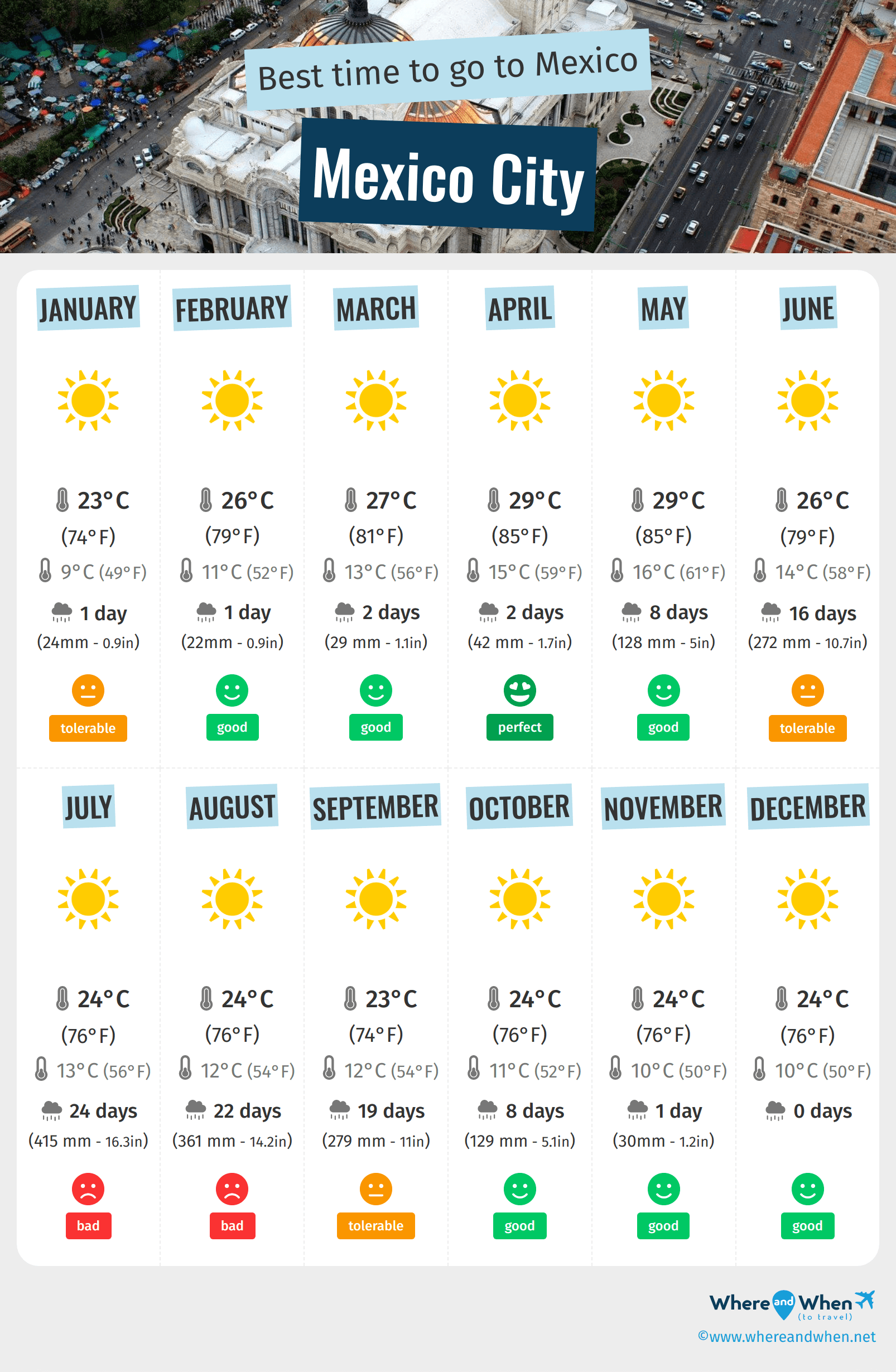
Pleasant year-round, but March–May is especially lovely with blooming jacarandas. Rainy afternoons in summer are perfect for museum-hopping and café culture.
Best time to visit Mexico City - Pacific Coast (Puerto Vallarta, Oaxaca, Nayarit):
Dry season is ideal for sun and surf. Rainy season brings dramatic sunsets and fewer crowds. - Baja California:
Visit January–March for whale watching. Summer is hot but great for diving and off-the-beaten-path adventures.
Business Insights: Why Timing Matters for Investors and Hoteliers
For industry professionals, understanding Mexico’s seasonal rhythms is more than a matter of weather—it’s a business imperative. Resorts and tour operators have learned to diversify their offerings, targeting different markets in low and high seasons. The rise of all-inclusive resorts in the Riviera Maya, for example, was a game-changer, attracting families and groups year-round and smoothing out the peaks and valleys of traditional tourism flows.
“Mexico’s tourism sector has responded to these seasonal and event-driven fluctuations by developing infrastructure and new tourism products to better accommodate and attract visitors during both peak and off-peak periods.”
The lesson? Whether you’re a traveler, an investor, or a local entrepreneur, the best time to visit Mexico is when you’re ready to embrace its rhythms—rain or shine.