
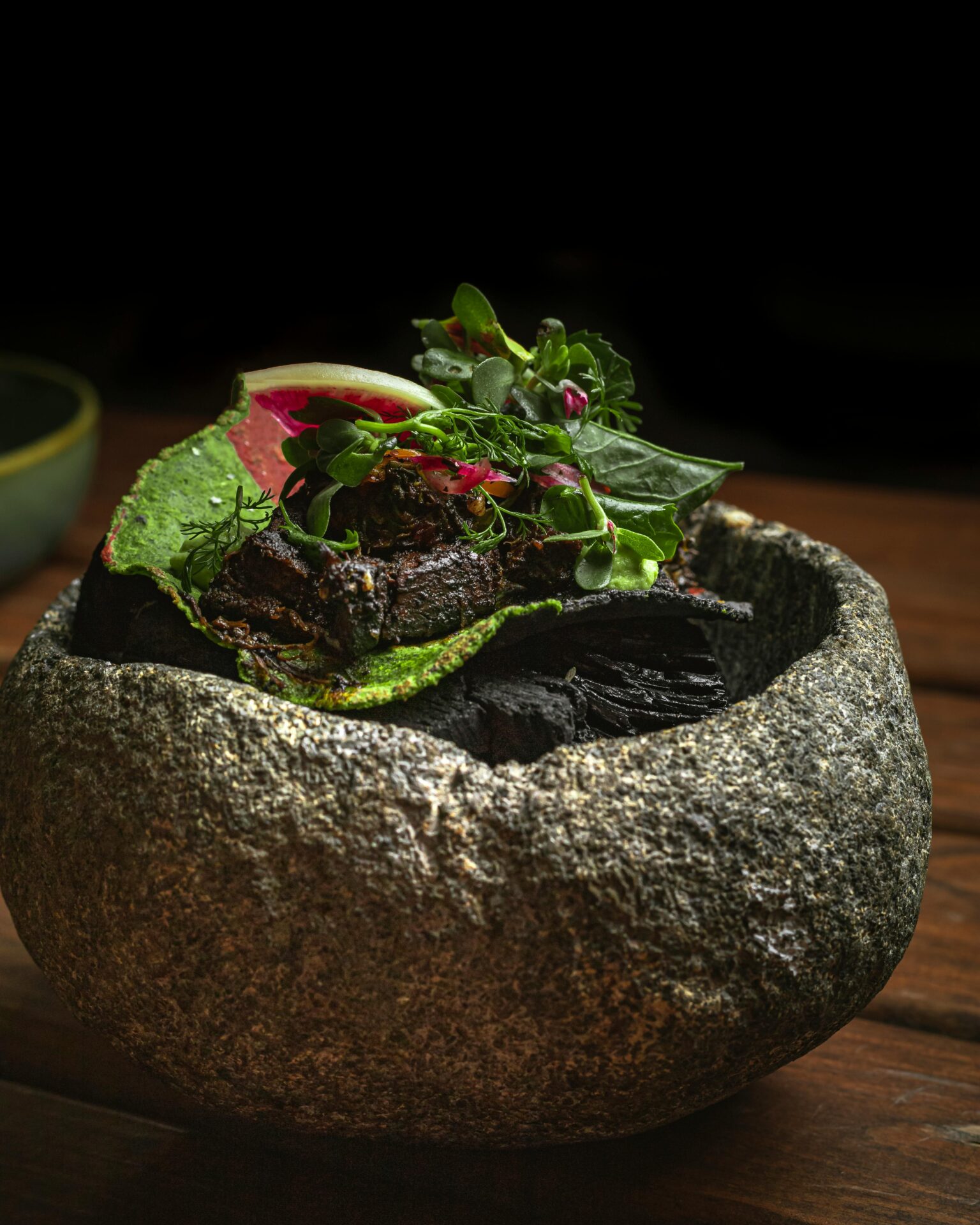
The New Faces of Mexican Hospitality
If you’ve ever wandered the cobblestone streets of Oaxaca at dusk, the air perfumed with roasting chiles and the distant strum of a guitarra, you know that this is a place where tradition and innovation dance together like partners at a fiesta. But behind every plate of mole and every boutique hotel courtyard, there are real people—visionaries, risk-takers, and community builders—who are quietly (and sometimes not so quietly) transforming the way the world experiences Mexico.
- The New Faces of Mexican Hospitality
- Oaxaca & Puebla: Where Heritage Meets Hospitality
- The Godfather of Oaxacan Cuisine: Chef Alejandro Ruiz
- Puebla’s Culinary Guardians: Mrs. Lupita Escobar and the Mole Masters
- Boutique Hotels: Restoring the Soul of the City
- Gastronomy as a Bridge: From Market to Table
- Trends, Tables, and the Future of Mexican Tourism
- Oaxaca & Puebla: The Invitation
- Hasta la Vista
Today, we journey into the heart of Oaxaca and Puebla to meet the hoteliers and chefs who are rewriting the rules of hospitality, one tlayuda and one restored colonial mansion at a time. Their stories are as layered as a good mole: rich, surprising, and utterly unforgettable.
Oaxaca & Puebla: Where Heritage Meets Hospitality
Let’s set the scene. Since the 1990s, Mexican tourism has evolved from the all-you-can-eat buffet of coastal mega-resorts to a more nuanced, sustainable, and culturally immersive experience. Oaxaca and Puebla, once considered “off the beaten path,” are now at the epicenter of this movement. According to historical data, hotel occupancy rates in these cities have soared, especially during festivals like Guelaguetza and Cinco de Mayo, mirroring a national trend toward boutique, heritage-rich stays and culinary adventures.
What’s driving this renaissance? It’s not just the UNESCO accolades (though Mexican cuisine’s 2010 inscription as Intangible Cultural Heritage certainly helped). It’s the people—chefs who treat their kitchens like altars, hoteliers who see every guest as family, and communities who fiercely protect their traditions while welcoming the world.
The Godfather of Oaxacan Cuisine: Chef Alejandro Ruiz
No story about Oaxaca’s culinary revolution is complete without Chef Alejandro Ruiz, the maestro behind Casa Oaxaca Hotel and several acclaimed restaurants. Ruiz is more than a chef; he’s a cultural ambassador, a mentor, and, as some locals affectionately call him, “the godfather of Oaxacan cuisine.”
At a recent oyster tasting at Casa Oaxaca, Ruiz orchestrated a gathering that was part master class, part mezcal-fueled celebration. As described in a glowing account from The Gastronomad Experience, Chef Alex’s staff served our tiny gathering wave after wave of oysters on the half-shell, each a different type and accompanied by all kinds of spicy and flavorful sauces… After the half-shell oysters, we were treated to incredible oyster soups and tacos. All the while, we drank paired wines, beers and cocktails, plus mezcal, of course.
Ruiz’s influence extends far beyond his own kitchen. He trains young chefs, consults for new restaurants, and represents Oaxacan food on the world stage. His mission? To prove that Oaxacan cuisine is not just delicious—it’s a living, breathing expression of identity.
Every dish tells a story. When you taste a real mole, you’re tasting centuries of memory, migration, and resilience. That’s what I want the world to understand about Oaxaca.
Chef Alejandro Ruiz
Puebla’s Culinary Guardians: Mrs. Lupita Escobar and the Mole Masters
Travel east to Puebla, and you’ll find a different but equally passionate cast of culinary heroes. Take Mrs. Lupita Escobar, a 60-year veteran of Mexican gastronomic preservation. Her cooking classes, as highlighted in the Southern Mexico Foodie Tour, are more than lessons—they’re acts of cultural stewardship.
In her Puebla kitchen, visitors learn to make mole poblano, chalupas, and chiles en nogada using recipes passed down through generations. Escobar’s approach is hands-on and heart-first. She sources ingredients from local markets, supports nearby farmers, and insists that every student understand the story behind each spice.
Cooking is how we remember who we are. When I teach someone to make mole, I’m sharing my family’s history—and Puebla’s, too.
Mrs. Lupita Escobar
Boutique Hotels: Restoring the Soul of the City
It’s not just the kitchens that are getting a makeover. Across Oaxaca and Puebla, visionary hoteliers are transforming crumbling colonial mansions and forgotten haciendas into sanctuaries of style and sustainability. These aren’t your cookie-cutter chains; they’re living museums, each room telling a story through hand-painted tiles, indigenous textiles, and locally sourced art.
In Oaxaca, properties like Casa Oaxaca and Hotel Escondido blend modern design with deep respect for tradition. As described in Condé Nast Traveler’s feature on Puerto Escondido, With its 16 freestanding bungalows facing the ocean, each tucked into a tangle of vegetation, the property evoked the romance of surf culture. It seemed built to pay homage to Puerto’s past while pointing, in some way, toward its future.
Meanwhile, in Puebla, restored mansions in the historic center offer guests a chance to sleep surrounded by talavera tiles and centuries-old frescoes. These hotels are more than places to rest—they’re engines of local economic development, employing artisans, supporting community projects, and setting new standards for responsible tourism.
Gastronomy as a Bridge: From Market to Table
What sets Oaxaca and Puebla apart isn’t just the food—it’s the way food connects people. Culinary tours, like those offered by Road Scholar and kimkim, invite travelers to roll up their sleeves and dive into the markets, learning from the very people who grow, grind, and cook the region’s iconic ingredients.
In Oaxaca, you might find yourself making chocolate at the Mayordomo Chocolate Factory or learning to cook mole with a grandmother in Teotitlán del Valle. In Puebla, you’ll sample tamales from a local tamalería, sip pasita in the city’s oldest cantina, and end your day with flan from a traditional pastry shop.
These experiences aren’t just delicious—they’re transformative. As Suzanne Barbezat, a Canadian anthropologist who lost her heart to Oaxaca, puts it:
There’s nothing I enjoy more than getting to know Oaxaca better and sharing my love for it. Every meal, every market visit, is a chance to connect—to really see and be seen.
Suzanne Barbezat
Trends, Tables, and the Future of Mexican Tourism
Let’s talk numbers for a moment. Since the early 2000s, visitor arrivals to Mexico have rebounded from global crises and grown steadily, with cultural destinations like Oaxaca and Puebla leading the charge. Hotel occupancy rates in these cities now rival those of the big beach resorts, especially during major festivals. The rise of boutique hotels, food tourism, and community-based experiences has diversified the industry and spread the benefits more equitably.
Here’s a quick snapshot of the evolution:
| Aspect | 1990s Focus | 2000s–2020s Innovations/Trends |
|---|---|---|
| Tourism Model | Coastal resorts | Cultural, sustainable, boutique, gastronomy |
| Visitor Numbers | Concentrated on coasts | Growth in interior states (Oaxaca, Puebla) |
| Hotel Occupancy | High in resorts | Rising in cities, esp. during festivals |
| Hospitality Trends | Large hotels, all-inclusive | Boutique hotels, restored colonial buildings |
| Gastronomy | Under-promoted | UNESCO recognition, food tourism boom |
| Infrastructure | Focus on resorts | Improved access to cultural destinations |
But the real trend is human: a new generation of hoteliers and chefs who see tourism not as extraction, but as exchange. They’re building businesses that honor the land, uplift communities, and invite travelers to become part of the story.
Oaxaca & Puebla: The Invitation
So, what does this mean for you, dear reader? It means that your next trip to Mexico can be more than a vacation—it can be a homecoming, a feast, a lesson in resilience and creativity. Whether you’re sipping mezcal with a chef in Oaxaca or learning to make mole in a Puebla kitchen, you’re not just a guest. You’re a participant in a living tradition.
And if you ever doubt the power of travel to change lives, just ask the hoteliers and chefs of Oaxaca and Puebla. They’ll tell you: every guest, every meal, every restored building is a step toward a more vibrant, inclusive, and sustainable future.
Hasta la Vista
And for a taste of the magic, check out this YouTube video from Road Scholar featuring hands-on cooking classes and market visits.
Whether you’re a seasoned traveler, a curious foodie, or a hospitality professional dreaming of your own boutique hotel, Oaxaca and Puebla are waiting. The sun is warm, the mole is simmering, and the stories—well, they’re just getting started.
¡Buen viaje!