
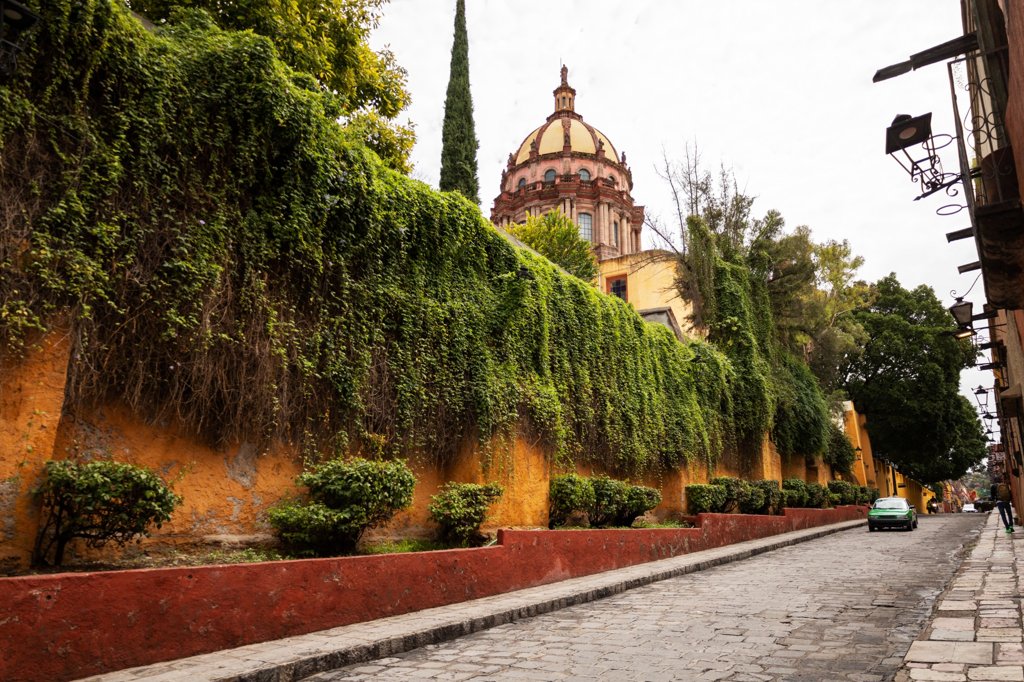
From cobblestone dreams to business booms, how San Miguel de Allende and its colonial cousins are rewriting the story of Mexican tourism — one sunset, one taco, and one human connection at a time.
- Where Magic Lives: The Heartbeat of San Miguel
- From Silver Mines to Silver Screens: A Brief History of Allure
- The Human Stories: Why We Keep Coming Back
- Beyond San Miguel: The Necklace of Colonial Gems
- The Business of Magic: Trends and Insights
- Challenges and the Path Forward: Keeping the Magic Real
- How to Experience the Magic: Practical Tips
- The Secret Ingredient: Connection
- Hasta la Vista
Where Magic Lives: The Heartbeat of San Miguel
There are places in the world that don’t just welcome you — they embrace you, swirl you into their rhythm, and send you home a little changed. San Miguel de Allende is one of those rare towns. I remember my first evening there: the sky was a painter’s palette of pinks and golds, the air perfumed with roasting elote and the distant strum of a mariachi. As I wandered the labyrinth of cobblestone streets, I realized why so many travelers, artists, and dreamers have called this place “magical” — and why, decades after being named a UNESCO World Heritage Site, San Miguel’s spell is only growing stronger.
But San Miguel is not alone. Across Mexico, colonial towns — from Guanajuato to Oaxaca, from Valladolid to Puebla — are experiencing a renaissance. They’re not just relics of the past; they’re vibrant, evolving communities at the center of a new wave of tourism that values authenticity, sustainability, and connection.
From Silver Mines to Silver Screens: A Brief History of Allure
Let’s rewind. Mexico’s colonial cities were born from the riches of silver and the ambitions of Spanish conquistadors. In the 17th and 18th centuries, towns like Guanajuato and Zacatecas supplied over a third of the world’s silver, funding the construction of opulent mansions, baroque cathedrals, and plazas that still dazzle today. San Miguel de Allende, once a sleepy outpost, became a crossroads for trade, art, and revolution.
Fast-forward to the 21st century, and these towns have become magnets for a new kind of traveler. According to historical tourism data, international visitor numbers to Mexico have steadily increased since the 1990s, with a notable surge in interest for interior colonial cities. In 2014 alone, Mexico welcomed a record 29.3 million international tourists, and towns like San Miguel saw double-digit growth in overnight stays. The U.S. remains the largest source of visitors, but there’s a growing influx from Europe, Canada, and beyond — all drawn by the promise of culture, cuisine, and community.
The Human Stories: Why We Keep Coming Back
What makes San Miguel and its peers irresistible isn’t just their beauty — it’s their soul. Sit in El Jardín, the leafy main square, and you’ll see a parade of life: abuelas gossiping on benches, artists sketching the pink spires of La Parroquia, expats and locals swapping stories over café de olla. On weekends, the air vibrates with the laughter of wedding parades — callejoneadas — where giant mojiganga puppets and mariachis lead newlyweds through the streets in a swirl of joy.
As one traveler wrote,
San Miguel is a place to discover for yourself! You don’t have to look for beauty because it’s around every corner. Within every wall. Along every step.
But the magic isn’t just for visitors. San Miguel has become a haven for artists, writers, and entrepreneurs from around the world. Its thriving expat community — now estimated at over 12,000 — has helped fuel a renaissance in the arts, gastronomy, and boutique hospitality. Yet, as longtime resident and tourism board director Guillermo Gonzalez notes:
San Miguel de Allende is a place where you can stay at least a week and see real, authentic Mexico. There are always activities throughout the year, from a chamber music festival, to traditional fiestas, Independence Day and Day of the Dead. No matter the time of year, you will find something going on.
Guillermo Gonzalez
Beyond San Miguel: The Necklace of Colonial Gems
San Miguel may be the star, but it’s part of a constellation. The state of Guanajuato alone is home to treasures like Dolores Hidalgo — the cradle of Mexican independence and a pottery lover’s paradise — and Guanajuato City, with its underground tunnels, Diego Rivera museum, and the legendary Callejón del Beso (Alley of the Kiss). Each October, Guanajuato hosts the International Cervantino Festival, transforming the city into a stage for global arts.
Venture further and you’ll find Oaxaca, the “Paris of Mexico,” famed for its black pottery, mezcal, and culinary scene; Puebla, with its Talavera tiles and mole poblano; and Valladolid, a pastel-hued gateway to cenotes and Mayan ruins. Many of these towns are designated Pueblos Mágicos — a government program recognizing places with unique charm, history, or natural beauty.
As one travel writer put it,
When you want a deeper taste of Mexican culture, its colonial cities deliver in spades.
The Business of Magic: Trends and Insights
Let’s talk numbers — but don’t worry, I promise not to turn this into a spreadsheet fiesta. The rise of colonial towns is more than a travel trend; it’s a business transformation. San Miguel’s tourism board invested over $10 million in international marketing, and the results speak for themselves: hotel occupancy rates have soared, boutique properties like the Rosewood and Casa de Sierra Nevada command rates rivaling those in Mexico City, and Airbnb listings have exploded.
Here’s a snapshot of San Miguel’s hospitality growth:
| Year | Hotel Rooms | Private Rentals (Airbnb, etc.) | Overnight Visitors (millions) |
|---|---|---|---|
| 2008 | 1,385 | ~1,500 | 0.8 |
| 2015 | 2,400 | 2,000+ | 1.3 |
| 2024 | 3,100+ | 3,500+ | 1.8 (est.) |
Source: HVS, Travel Weekly, VacationalWire estimates
But the real story is in the ripple effect. Tourism has revitalized local crafts, from Talavera pottery in Dolores Hidalgo to contemporary art in La Fabrica Aurora. Wineries and organic farms are flourishing, and new generations of chefs are putting a modern spin on traditional flavors. The region’s economic resilience — even during global downturns — is a testament to the power of diversified, community-driven tourism.
Challenges and the Path Forward: Keeping the Magic Real
Of course, with popularity comes responsibility. Overtourism, rising real estate prices, and the risk of losing “authenticity” are real concerns. But San Miguel and its neighbors are leading the way in sustainable tourism: promoting local businesses, preserving historic architecture, and investing in cultural festivals that benefit both residents and visitors.
As Luigi Major, a leading hospitality consultant, observes:
San Miguel de Allende serves as a model for how to leverage elements of history, architecture, and culture to positively impact a market’s lodging and real estate dynamics. It’s a model well-suited to other towns looking to secure a place on Mexico’s list of premier alternative destinations.
Luigi Major
How to Experience the Magic: Practical Tips
- Getting There: Fly into León (BJX) or Querétaro (QRO) for easy access to San Miguel. Buses in Mexico are surprisingly luxurious — think first-class seats and snacks, not chickens and chaos.
- Where to Stay: From rooftop boutique hotels in the Centro to tranquil Airbnbs on the hills, there’s something for every budget. Don’t miss a sunset at the Rosewood or a rooftop bar like Restaurante Cielo.
- What to Do: Take a walking tour, join a cooking class, or simply get lost in the maze of streets. Visit nearby Dolores Hidalgo for pottery, Guanajuato for tunnels and museums, and Mineral de Pozos for a taste of ghost town adventure.
- When to Go: There’s no bad time, but October’s Cervantino Festival in Guanajuato and San Miguel’s Day of the Dead celebrations are unforgettable.
For a visual taste, check out this YouTube guide: IS THIS THE BEST CITY IN THE WORLD?? SAN MIGUEL DE …
The Secret Ingredient: Connection
What truly sets these towns apart isn’t just their architecture or festivals — it’s the sense of belonging they offer. Whether you’re a solo traveler, a family, or a would-be expat, you’ll find yourself welcomed into a tapestry of stories, traditions, and friendships. As one expat reflected after five weeks in San Miguel:
San Miguel is more than just a destination; it’s an experience — it’s a source of inspiration. It’s a place where history, art, and culture come together to create something truly magical.
Hasta la Vista
The magic of San Miguel and Mexico’s colonial towns isn’t a secret anymore — but it’s a story that keeps unfolding, one traveler at a time. Whether you’re planning your first visit or your fiftieth, remember: the real treasure isn’t just what you see, but who you meet, what you taste, and how you feel when the church bells ring at sunset.