
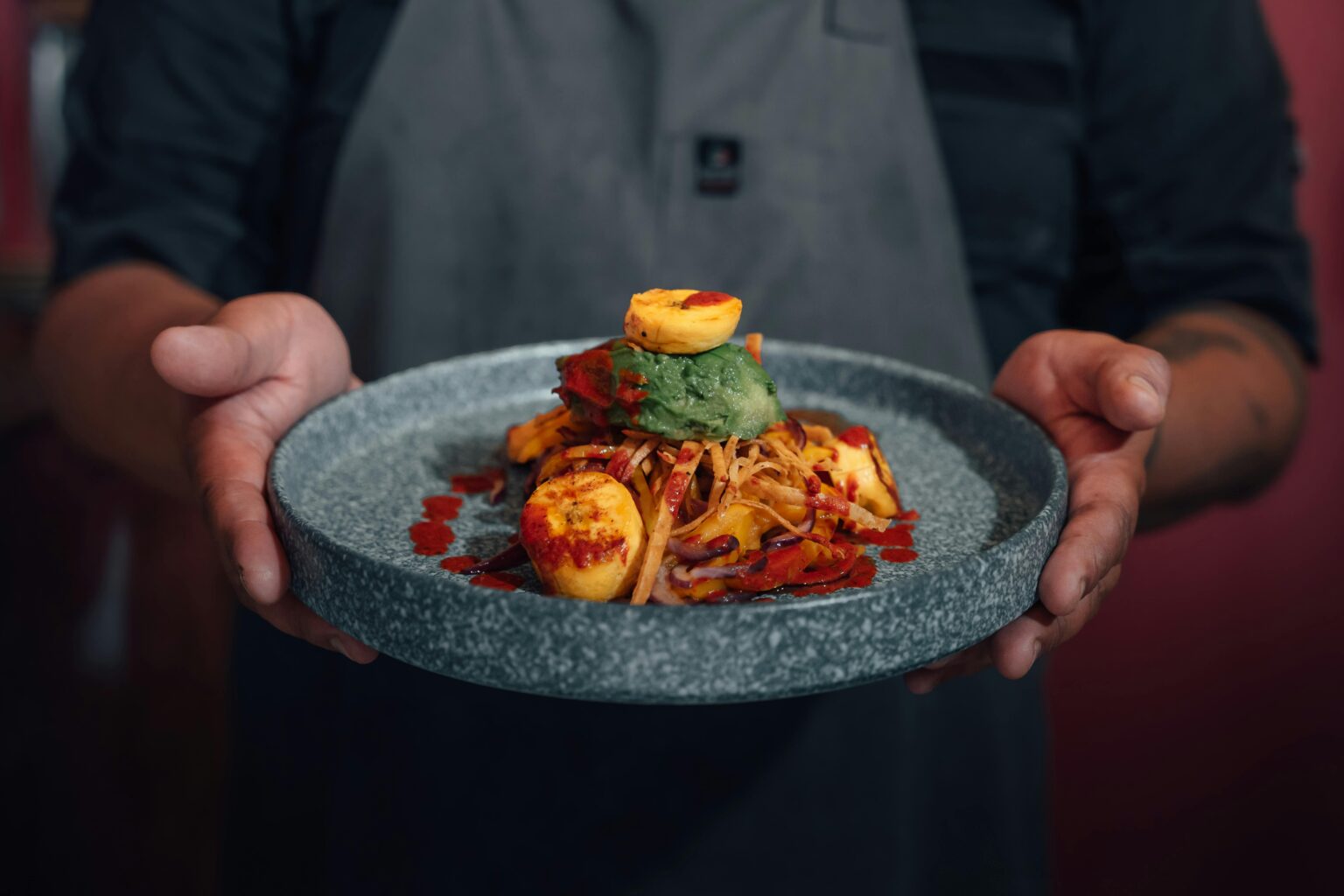
Close your eyes for a moment. Imagine the aroma of fresh tortillas wafting from a comal, the tang of lime on a street-side taco, the earthy perfume of mole simmering in a grandmother’s kitchen. Now open your eyes and look at the world’s most prestigious restaurant rankings, the bustling food halls of Tokyo, the mezcalerías of London, and the taco trucks of Los Angeles. What do you see? Mexico, once pigeonholed as the land of nachos and margaritas, now stands at the summit of global gastronomy.
- From Milpa to Mole: The Roots of a Culinary Giant
- UNESCO, Street Food, and the Rise of the Chefs
- The Global Sizzle: Tacos, Mole, and Mezcal Take the World
- The Business of Flavor: Tourism, Exports, and Culinary Investment
- Human Stories: The Soul Behind the Sabor
- The Secret Sauce: Diversity, Adaptability, and Pride
- The Future: Where Every Table Is a World Stage
- Hasta la Vista
But how did a cuisine rooted in ancient milpas and family kitchens become the darling of Michelin inspectors and the muse of avant-garde chefs? The answer is as layered as a tamal, as vibrant as a Día de Muertos altar, and as moving as the stories behind every abuela’s recipe.
From Milpa to Mole: The Roots of a Culinary Giant
Mexican cuisine’s journey to global stardom began long before Instagram foodies and Netflix docuseries. Its foundation is ancient, built on the ingenuity of Indigenous peoples who domesticated corn, beans, squash, and chiles—ingredients that would one day change the world’s palate. The arrival of the Spanish in the 16th century brought wheat, livestock, and new spices, fusing two culinary worlds into one of the most diverse and resilient food cultures on the planet.
As noted in a Homlunch feature,
The history of Mexican cuisine is as rich as its flavor. Its origins trace back to pre-Hispanic civilizations, where corn, chili, beans, cacao, and squash formed the foundation of daily meals. With the arrival of the Spanish in the 16th century, the cuisine expanded with wheat, meats, dairy products, and new spices. This fusion gave birth to one of the most diverse and celebrated culinary traditions in the world.
UNESCO, Street Food, and the Rise of the Chefs
In 2010, UNESCO declared Mexican cuisine an Intangible Cultural Heritage of Humanity—the first cuisine in the Americas to receive such an honor. This wasn’t just a gold star for grandma’s pozole; it was a global recognition of the rituals, techniques, and community spirit that define Mexican food. As chef Jorge Vallejo of Quintonil put it,
There is not one Mexican cuisine, but many.
Jorge Vallejo
(Source: El País)
But the real revolution was happening on the streets and in the markets. In Mexico City, fondas and taquerías became incubators for culinary creativity, where the line between tradition and innovation blurred. Chefs like Enrique Olvera (Pujol), Elena Reygadas (Rosetta), and Santiago Lastra (Kol, London) began to reinterpret ancestral recipes, elevating humble ingredients—corn, beans, chiles—to the level of haute cuisine.
We are fortunate that, at this moment, Mexico is gastronomically recognized. We have always had beach tourism; we can now add tourism that is filling Mexico City to spend several days and visit traditional or contemporary restaurants. It is clear that this benefits all of us restaurateurs.
Enrique Olvera
The Global Sizzle: Tacos, Mole, and Mezcal Take the World
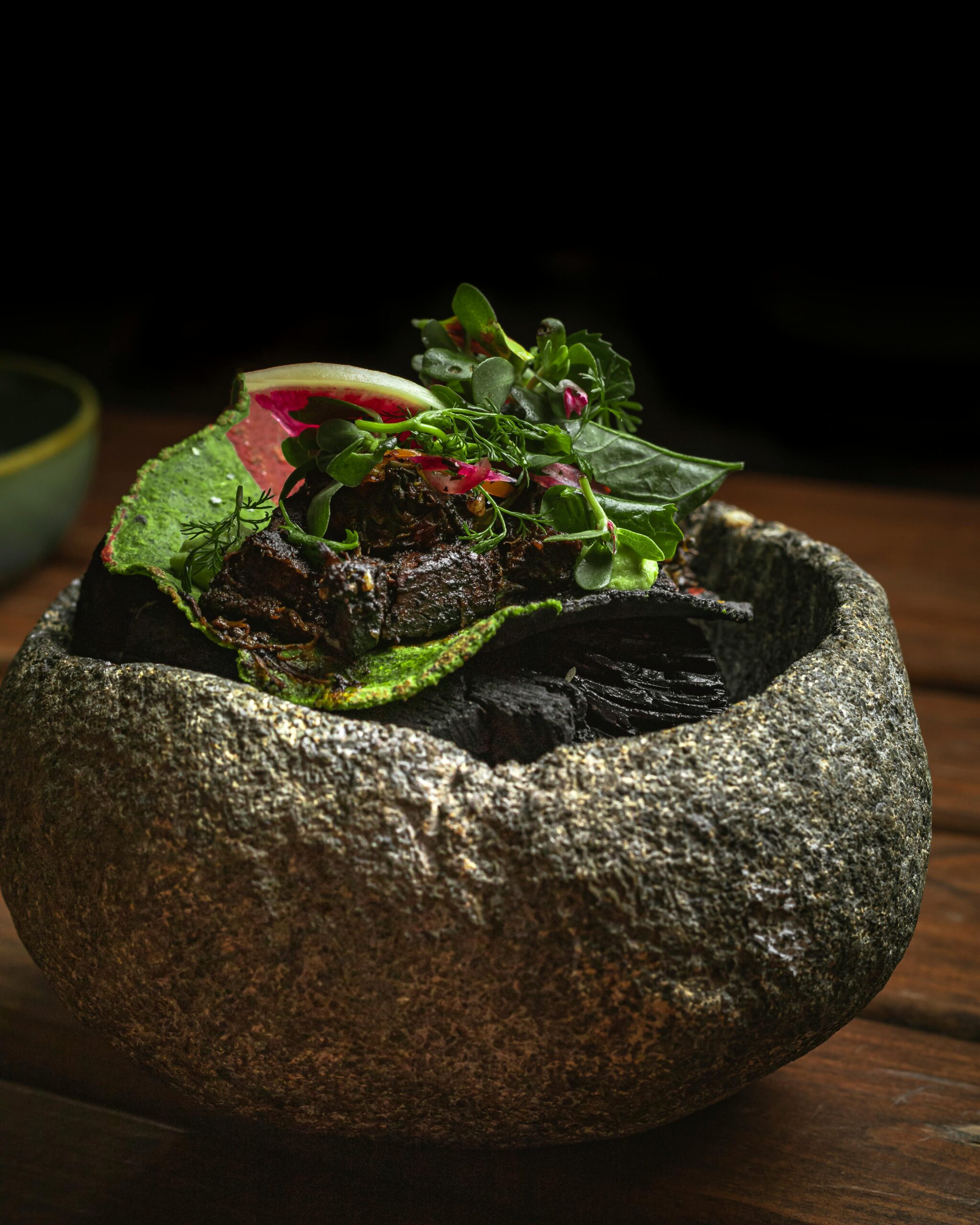
The taco, once a miner’s lunch, is now a global icon. From Tokyo’s tako-tacos to Parisian taquerías, its versatility has made it a universal language of flavor. Guacamole, salsa, and mole have become ambassadors of Mexican taste, gracing tables from New York to Sydney. As Amor Loco NYC writes,
Mexican cuisine’s journey across the globe is not just about food; it’s a story of cultural exchange and adaptation.
But the world’s appetite for Mexican food isn’t just about tacos and tequila. It’s about the stories behind the dishes—the abuelas grinding chiles in a molcajete, the street vendors perfecting their carnitas, the young chefs who travel the country to learn from Indigenous cooks before opening Michelin-starred restaurants abroad.
The Business of Flavor: Tourism, Exports, and Culinary Investment
Mexico’s culinary boom isn’t just a matter of pride—it’s big business. The country is now a leading global agricultural producer, ranking 11th worldwide, and its agri-food exports have soared from $63 billion to $96 billion in recent years. Gastronomic tourism is booming, with travelers flocking to Mexico City, Oaxaca, and Yucatán not just for beaches, but for tasting menus and food festivals.
According to Tapas Magazine,
Being in international listings means visibility and attracts gastronomic tourism to Mexico, where there is not one Mexican cuisine, but many.
Elena Reygadas, named Best Female Chef in the World, adds:
Uniqueness has been essential: You can eat a lobster in many places in the world, but not escamoles (ant larvae). It is a rural cuisine and it is the most beautiful.
Elena Reygadas
Here’s a snapshot of Mexico’s culinary standing in 2025:
| Restaurant (Mexico) | World’s 50 Best Rank | Chef | City |
|---|---|---|---|
| Quintonil | 9 | Jorge Vallejo | Mexico City |
| Pujol | 13 | Enrique Olvera | Mexico City |
| Rosetta | 49 | Elena Reygadas | Mexico City |
Human Stories: The Soul Behind the Sabor
What truly sets Mexican cuisine apart is its humanity. Every dish is a story, every recipe a legacy. In the words of Gustavo Garnica, chef at Cosme in New York,
Mexican cooking is an honest cuisine that shows the complexity of simple things.
Gustavo Garnica
(Source: El País)
Consider the mole: a sauce that can require up to 75 ingredients, each one a note in a culinary melody that spans centuries. Or the tamal, a dish as humble as it is profound, wrapped in corn husks and family memories. Or the Yucatán’s cochinita pibil, slow-roasted in underground pits, a technique passed down since the Maya.
And let’s not forget the new generation of chefs—many trained abroad, now returning home to honor their roots and push boundaries. Their restaurants are not just places to eat, but stages for cultural dialogue, sustainability, and social change.
The Secret Sauce: Diversity, Adaptability, and Pride
Why has Mexican cuisine conquered the world? The answer lies in its diversity—every state, every pueblo, every family has its own culinary identity. It lies in its adaptability—Mexican food reinvents itself without losing its soul, whether in a London mezcal bar or a Tokyo taco stand. And above all, it lies in the pride of its people, who see food not just as sustenance, but as celebration, resistance, and love.
As Falstaff Magazine notes,
Up to 75 ingredients are needed for a good mole to develop its full strength. It is a complex dish and draws its strength from the flavour interplay of chillies, nuts, beans and unsweetened chocolate. Sometimes it tastes spicy, sometimes sweet, then earthy. For many Mexicans, it is the undisputed national dish, a culinary sanctuary.
The Future: Where Every Table Is a World Stage
Today, Mexico’s culinary influence is everywhere—from the world’s best restaurants to the kitchens of home cooks who keep traditions alive. The next chapter is being written by chefs who champion sustainability, by communities who protect ancestral seeds, and by travelers who come not just to eat, but to understand.
If you want to see the future of food, look to Mexico. It’s in the hands of a street vendor in Oaxaca, a chef in Mexico City, a grandmother in Michoacán, and a young cook in London who remembers the taste of home.
Hasta la Vista
Hungry for more? Dive deeper into the flavors, faces, and stories that make Mexico the world’s culinary powerhouse:
- The rise of Mexican food as a world gastronomic powerhouse – Tapas Magazine
- How Mexican food has conquered the world’s haute cuisine – El País
- The Global Sizzle: How Mexican Cuisine Conquered the World’s Palate – Amor Loco NYC
- The story of how Mexican cuisine conquered the world – Homlunch
So next time you bite into a taco, remember: you’re not just tasting food. You’re tasting history, innovation, and the spirit of a nation that has taught the world to eat with joy, pride, and corazón.
¡Buen provecho!